
A smart bed optimizes rest by allowing customizable firmness and temperature adjustments, monitoring sleep patterns using protocols like Zigbee for effective integration within the smart home.
A smart bed is not only about comfort but also about improving your sleep quality. By adjusting firmness and monitoring your snoring, it can transform your nights. Would you like to experience quality rest?
Fundamentals and Protocols of the Smart Bed
The fundamentals behind a smart bed lie in the integration of advanced technology to enhance the sleep experience. Monitoring systems like Zigbee and Thread are essential for ensuring efficient communication between the bed’s components.
Protocols and Communication
Protocols like Zigbee enable devices to connect directly and quickly, optimizing performance by avoiding congestion of the Wi-Fi network. This ensures that the bed’s features, such as firmness and temperature adjustments, respond immediately to your preferences.
Integration with Other Devices
The ability of a smart bed to communicate with other home devices, such as voice assistants and smart lighting systems, transforms the way we interact with our environment. For example, adjusting the light and temperature of the room from the bed becomes natural and comfortable.
Integration with Virtual Assistants
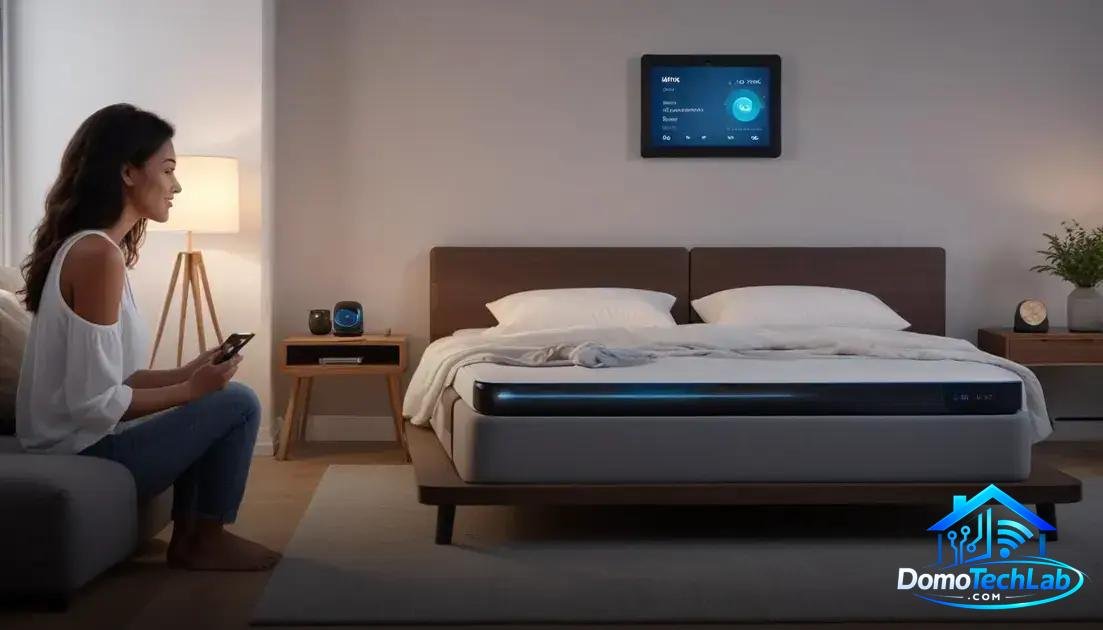
The integration of a smart bed with virtual assistants like Alexa and Google Home allows for contactless control and personalized experiences. This functionality amplifies comfort and automation in your environment, facilitating actions with simple voice commands.
Connection and Accessibility
Connecting the bed to a smart home via protocols like Wi-Fi or Zigbee enables all devices to interact effectively. For example, you can ask your assistant to adjust the bed’s position or the room temperature without moving from your spot.
Automated Adjustments
Thanks to this integration, the bed can be configured to respond to daily routines. For example, when you wake up, the bed can automatically tilt while the lights turn on, creating an ideal environment to start your day. This type of local automation results in a smoother and more satisfying experience.
Performance of Sleep Monitoring
Sleep monitoring is one of the standout features of a smart bed. Thanks to advanced sensors, these devices can track sleep patterns and identify factors that affect rest quality. Information such as sleep duration, snoring frequency, and changes in body position are collected in real time.
Data Accuracy
Monitoring systems use technologies like Bluetooth and Zigbee to transmit data to mobile applications. Here, users can analyze their sleep patterns, allowing for adjustments in the environment to improve rest. For example, if the system detects snoring, the bed can tilt slightly to help open the airways.
Impact on Health
Several studies have shown that good sleep quality is linked to overall health. Smart beds enable users to be proactive in identifying sleep issues and optimizing their rest. This analytical capability provides a significant advantage to consumers looking to improve their daily well-being.
Adjustments to Enhance Rest
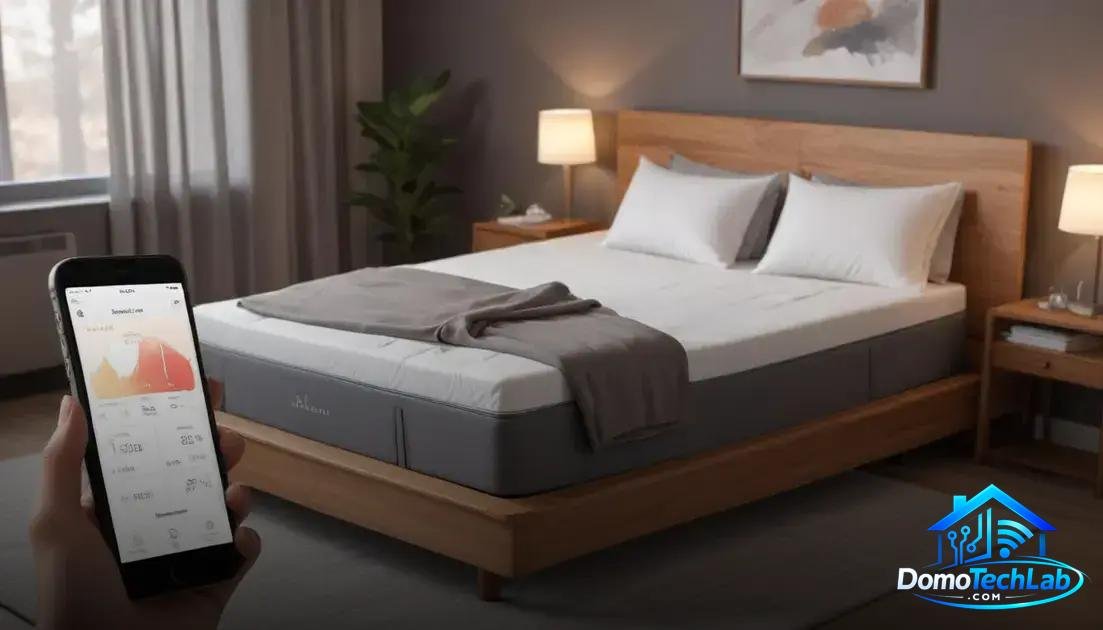
The adjustments offered by smart beds are crucial for maximizing rest. These devices allow for customizable firmness and tilt, adapting to each user’s specific preferences. Thanks to technologies like Zigbee, changes can be made quickly and precisely from a remote control or mobile application.
Firmness Personalization
The ability to adjust the firmness of the bed is crucial for those seeking to relieve pressure points while sleeping. By selecting the ideal setting, users can reduce the risk of aches and improve sleep quality. This adjustment is made through air pumps integrated into the mattress that respond to user preferences.
Temperature Control
Another important feature is temperature control. Smart beds can heat or cool the mattress area, creating an optimal sleeping environment. Utilizing climatization technology, it’s possible to regulate temperature, helping to prevent overheating or discomfort during the night.
Conclusion: Discover the Potential of Your Smart Bed Today
The technology behind smart beds not only transforms the sleep experience but also offers a path to efficient local automation. At DomoTechLab, we are committed to providing you with the tools and knowledge necessary to maximize the benefits of your devices, optimizing your rest and well-being.
We encourage you to continue exploring the possibilities of automation in your home and adopt solutions that truly enhance your quality of life.
Frequently Asked Questions about Smart Beds
What protocols are compatible with smart beds?
Smart beds are typically compatible with protocols such as Zigbee, Wi-Fi, and Bluetooth. It’s important to check compatibility with your existing device ecosystem at home.
Can I integrate my smart bed with voice assistants?
Yes, most smart beds allow integration with voice assistants like Alexa and Google Assistant, making control through voice commands easy.
What challenges might I face when integrating a smart bed into my home?
Common challenges include network compatibility, the need for an appropriate gateway, and possible interference from other electronic devices. It’s vital to conduct a good device mapping before installation.
Is it possible to control the smart bed without internet?
Some beds offer local functionality that allows certain controls without an internet connection, but many advanced features, such as sleep monitoring, require connectivity to sync with the app.
How does latency affect the response of the smart bed?
Latency can impact the effectiveness of commands, especially if you depend on a congested Wi-Fi connection. Using protocols like Zigbee can reduce this latency by establishing an efficient mesh network.
Are smart beds compatible with existing home automation systems?
In most cases, yes. However, it’s essential to check the compatibility of your existing home automation systems and, if necessary, upgrade your gateway or hub to ensure smooth integration.