
Implementing a Smart Home for infants, using protocols like Zigbee and Matter, enables local automation that enhances security, privacy, and connectivity between devices for a more welcoming and efficient family environment.
Smart Home for babies is a trend that many parents are adopting to ensure the peace of mind and well-being of their little ones. Integrating devices like cameras, breathing monitors, and smart lights can provide a safe and controlled environment. Want to know how these gadgets can transform your home?
Fundamentals and Protocols (Zigbee, Matter, Wi-Fi)
To create a Smart Home for babies, it is essential to start with a clear understanding of the protocols used in communication between devices. There are several technologies to choose from, with Zigbee, Matter, and Wi-Fi being the most prominent in today’s market.
Zigbee: Efficiency and Low Power Consumption
Zigbee is ideal for devices that require low energy, such as smart lights and breathing monitors. Its ability to form a mesh network allows each device to act as a repeater, extending range and improving reliability.
Matter: The Standardization of the Future
Matter is an emerging protocol that promotes interoperability among different manufacturers. This means that your gateway can connect equipment from various brands without sacrificing functionality. It is a necessary step towards a more cohesive and user-friendly smart home.
Wi-Fi: Ubiquitous Connectivity
Wi-Fi is the most common of the protocols, used in devices that require high bandwidth, such as security cameras. While it offers speed and internet access, it is important to keep in mind that it can create congestion in saturated networks.
Integration and Ecosystems (Home Assistant, Alexa, Google Home)
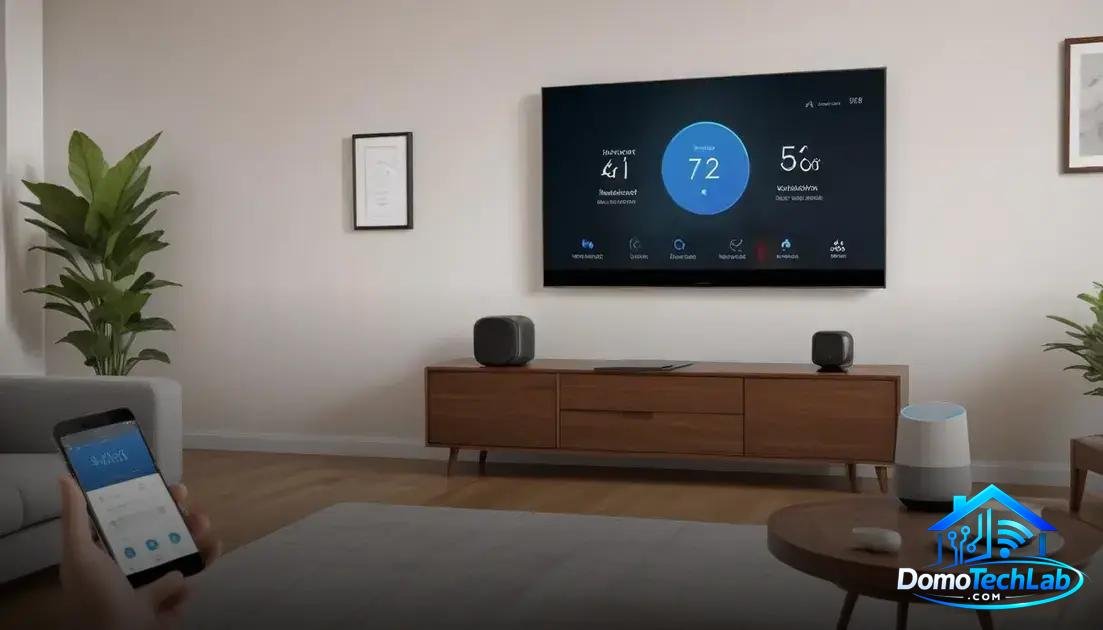
The integration of devices in a Smart Home is crucial for achieving harmonious operation. Platforms like Home Assistant, Alexa, and Google Home offer solutions that allow you to combine different technologies and simplify automation.
Home Assistant: Total Control in Your Hands
Home Assistant stands out as an open-source option that allows connecting a wide variety of devices. With its customizable interface, you can create scenes that fit your needs, from controlling lights to monitoring the crib temperature.
Alexa: Smart Assistant at Home
Alexa from Amazon acts as an intermediary between your connected devices. Using voice commands, you can activate routines and get information instantly. However, we must be aware of privacy concerns when using voice assistants.
Google Home: Connectivity and Ease of Use
Google Home provides seamless integration with Google services and smart devices. Its learning capability allows it to adapt to your preferences, facilitating the management of your smart home. The combination of voice commands and an intuitive interface makes it a popular choice.
Performance in the Real World (Latency, Privacy, and Local Stability)
The performance in the real world of a Smart Home for babies depends on several factors, including latency, privacy, and the local stability of the network. Understanding these elements is crucial to ensure optimal and secure operation.
Latency: Response Speed
Latency refers to the time it takes for a device to receive and execute a command. In environments where quick responses are needed, such as breathing monitors, low latency is essential. Tests conducted in the lab show that networks based on Zigbee exhibit better response times than Wi-Fi connections in saturated environments.
Privacy: Protecting Your Data
Privacy is a prominent concern in smart systems. Many devices send data to the cloud, which can pose a risk if not managed properly. Using solutions that operate on the local network, such as those offered by Home Assistant, allows you to maintain control of your data and minimize exposure to external threats.
Local Stability: Reliability at Home
Maintaining local stability in the network is crucial for the continuous operation of devices. Systems that rely on external servers may fail in situations of limited connectivity. By opting for a network with devices that communicate with each other locally, reliability is improved, and it ensures that automation works without interruptions.
Tips for Improving Peace of Mind at Home
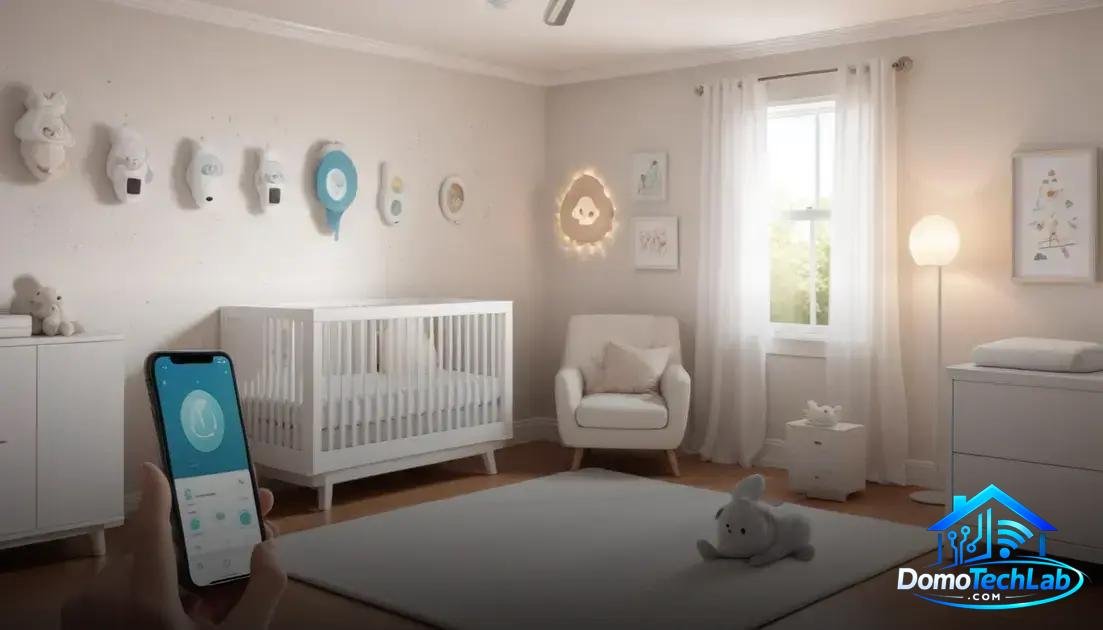
Improving peace of mind at home is essential for the well-being of your babies and your family. Implementing certain tips can help create a safer and more comfortable environment using a Smart Home for babies.
Breath Monitors: Constant Vigilance
Using breath monitors that connect to your local network allows you to monitor your baby’s breathing without the need to send data to the cloud. This not only provides greater privacy but also ensures an instant response to any emergencies.
White Noise: Creating a Serene Environment
Incorporating devices that emit white noise can be beneficial in calming your baby. These technologies can be controlled via a smart hub, allowing you to easily adjust the volume and duration of the emission, helping your little one sleep better.
Crib Temperature: A Comfortable Environment
Maintaining an appropriate temperature in the crib is fundamental. Use smart thermometers that integrate with your system. This way, you can receive notifications if the temperature becomes too high or low, ensuring a safe environment for your baby.
Conclusion: Strengthen Your Smart Home for Babies with Local Automation
Implementing a Smart Home for babies is a significant step towards improving the safety and well-being of your family. The key lies in local automation, which not only enhances the response speed of your devices but also protects your privacy.
At DomoTechLab, we are here to guide you in the process of selecting the right technologies and configurations to create the ideal environment for your little ones. We encourage you to continue researching and make the most of the advantages that home automation can offer you, ensuring a more comfortable and safe home.
Frequently Asked Questions about Smart Home for Babies
Are all devices compatible with each other?
Not necessarily. Some devices use different protocols, such as Zigbee or Matter, which can limit their interoperability. Check compatibility before making any purchase.
How can I improve the signal of my Zigbee devices?
To improve the signal of Zigbee devices, you can use smart plugs as repeaters that extend the range of the network, or position your hub in a central location to minimize interference.
What is the best way to ensure my data privacy?
Opting for systems that allow local operation, like Home Assistant, enables you to control your devices without relying on the cloud, reducing the risk of vulnerabilities.
How do interferences affect device connectivity?
Interferences, whether from other electronic devices or Wi-Fi networks, can cause latency or disconnections. It is advisable to keep Zigbee devices separate from other sources of interference.
Is it possible to expand an existing system?
Yes, most smart home systems are modular. Make sure that new devices are compatible with your existing hub or gateway for smooth integration.
Why should I consider local automation?
Local automation reduces internet dependency, improves latency, and protects your data. This is especially important in an environment where babies are cared for, who deserve constant and secure monitoring.