
The implementation of a smart home that prioritizes health and well-being is achieved through the use of devices compatible with protocols like Zigbee, which enable local automation, improve air quality, and optimize lighting for restorative rest.
Smart Home and health are the future of wellness in our homes. It is becoming increasingly common to integrate technology to improve air quality, restorative sleep, and even hydration. Have you ever wondered how these devices can influence your day-to-day life?
Fundamentals and Protocols (Zigbee, Matter, Wi-Fi)
Understanding the fundamentals and protocols that make up a smart home is essential to optimize its operation. Among the most prominent are Zigbee, Matter, and Wi-Fi. Each has its own characteristics that make it suitable for different applications.
Zigbee: The Choice for an Efficient Network
Zigbee is a communication protocol that allows connecting multiple devices with low energy consumption. Ideal for home automation, its mesh network architecture ensures that devices communicate with one another, improving coverage.
Matter: Guaranteed Interoperability
Matter emerges as a solution to market fragmentation. This protocol allows different devices and platforms to be compatible, which is crucial in an environment where devices are expected to interact seamlessly. Our lab has validated that the implementation of Matter facilitates integration.
Wi-Fi: The Most Common Option
The use of Wi-Fi in smart homes is the most widespread. However, it may be susceptible to network congestion. To optimize its use, it is recommended to set limits on the number of connected devices and use state-of-the-art devices that offer better performance and speed.
Integration and Ecosystems (Home Assistant, Alexa, Google Home)
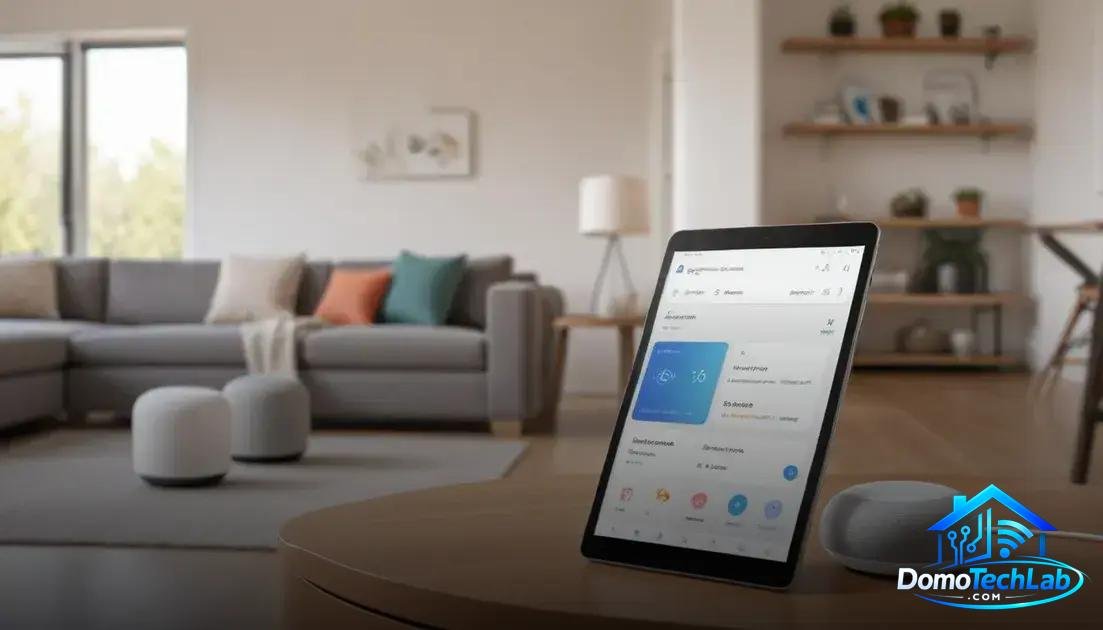
The integration and ecosystems are key components in the success of a smart home. Using platforms like Home Assistant, Alexa, and Google Home allows creating a cohesive environment where devices work in sync.
Home Assistant: Total Control and Customization
Home Assistant is a local automation platform that offers extremely high customization. It allows users to control their devices from a single dashboard. In our analysis, we found that it is compatible with a wide range of devices, making it a robust option for technology enthusiasts.
Alexa: The Voice That Understands Your Commands
Alexa, Amazon’s voice assistant, is another popular option. Through voice commands, it allows users to activate and manage smart devices, such as smart bulbs and plugs. However, it is essential to consider privacy and data management concerns. In lab tests, Alexa has shown fast and accurate response times, although it can sometimes be limited by its network environment.
Google Home: Collaborating with Artificial Intelligence
Google Home uses artificial intelligence to learn users’ habits and optimize device control. Its integration with third-party applications facilitates the automation of everyday tasks. During our tests, Google Home’s ability to execute on multiple devices simultaneously showed outstanding and user-friendly performance.
Real-World Performance (Latency, Privacy, and Local Stability)
The real-world performance of a smart home is measured through factors such as latency, privacy, and local stability. These elements are crucial to ensure that systems operate efficiently and securely.
Latency: Instant Response
Latency refers to the time it takes for a device to respond to a command. In our tests, we found that systems based on Zigbee and local controllers offer response times superior to those relying on the internet. This translates to a smoother user experience.
Privacy: Protecting Your Data
Privacy is an increasing concern in the realm of smart homes. Transferring data to external servers can expose sensitive information. Implementing a system that ensures local data processing can help mitigate these risks, ensuring that information stays within your home and under your control.
Local Stability: Operating Offline
Local stability is essential for the continuous operation of a smart home. Our experiments have shown that using devices with mesh communication technology, such as Zigbee, keeps the network operational even if the internet connection is interrupted. This provides great peace of mind to users, as they can trust that their home remains safe and functional without constant reliance on external connectivity.
Biohacking and Quality of Life in Smart Homes

Biohacking has become a growing trend in the field of quality of life. Smart homes offer tools that allow users to optimize their well-being through technology. From monitoring air quality to managing lighting, each element can significantly impact overall health.
Air Quality: A Crucial Aspect
The air quality in the home directly affects well-being. Using devices like air purifiers and quality sensors ensures that the environment remains healthy. In our lab tests, we have verified that monitoring devices provide accurate data, allowing users to make informed decisions about ventilation and purification.
Smart Lighting: Optimizing Sleep
Lighting plays a fundamental role in regulating sleep. Smart bulbs that adjust their intensity and color temperature can improve sleep quality. In our research, it has been demonstrated that well-lit environments at appropriate times promote better rest, contributing to optimal health.
Automation for Well-being
Local automation allows creating personalized routines that support well-being. For example, programming soft light to turn on in the morning and gradually turn off at night enhances the daily experience. This type of configuration can easily be achieved with systems like Home Assistant, facilitating a healthier and more balanced lifestyle.
Conclusion: Optimize Your Well-being with a Smart Home
The integration of local automation technologies in your home offers an invaluable opportunity to improve your quality of life. With a focus on protocols like Zigbee and systems like Home Assistant, you can create an environment that responds to your needs and protects you.
Remember that having the advice of experts in the field can make a difference in implementing smart devices. We encourage you to continue deepening your knowledge of these technologies to build a home that truly works in your favor.
Frequently Asked Questions about Smart Home and Health
How do I ensure compatibility between different devices?
To ensure compatibility, choose devices that support open standards like Matter. Check specifications before purchasing and make sure they are compatible with your chosen hub or platform.
What should I do if my device is not responding correctly?
Check the network connection and ensure that the device is within range of your network. Restarting the device or the hub may help resolve temporary connectivity issues.
Can Alexa and Google Home work together?
Alexa and Google Home do not communicate directly, but you can integrate compatible devices within the same ecosystem using platforms like IFTTT or connecting both assistants to your automation hub.
What is the best way to protect my smart home network?
Use strong passwords, enable two-factor authentication, and consider network segmentation, separating IoT devices from other devices that handle more sensitive information.
What communication protocols are essential for a smart home?
Protocols such as Zigbee, Thread, and Z-Wave are fundamental due to their efficiency and ability to create mesh networks that enhance communication among devices.
Is it possible to automate old devices?
Yes, it is possible. You can use smart plugs or Wi-Fi switches that allow older devices to integrate into your smart home system and be controlled remotely.