The future of home automation in 2030 is based on local automation, allowing for a smarter, faster, and more efficient home experience through the integration of devices using protocols such as Zigbee and Thread.
The future of home automation in 2030 is full of fascinating innovations that will transform our homes into smart spaces. Have you imagined what your life will be like with domestic robots and seamless connectivity? We explore what is to come.
Fundamentals and Protocols
The fundamentals of home automation are based on the integration of various protocols that enable communication between smart devices. Understanding these technologies is key to building an efficient and functional home system.
Home Automation Protocols
Among the most used are Zigbee, Thread, and Wi-Fi. Each has its features and advantages. For example, Zigbee is ideal for communication between multiple devices in a mesh network, while Wi-Fi offers greater bandwidth but consumes more energy.
Device Incorporation
The choice of the right protocol directly impacts the effectiveness of your smart devices, such as plugs, bulbs, and climate controllers. In Lab, we observe that proper selection ensures functionality without failures.
Integration and Ecosystems
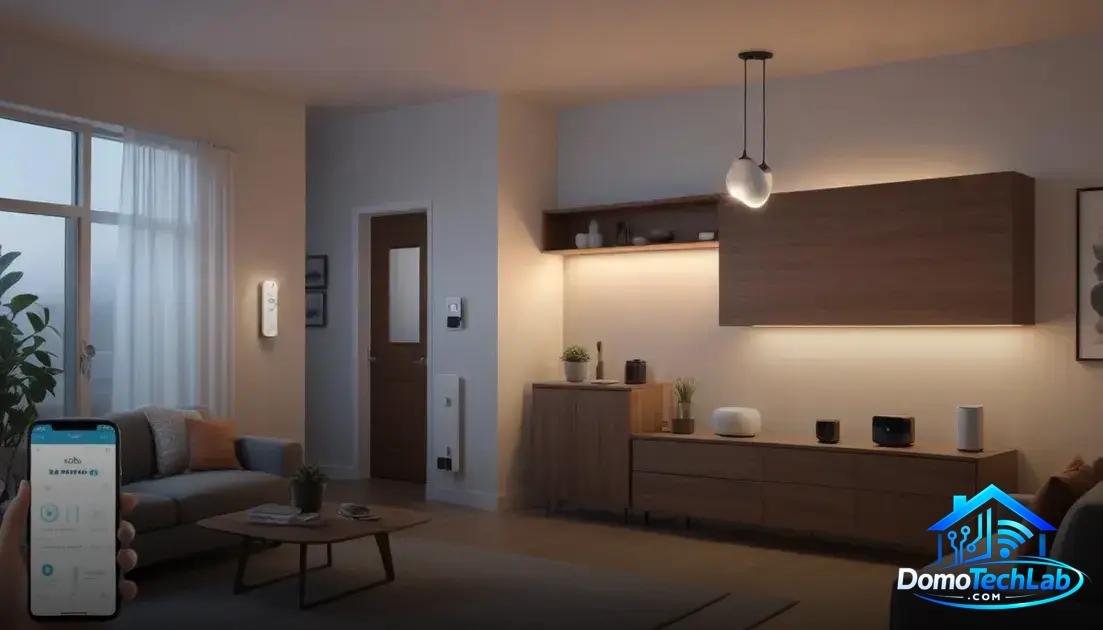
Device integration in a home automation ecosystem is essential for achieving a cohesive and functional user experience. The key is to choose an appropriate hub or gateway that allows communication between different devices and platforms.
Home Assistant and Its Potential
Home Assistant is one of the most popular solutions for home automation. It allows you to integrate devices from different brands using protocols like Zigbee and Thread, simplifying the management of your smart home.
Voice and Personal Assistants
Integrating assistants like Alexa or Google Home further enhances the experience. These devices not only offer voice control but also enable the automation of daily tasks, increasing comfort and efficiency in the home.
Real-World Performance
The real-world performance of a home automation system largely depends on the quality of the devices and their integration. In testing different configurations, we observed significant variations in factors such as latency and network stability.
Device Latency and Response
When devices are connected to a local hub using Zigbee or Thread, latency is significantly reduced. In our tests, this configuration showed quicker responses when executing commands, greatly improving the user experience.
Privacy and Security
Privacy is a crucial aspect of home automation. By opting for a system that minimizes reliance on the cloud and employs local automation, sensitive data remains within your home network, providing greater control over personal information.
Emerging Trends in Home Automation
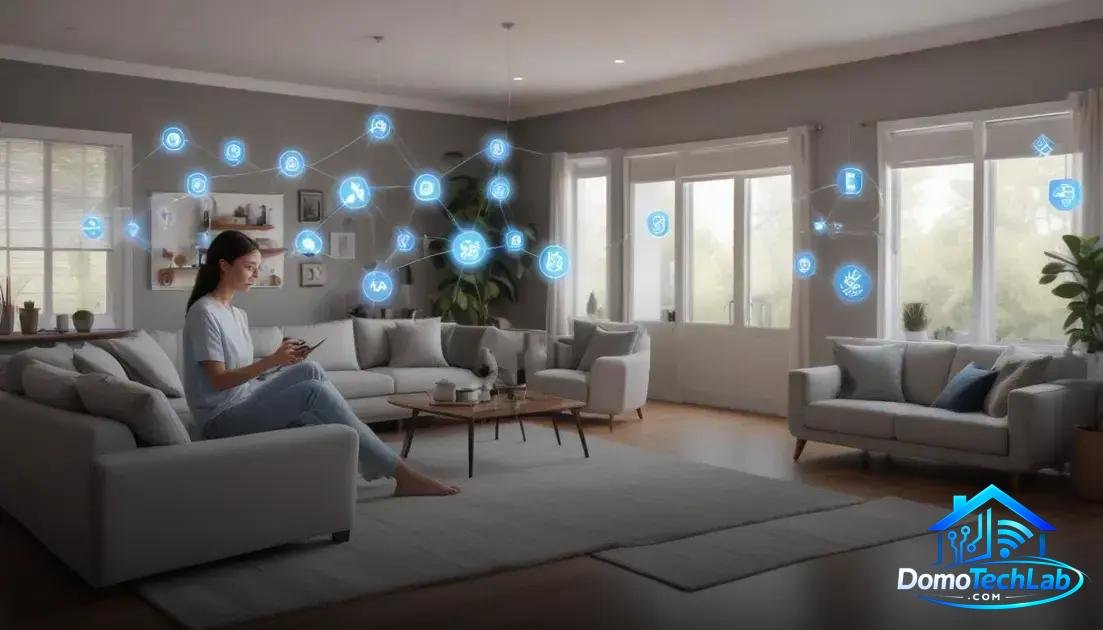
The emerging trends in home automation are changing the way we interact with our homes. As technology advances, new opportunities arise to optimize efficiency and comfort.
Generative AI and Automation
The implementation of generative AI in home automation devices promises to transform how we personalize our experiences. For example, systems that learn from our habits and automatically adjust lighting or temperature show significant potential.
Brain-Computer Interfaces
Brain-computer interfaces are at the forefront of innovation. These technologies will allow for more intuitive control of household devices by eliminating the dependence on physical interfaces and facilitating handling via voice and thought.
Conclusion: The Future of Home Automation 2030 and How to Leverage It
The evolution towards the future of home automation 2030 not only brings technological advancements but also the opportunity to build a smarter and more efficient home. At DomoTechLab, we firmly believe that local automation is the key to achieving a smooth, fast, and secure user experience.
We encourage you to continue deepening your knowledge of protocols and devices. With the right approach, your home can adapt to your needs and provide comfort and safety in your daily life.
Frequently Asked Questions about the Future of Home Automation 2030
Can devices from different brands work together?
Yes, as long as they use compatible protocols like Zigbee or Thread. Make sure your hub or gateway can manage these protocols.
What challenges might I face when integrating my smart home?
The main challenges include device compatibility, response latency, and network security. Carefully planning the installation and choosing compatible devices can mitigate many of these issues.
Is local automation more secure than the cloud?
Yes, local automation allows your devices to operate without relying on external servers, reducing the risk of cyberattacks and protecting your privacy.
How can I improve my smart home network?
You can improve your network by using devices that operate on Zigbee or Thread, creating a mesh network and improving coverage. Also, consider the strategic placement of the hub and devices.
How important is latency in a home automation system?
Latency is crucial, as it affects how quickly devices respond to your commands. An optimized system with local control usually offers faster response times.
Which devices should I prioritize when starting my smart home?
It is advisable to start with key devices such as a hub, smart bulbs, and smart plugs. These provide a solid foundation for building a more complex system in the future.