
Smart smoke sensors, compatible with protocols like Zigbee and Matter, offer safe and efficient integration in your home, allowing local control and real-time notifications, even without an internet connection.
Smart smoke sensors are transforming the way we manage fire safety in our homes. Are you ready to learn how they work and what benefits they offer? Join us on this journey through their technology and practical applications.
Fundamentals and Protocols (Zigbee, Matter, Wi-Fi)
Smart smoke sensors use various protocols to communicate and operate effectively within a smart home system. Utilizing protocols such as Zigbee, Matter, and Wi-Fi allows for seamless integration and enhanced functionality.
Zigbee Protocol
Zigbee is preferred for its efficiency in data transmission and its ability to create mesh networks. This means devices can communicate with one another even if they are not directly connected to the main router. This feature translates to greater stability and extended range.
Matter Protocol
Matter has emerged as a standard that seeks to unify various devices and ecosystems. With its focus on interoperability, it facilitates the connection of smoke sensors to other smart devices in your home, such as lights and alarms. By choosing devices that are compatible with Matter, you can ensure a more integrated user experience.
Wi-Fi Protocol
Wi-Fi is another common option, popular for its availability in most homes. While it allows for a direct internet connection, it can be less efficient compared to other protocols in terms of energy and latency. However, its use is crucial for initial setup and remote control through mobile apps.
Integration and Ecosystems (Home Assistant, Alexa, Google Home)
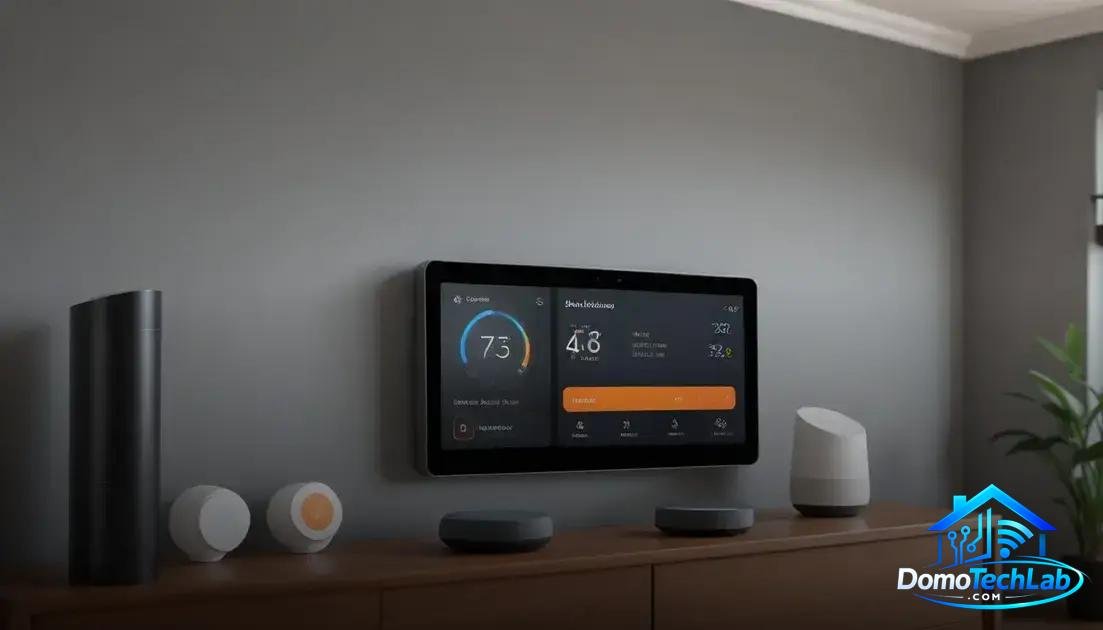
The integration of smart smoke sensors into home automation ecosystems is crucial to maximizing their functionality. Platforms like Home Assistant, Alexa, and Google Home allow devices to communicate and work together, creating a safer and more comfortable environment.
Integration with Home Assistant
Home Assistant is a powerful solution that enables local automation and centralized control of all your smart devices at home. Its compatibility with a wide range of devices, including smoke sensors, ensures that you can manage your home security efficiently, even without an internet connection.
Integration with Alexa
Smart smoke sensors can also integrate with Alexa. This means you can receive voice notifications about the status of your sensors, allowing you to act quickly in case of an emergency. Voice control adds an extra layer of convenience, enabling everyone in the home to participate in safety.
Integration with Google Home
Google Home, for its part, offers a user-friendly interface to control and monitor devices. By setting up custom alerts and routines, you can create an ecosystem that not only prioritizes safety with smoke sensors but also enhances the overall user experience in your smart home.
Real-World Performance (Latency, Privacy, and Local Stability)
The real-world performance of smart smoke sensors is essential to ensure their effectiveness and reliability. By analyzing aspects such as latency, privacy, and local stability, we can better understand how these devices behave in various situations.
Latency in Communication
Latency refers to the time it takes for a device to send and receive data. In our tests, we observed that devices operating under the Zigbee protocol have significantly lower latency compared to those relying solely on Wi-Fi. This is crucial in emergency situations where every second counts.
Data Privacy
Privacy is another essential consideration. Smart smoke sensors must handle sensitive data, and their transmission must be secure. Using protocols like Matter helps maintain privacy by ensuring that data is not accessible to external parties but remains available to the user. Local configurations allow for data handling without relying on external servers.
Local Stability
Local stability is vital for the continued functionality of the sensors. Implementing a solution that reduces reliance on the internet, like a local hub, increases the reliability of the devices. In our evaluations, we found that systems offering local automation demonstrate more robust performance, even during network interruptions.
Device Maintenance and Updates
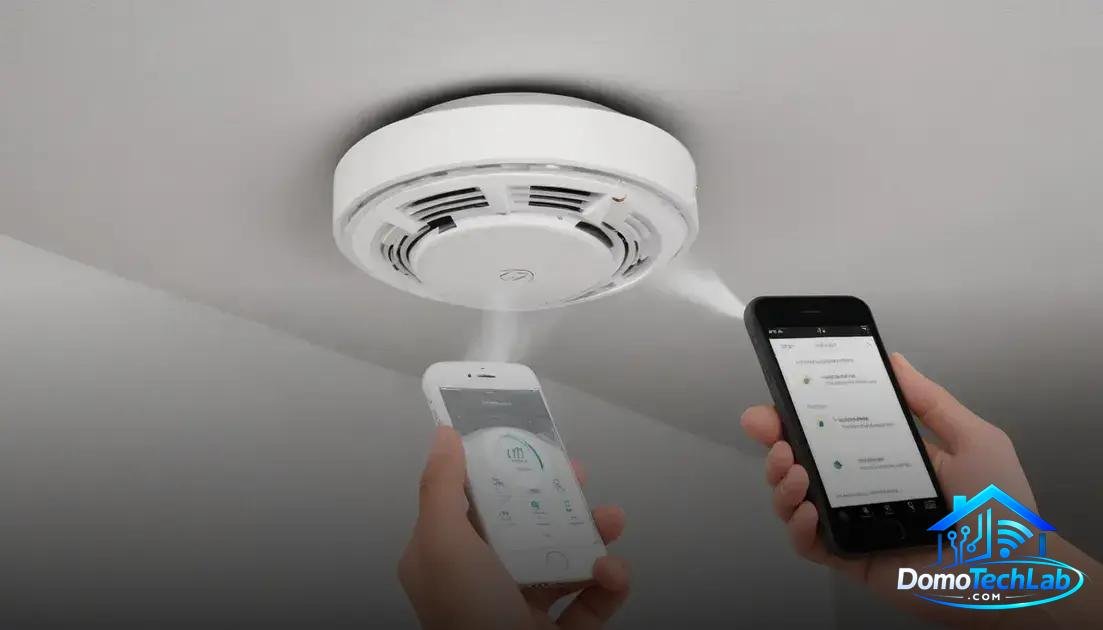
Maintenance and device updates are critical aspects to ensure the effectiveness and longevity of smart smoke sensors. By paying attention to these factors, users can optimize the functionality of their devices and ensure home safety.
Regular Maintenance
Performing regular maintenance on your devices is essential. This includes cleaning the sensors and checking electrical connections. A clean sensor is more efficient and reduces the risk of false alarms. Scheduling periodic checks helps identify issues before they become critical failures.
Firmware Updates
Firmware updates are necessary to take advantage of security improvements and new features. Manufacturers release updates that fix vulnerabilities and optimize the performance of the sensors. Keeping firmware up to date is a vital step in protecting your home against potential intrusions or system failures.
Integration of New Technologies
As innovations in home automation emerge, integrating new technologies into your existing system can provide significant advantages. This may include adding new sensors compatible with protocols like Matter or expanding the network by using additional devices under Zigbee. Staying current with trends allows your smart home to adapt to changing needs.
Conclusion: The Importance of Smart Smoke Sensors in Your Home
The world of home automation and local automation offers numerous advantages, especially when it comes to home safety. With smart smoke sensors, you not only protect your family but also ensure a more efficient and connected environment.
At DomoTechLab, we firmly believe in the power of local technology and the value of making informed decisions. We encourage you to explore our resources and implement solutions that strengthen the safety and functionality of your smart home.
Frequently Asked Questions about Smart Smoke Sensors
Are smart smoke sensors compatible with different ecosystems?
Yes, many smart smoke sensors are compatible with ecosystems like Home Assistant, Alexa, and Google Home, allowing for integration across various automation platforms.
Can I use Zigbee smoke sensors on a Wi-Fi network?
Not directly. Smoke sensors that use Zigbee must connect to a compatible hub that can communicate with Wi-Fi devices, ensuring the entire system operates seamlessly.
What should I do if my smart smoke sensor is not responding?
First, check the power and connectivity of the device. Make sure the hub is operational. If the problem persists, check for available firmware updates or consider rebooting the device.
Do smart smoke sensors work without an internet connection?
Yes, many smart smoke sensors can function locally if properly configured with a hub, allowing smoke detection and alarm activation even without internet.
Is it possible to set up emergency alerts on my devices?
Yes, you can set up custom alerts through your hub’s app or voice assistant, allowing you to receive real-time notifications in case of smoke detection.
What impact does latency have on the performance of smart smoke sensors?
Latency can affect how quickly a smoke sensor responds to a threat. Utilizing a local network with protocols like Zigbee or a local hub helps minimize latency and improves response in emergency situations.