
The integration of devices in a compatible smart home, using protocols like Zigbee and Thread, enhances the autonomy and quality of life of people with disabilities by enabling local control and efficient automation.
Smart Home and disability are intertwined concepts, offering new ways to improve the quality of life for individuals. Can you imagine a home that responds to your mobility and comfort needs, facilitating daily routines? Today, we explore how technology can be an ally in inclusion.
Fundamentals and Protocols
The fundamentals of a smart home are based on selecting the right protocols to ensure functionality and interoperability. Among the most popular are Zigbee, Thread, and Wi-Fi. Each offers unique benefits, adapting to different user needs and creating an efficient ecosystem.
Zigbee: An Ally in Automation
Zigbee is known for its low power consumption and ability to connect multiple devices in a single network. In our analyses, this protocol proved ideal for those seeking a robust system that does not constantly rely on electrical power, allowing the use of low-power sensors and devices.
Thread: The New Generation of Connectivity
Thread is an emerging protocol that offers security and resilience. Through its mesh architecture, it allows devices to communicate with each other directly, improving both speed and stability of the system. This technology is perfect for homes looking for an automated environment without interruptions.
Wi-Fi: Universal Connectivity
Meanwhile, Wi-Fi remains the most common option. Its advantage lies in the wide availability of compatible devices. However, it may present limitations in terms of latency and the ability to handle multiple simultaneous connections, especially in high-demand environments.
Integration and Ecosystems
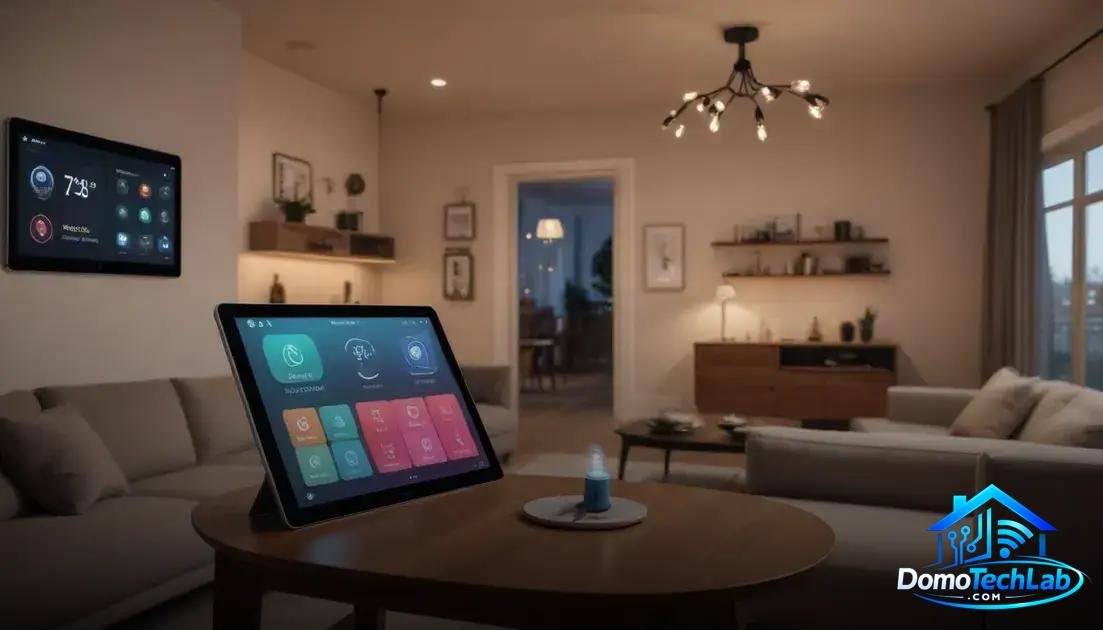
The integration of devices in a smart home ecosystem is crucial for creating a functional and efficient environment. By using tools like Home Assistant, Alexa, or Google Home, users can unify control of different devices, optimizing the connected home experience.
Home Assistant: The Versatile Platform
Home Assistant stands out for its ability to be a local control hub. It allows the integration of devices from different manufacturers, creating a personalized and secure ecosystem. During our tests, we found that the flexibility of this platform enables the configuration to be tailored to the specific needs of each home.
Alexa and Google Home: Voice Assistants
Automation solutions like Alexa and Google Home facilitate voice control of devices. This is especially useful for users with disabilities, providing access to functions that might otherwise be difficult to manage. The incorporation of voice commands simplifies the use of complex systems and enhances autonomy at home.
Interoperability: The Key to Success
The ability of different devices to communicate with each other is fundamental. Protocols like Zigbee and Thread maximize this interoperability, allowing for the inclusion of fall sensors and other assistive devices. In our tests, we observed that a well-integrated home offers a smoother and more reliable experience.
Real-World Performance
The performance of a smart home in the real world can vary significantly based on configuration, chosen protocols, and execution of automations. In our tests, we noted that factors such as latency, privacy, and local stability play a crucial role in user satisfaction.
Latency and Response Speed
One of the most important aspects is latency, which refers to the time it takes for a device to respond to a command. Devices connected via Zigbee and Thread showed faster response times compared to those relying solely on Wi-Fi. This significantly enhances the user experience, especially in critical situations.
Data Privacy
Protecting user information is essential. During our tests, we found that local control solutions like Home Assistant allow data to remain within the home, minimizing the risk of vulnerabilities. This is especially important for individuals using voice assistance devices, where security and privacy are paramount.
Stability in the Home Environment
Connection stability is another aspect that is constantly evaluated. A system that combines multiple protocols and well-integrated devices ensures continuous operation. The impact of a stable environment on daily life should not be underestimated, especially for those who require autonomy in their homes.
Conclusion: Discover the Power of Local Automation in Your Smart Home
Diving into the world of home automation may seem challenging, but establishing a system based on local control is crucial for maximizing the effectiveness and security of your environment. At DomoTechLab, we are committed to providing you with the knowledge and tools necessary for your smart home to truly serve your needs.
We encourage you to continue exploring and taking advantage of our technical resources to make informed decisions. Today’s technology can offer innovative solutions that enhance your quality of life and provide the autonomy you deserve.
Frequently Asked Questions about Smart Home and Disability
Are all smart home devices compatible with each other?
Not all devices are compatible. It is crucial to choose devices that work with the same protocols, such as Zigbee or Thread, to ensure effective integration.
How can I ensure my smart home protects my privacy?
Using local controllers like Home Assistant limits reliance on external servers, thereby improving privacy. Ensure that all devices follow good security practices.
What challenges might I face when integrating devices for people with disabilities?
It is essential to verify accessibility in interfaces and compatibility with voice-assistive devices. Not all devices support voice commands, which may limit their effectiveness.
How do I manage latency in my smart home system?
Implementing devices that use low-latency protocols like Zigbee and maintaining local control can help minimize latency and improve system response.
Can I incorporate old devices into a new smart home system?
It will depend on the protocol they use. Some devices may require a specific hub to function properly in a more modern smart home environment.
What should I do if I’m having connectivity issues with my devices?
First, check if all devices are on the same network and using the same protocol. Sometimes, simply reconfiguring the hub or Wi-Fi network can resolve connectivity issues.