
Zigbee smart buttons are essential for effective local automation, providing efficient control of devices through a robust and stable network, ideal for integration into a modern smart home.
Zigbee smart buttons offer an intuitive way to control devices in your automated home. Imagine being able to turn on all your lights from a single button, making your daily routine easier. Would you like to know how to make the most out of this versatility?
Fundamentals and Protocols
The fundamentals of home automation systems begin with understanding protocols like Zigbee. This protocol stands out for its efficiency in communication between devices, allowing various appliances to be integrated into a single ecosystem. The use of Zigbee optimizes energy distribution and reduces the need for adapters, facilitating the expansion of smart systems.
What is the Zigbee Protocol?
Zigbee is a communication protocol specifically designed for home automation applications. Its low power consumption makes it ideal for devices like bulbs, smart plugs, and switches. Thanks to its mesh topology, Zigbee devices can communicate with each other, creating a more robust and reliable network than conventional systems.
Comparison with Other Protocols
Compared to protocols like Wi-Fi or Bluetooth, Zigbee presents advantages in terms of energy consumption and range. This technology allows numerous devices to connect without overloading the network, which is essential in a smart home with multiple appliances. Its ability to operate in saturated environments makes it a preferred choice among automation experts.
Integration and Ecosystems
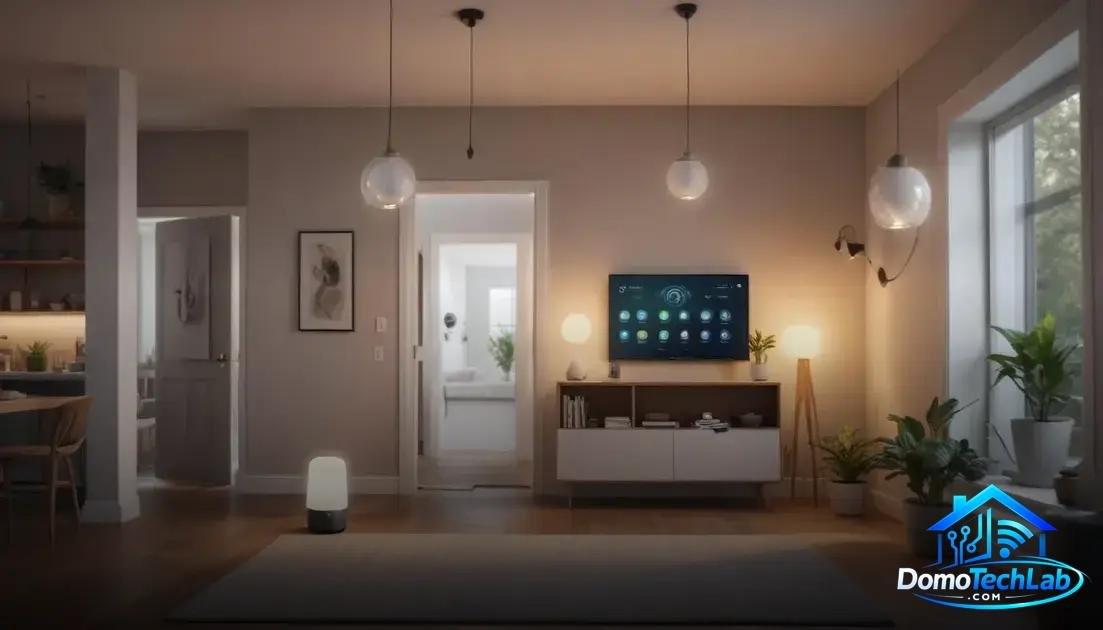
The integration of devices in a smart home ecosystem is crucial for achieving effective automation. By using a hub compatible with Zigbee, you can connect various brands and types of devices, creating a perfectly synchronized environment. This ability to integrate different systems is known as interoperability.
Gateways and Their Function
Gateways act as the brain of your smart home, allowing devices to communicate with each other, regardless of the protocol they use. For example, a Zigbee hub can connect bulbs from various brands and also work with devices that use Wi-Fi or Bluetooth. This simplifies management and enhances the user experience.
Integration with Voice Assistants
Voice assistants like Alexa and Google Home are powerful tools that add another layer of control to your smart home. You can give voice commands to turn devices on or off that are connected via Zigbee, facilitating automation without the need for physical interfaces. This level of integration increases accessibility and convenience.
Performance in the Real World
The performance of Zigbee devices in real-world environments is a determining factor in their adoption. During our lab tests, we observed that connection stability and response speed exceeded expectations, especially in homes with multiple active devices. Zigbee technology is designed to operate efficiently, even in networks with a high density of devices.
Latency and Response
A critical aspect of home automation is latency. When using Zigbee-based systems, we found that commands are executed almost immediately, enhancing the user interaction. This is especially noticeable when controlling lights or devices through voice assistants, where every millisecond counts to provide a smooth experience.
Privacy and Security
Another benefit of using Zigbee is privacy. By performing most operations within the local network, you reduce the risk of exposing personal data to external servers. This provides an added layer of security that is particularly valuable in a world where personal information can be targeted.
Practical Use Cases
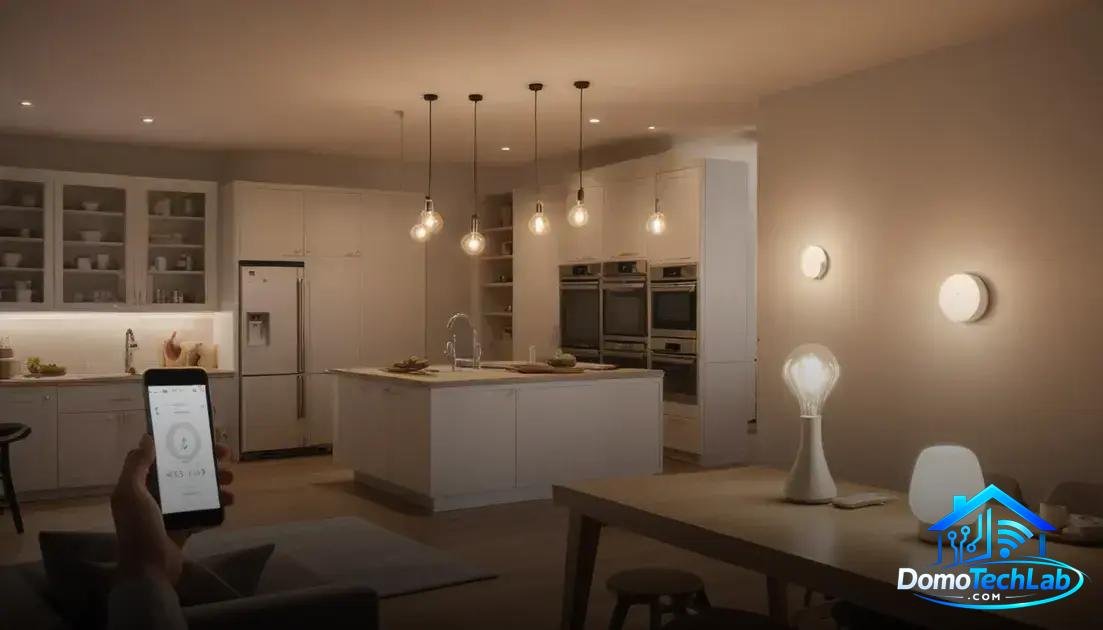
Exploring practical use cases of Zigbee technology can help you understand how to enhance your smart home. From lighting control to appliance management, the applications are vast and varied. Zigbee devices offer automation options that adapt to various daily needs.
Smart Lighting
A standout example is the use of Zigbee smart bulbs. These bulbs allow for remote control and scheduling. You can set them to turn on at sunset and automatically turn off during the night. This not only offers convenience but also helps save energy.
Appliance Automation
Zigbee smart plugs are another powerful tool. You can connect them to appliances like coffee makers or fans. This way, you can control their power on and off from your smartphone. This level of control can be very useful to simulate that someone is home while you’re on vacation.
Custom Scenarios
The option to create custom scenarios, where multiple devices activate simultaneously, is a big draw. For example, when activating the “scene” mode, you can program the lights to dim, turn on ambient lights, and start playing music. This is easily achieved with a hub that supports Zigbee.
Conclusion: Power Your Home with Zigbee Smart Buttons
Implementing local automation solutions with Zigbee technology provides you with efficient and personalized control of your home. At DomoTechLab, we understand that device integration and network stability are essential for an optimal experience.
We encourage you to continue learning about the capabilities of Zigbee and discover how you can maximize the functionality of your smart home. Every step toward automation is a step toward a more comfortable and efficient lifestyle.
Frequently Asked Questions about Zigbee Smart Buttons
Are Zigbee devices compatible between different brands?
Yes, as long as they use the same Zigbee protocol, most devices are interoperable. This allows different products to work together in the same ecosystem.
What happens if my internet connection is lost?
Zigbee devices continue to operate through the local network, meaning that the configured automations will not be affected by the loss of internet, ensuring continuous functionality.
How can I expand my Zigbee network?
You can expand your network by adding more Zigbee devices, such as plugs or lights. Each new device acts as a repeater, enhancing the range and stability of the network.
What limitations does using Zigbee have compared to other protocols?
One limitation is the maximum number of devices you can have on a Zigbee network, usually up to 50, which can be a factor to consider in large installations. However, its energy efficiency and mesh network compensate for this restriction.
Is it necessary to have a hub to control Zigbee devices?
Yes, a Zigbee hub is essential to coordinate communication between compatible devices. This hub can integrate with other automation systems like Home Assistant or Google Home.
Can I integrate Zigbee devices with other protocols like Wi-Fi?
Yes, by using a hub that supports multiple protocols, you can integrate Zigbee devices with Wi-Fi and Bluetooth devices, allowing for smoother and more functional automation in your smart home.