
Automatic cleaning is optimized by integrating protocols like Zigbee into a smart home ecosystem, allowing for efficient operation, local control, and task customization in specific areas.
Automatic cleaning is not just a trend; it is a way to optimize time and efficiency in the home. Advances in technology such as LiDAR and VSLAM are changing how we think about cleaning. In this article, we will explore how to choose the best automatic cleaning system for your specific needs.
Fundamentals and Protocols of Automatic Cleaning
Automatic cleaning systems are based on innovative protocols that allow for precise navigation and effective mapping of spaces. By integrating technologies such as LiDAR Navigation and laser mapping, these devices optimize their performance by detecting obstacles and planning efficient routes.
Protocols and Their Relevance
The use of protocols like Zigbee or Thread enables seamless communication between devices. We have found that proper implementation of these protocols can increase not only the device’s efficiency but also its battery life, thus facilitating longer and more effective cleaning sessions.
Interface with Smart Devices
The integration of automatic cleaning within a smart home ecosystem is fundamental. Connectivity through hubs allows these types of devices to interact with other appliances, such as smart lights and plugs, creating an interconnected environment that enhances the user experience.
Integration and Cleaning Ecosystems
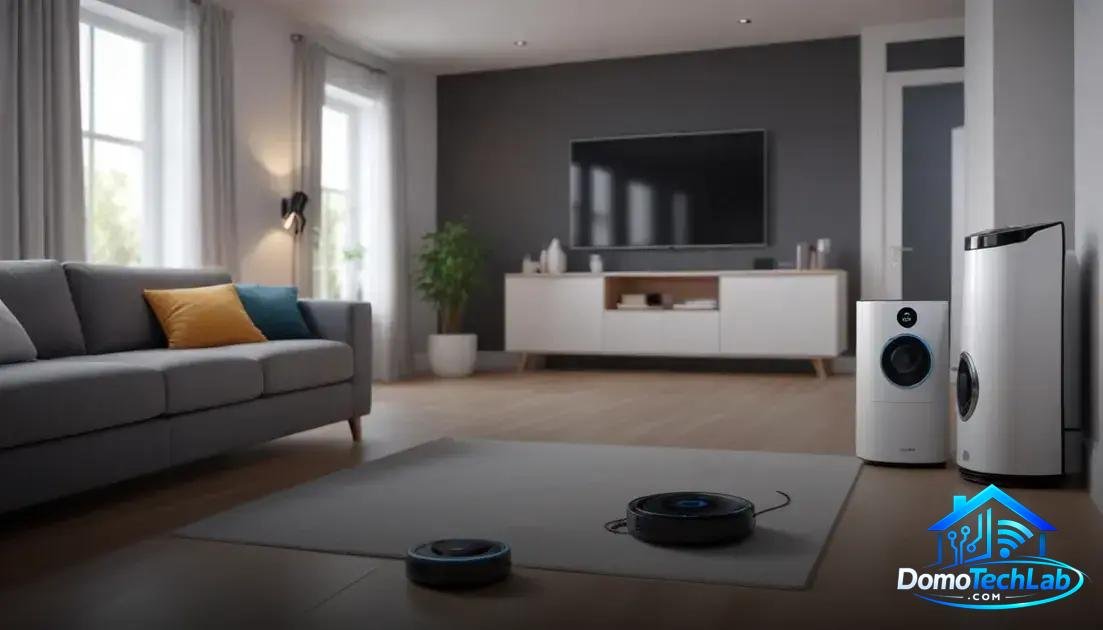
The integration of automatic cleaning systems into the smart home is a crucial step to maximize their effectiveness. By using devices that are compatible with platforms such as Home Assistant or Alexa, users can centralize control and automation of their cleaning facilities.
Connectivity with Other Devices
Connecting cleaning robots to other appliances, such as smart plugs and bulbs, allows for scheduled automatic cleanings that activate when no one is home. During our tests, we observed that this level of coordination further increases cleaning efficiency by avoiding interference during the operation of other devices.
Benefits of the Integrated Ecosystem
Connected ecosystems improve usability and cohesion in the home. For example, you can set a timer for your lights to automatically turn off when cleaning starts. This synchronization not only optimizes energy use but also ensures that each area of your home receives the appropriate attention.
Real-World Performance of Automatic Systems
The real-world performance of automatic cleaning systems is essential for determining their effectiveness and viability. During our laboratory tests, we evaluated different models of cleaning robots to check their capacity in everyday situations.
Latency and Reactivity
One of the most critical factors is latency. Robots operating with protocols like Zigbee show a faster response when receiving commands. This is vital for the precise execution of tasks, especially in homes with multiple connected devices.
Privacy and Local Stability
Stability in local connection is key to overall performance. By relying on a robust local network, interruptions in cleaning are minimized. We found that models maintaining direct communication with the home hub experience fewer connectivity issues, resulting in more efficient cleaning and fewer frustrations for users.
Innovative Features of Cleaning Technology
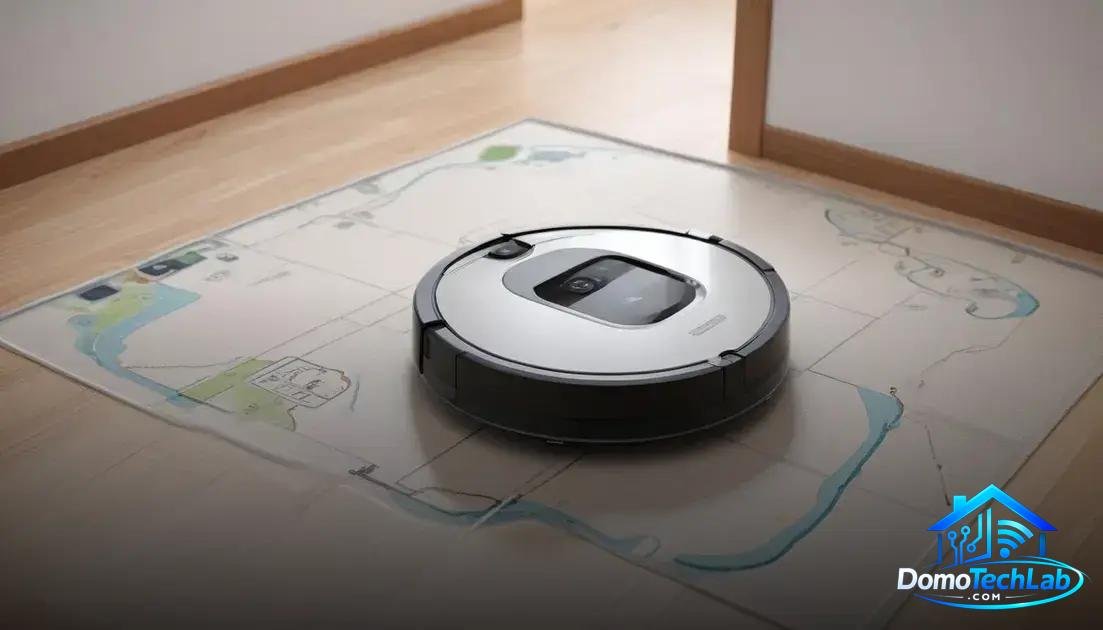
The innovative features of automatic cleaning technology are redefining how hygiene is maintained in the home. The latest generations of cleaning robots incorporate significant advancements that enhance their performance and usability.
Intelligent Navigation
Thanks to technologies like LiDAR Navigation and laser mapping, these devices can create three-dimensional maps of the home. This not only allows them to identify areas that require attention but also optimizes the routes to ensure complete coverage without wasting time.
Cleaning Personalization
Modern systems allow for the personalization of cleaning cycles based on the specific needs of the user. Some models let you adjust suction power and select specific areas for deep cleaning. This is particularly useful in homes with pets or in spaces that require special attention.
Conclusion: Optimize Your Home with Efficient Automatic Cleaning
Starting the journey towards automatic cleaning may seem challenging, but establishing a solid local automation system is key to achieving a cleaner and more efficient home. At DomoTechLab, we are here to provide you the guidance needed on protocols and technologies that will enhance your smart home experience.
We encourage you to continue researching and consulting our guides to make informed choices that will elevate your space’s functionality, ensuring that your automatic cleaning works in your favor.
Frequently Asked Questions about Automatic Cleaning
Are cleaning robots compatible with all smart home devices?
Not all cleaning robots are compatible with all devices. It’s crucial to verify that the chosen model is compatible with your automation system, such as Home Assistant or platforms using Zigbee.
Which network is best for automatic cleaning: Wi-Fi or Zigbee?
Zigbee is generally preferred for automatic cleaning, as it allows for an efficient mesh network and reduces congestion on the Wi-Fi network, keeping the functions of other devices optimal.
How do I manage latency in automatic cleaning?
Latency can be minimized by using devices that primarily operate on local protocols like Zigbee and ensuring that your local network is robust and stable.
Is it possible to schedule cleanings in specific areas of the home?
Yes, many modern cleaning robots offer the option to schedule cleanings in specific areas, which is useful for prioritizing zones that require more attention.
What privacy considerations should I keep in mind with cleaning robots?
It’s important to select devices that provide clear privacy data and minimize data transfer to external servers. Make sure the chosen model supports local operation.
What happens if my cleaning robot loses connection?
Models using Zigbee typically continue operating in autonomous mode when they lose connection to the hub, allowing them to complete scheduled tasks before resuming connection.