
The implementation of technology in the home, such as automatic feeders, dog cameras, and GPS trackers, significantly enhances pet well-being and allows for efficient control through local automation and compatible systems.
Smart Home for pets not only makes life easier for owners but also improves the well-being of our animals. Would you like to know how technology can help you care for your pets even from a distance?
Fundamentals and protocols (Zigbee, Matter, Wi-Fi)
The fundamentals of an effective smart home largely depend on the protocols used for communication between devices. There are several options available, but here we’ll focus on three main ones: Zigbee, Matter, and Wi-Fi. Each has its advantages and disadvantages, which influence the choice based on your home’s specific needs.
What is Zigbee?
Zigbee stands out for its energy efficiency and its ability to create mesh networks. This means that devices can communicate with each other, extending the operational range. Ideal for devices such as sensors or lights, where low latency and low power consumption are critical.
Introduction to Matter
Matter is a relatively new protocol aimed at unifying communication between different smart home ecosystems. It offers interoperability among manufacturers, making it easier to integrate diverse devices without complications. With the adoption of Matter, we can expect a smoother, more seamless user experience.
The versatility of Wi-Fi
Wi-Fi is perhaps the most well-known protocol, ideal for devices that require high bandwidth, such as security cameras or entertainment systems. However, you should keep in mind that a large number of connected devices can overload your network, affecting performance.
Integration and ecosystems (Home Assistant, Alexa, Google Home)
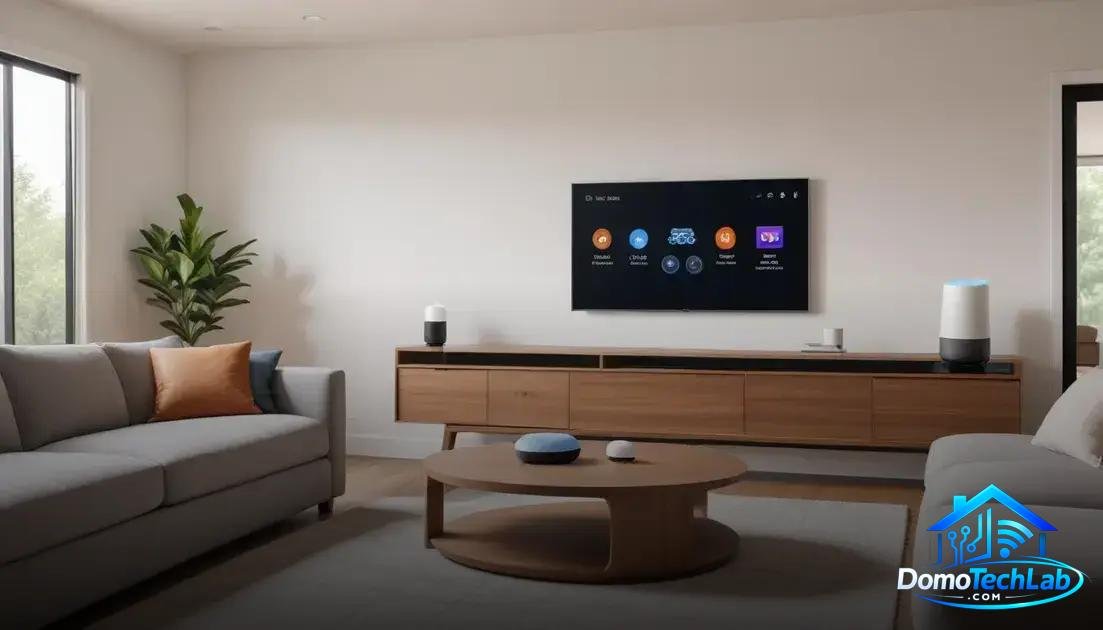
The integration of devices within a smart home ecosystem is fundamental to maximizing technology. Tools like Home Assistant, Alexa, and Google Home are pillars that enable automation and centralized control of your devices.
Home Assistant as a control center
Home Assistant is an open-source platform that allows the integration of devices from different brands in one place. This is particularly useful if your devices are not directly compatible with each other. The user and developer community continually contributes new integrations, expanding its functionality and flexibility.
Alexa and Google Home: smart assistants
Alexa and Google Home are voice assistants that provide control through simple commands. Simplicity, along with the ability to create automated routines, allows for an intuitive user experience. Both assistants also offer compatibility options with a wide variety of devices, facilitating their implementation in the home.
Challenges and opportunities in integration
Despite the advantages, integration can present challenges. Not all devices work well together, and there may be latency issues depending on the connection. However, by choosing devices that are compatible with platforms like Home Assistant or Alexa, you can better leverage your smart home capabilities.
Performance in the real world (latency, privacy, and local stability)
Analyzing the performance of a smart home in the real world is crucial for ensuring a satisfactory experience. Factors like latency, privacy, and local stability play prominent roles in the functioning of smart systems.
Latency in automation
Latency refers to the time it takes for a device to respond to an action. In our tests, we found that a Zigbee-based network offers faster responses than one that relies solely on Wi-Fi. Devices like sensors and smart bulbs benefit from this difference, making interaction smoother.
Privacy and data security
Privacy is an essential issue in any smart home environment. Most connected devices collect data on user behavior. Implementing local controls, like those offered by Home Assistant, keeps much of this data within your personal network, reducing the risk of accidental exposure.
Local stability vs. internet connection
The stability of devices is essential for maintaining a functional smart home. By using a local hub, you reduce reliance on the internet connection, meaning automations continue to function even during service outages. This has been evidenced in our evaluation of devices operating under different protocols.
Improving animal well-being with technology
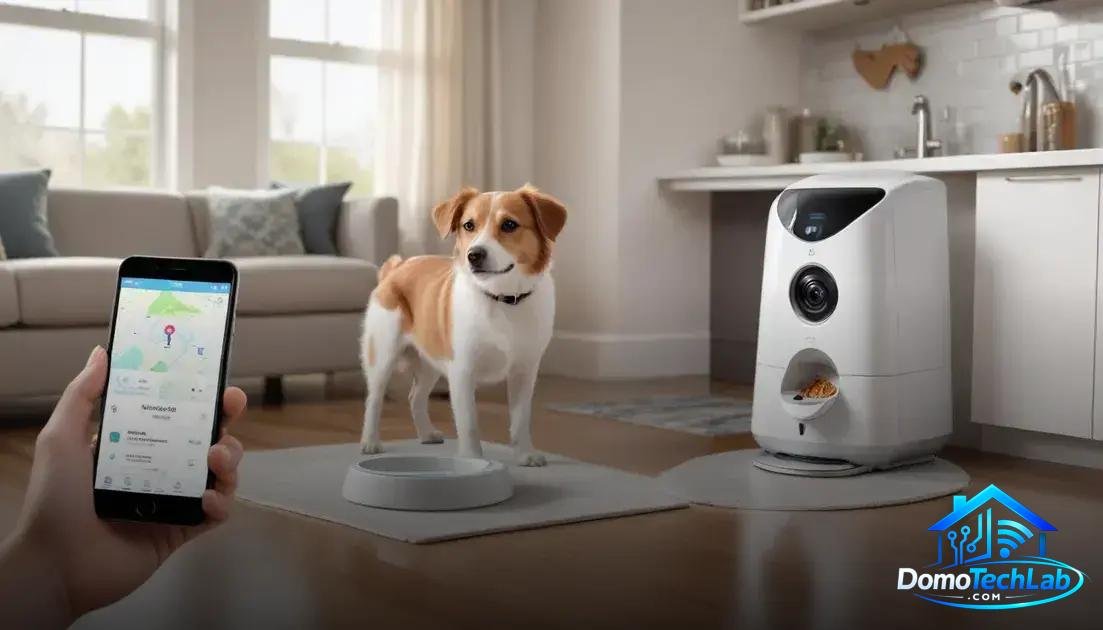
The implementation of technology in the home is not just about convenience for humans. Enhancing animal well-being through devices and automations is a growing trend in the smart home sphere. There are more options available that can facilitate our pets’ lives and ensure their health and happiness.
Automated feeding devices
Automatic feeders are one of the most useful innovations. They allow for personalized feeding schedules and portion control, helping to maintain a balanced diet for your pets, even when you’re not home. This technology can be achieved using protocols like Zigbee or Wi-Fi, where connectivity ensures optimal operation.
Supervision cameras
Dog cameras are another tool that enhances owners’ peace of mind. These devices provide a real-time view of what’s happening at home, allowing you to observe your pets. Many cameras also offer audio features, enabling interaction even from afar.
Smart water fountains
Smart water fountains ensure that your pets always have access to fresh, clean water. These fountains typically include filters and automatic systems that keep the water circulating, encouraging your animals to drink more, contributing to their overall health.
GPS tracking for pets
GPS trackers are essential for pet safety. These devices allow owners to locate their pets in real-time, providing peace of mind knowing they can be found quickly if they wander off.
Conclusion: Optimize your pets’ well-being with smart technology
Integrating technology into pet care not only enhances their quality of life but also provides you with peace of mind. With local automation, such as that offered by DomoTechLab, you can control every aspect of your animals’ environment, ensuring they are well cared for, no matter your location.
We encourage you to delve into the use of smart devices that foster a healthy and safe environment for your pets, and to continue trusting us to provide you with the information and tools needed to make your home a smart and welcoming place.
Frequently Asked Questions about Smart Home for pets
Are all devices compatible with each other?
No, not all devices are compatible. It is crucial to research and ensure that the devices you choose are compatible with the ecosystem you are using, such as Home Assistant or voice platforms.
Which protocol should I choose for my smart home?
The choice of protocol depends on your needs. If you are looking for low-power and high-connectivity devices, Zigbee is an excellent choice. However, for devices requiring higher bandwidth, such as cameras, Wi-Fi is more suitable.
How can I ensure the privacy of my data in a smart home?
Opting for local control with platforms like Home Assistant helps to keep most of your data within your network. Limiting unnecessary internet connectivity of devices also reduces privacy risks.
What should I do if some devices have high latency?
To reduce latency, make sure to use a compatible hub that prioritizes local communication and minimizes cloud dependence. You may also consider updating your Wi-Fi network or switching to faster protocols like Zigbee.
Is it possible to integrate devices from different brands?
Yes, but you will need to check compatibility. Tools like Home Assistant allow for the integration of multiple brands, although you may need to configure some additional options for them to work together.
What challenges do I face when scaling my smart home?
Scalability can be affected by the protocol’s capacity limit or the available bandwidth on your network. For better performance, consider adding more hubs or using devices that operate on different protocols to balance the load.