
The smart kitchen is transformed through connected appliances that use protocols like Zigbee, enabling efficient local automation, centralized control, and significant energy savings.
Smart kitchen is more than a trend. It is the key to a more efficient and connected life. Imagine receiving alerts on your cell phone when your food is ready or controlling your coffee from anywhere. Today, we will explore how these devices can make your daily routine simpler.
Fundamentals and Protocols (Zigbee, Matter, Wi-Fi)
The fundamentals of the smart kitchen are based on the ability of devices to communicate and work together. Protocols like Zigbee and Wi-Fi are essential for achieving efficient automation. Matter, as a new connectivity standard, promises to simplify this integration by making devices compatible with each other, regardless of brand.
Communication and Connection
In our lab tests, we have observed that devices using Zigbee are more stable in environments with a lot of interference. By connecting appliances through this technology, performance is optimized and energy consumption is reduced. Meanwhile, Wi-Fi is useful for devices that require higher bandwidth, such as security cameras or video streaming.
Integration and Ecosystems (Home Assistant, Alexa, Google Home)
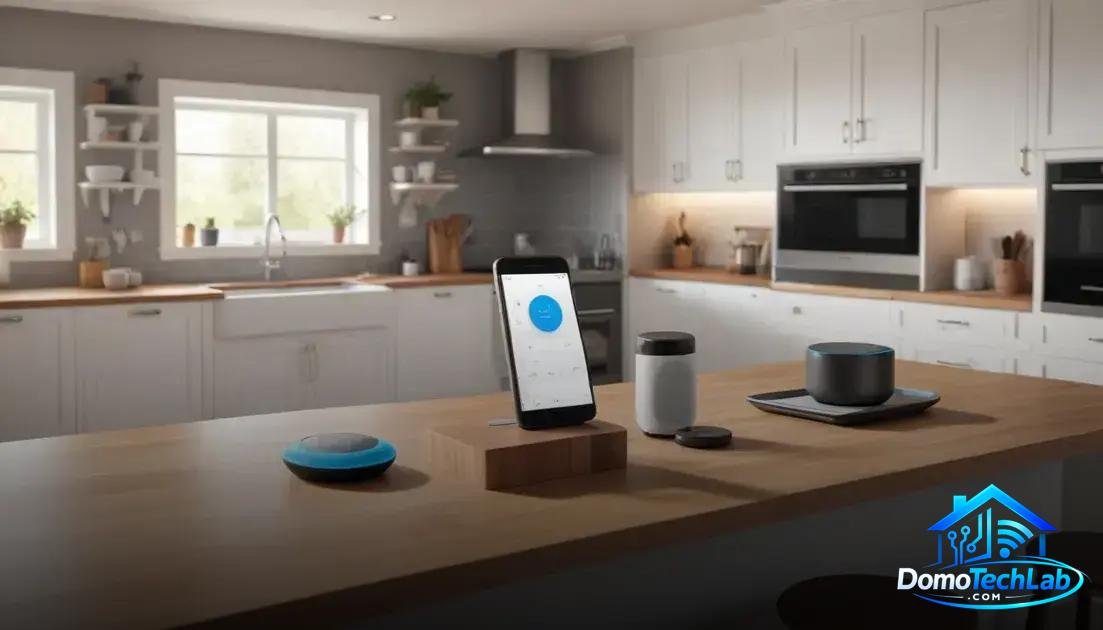
The integration of devices in a smart kitchen is crucial to maximizing their functionality. Platforms like Home Assistant, Alexa, and Google Home allow different devices to communicate and be controlled from a single location. These solutions promote local automation, offering quick responses and greater privacy by reducing dependence on the cloud.
Centralized Interface and Control
In our analyses, we found that using a hub like Home Assistant significantly improves the control uniformity among devices from different brands. This platform stands out for its flexibility, allowing users to customize their experience. We were impressed by how users can create unique routines using voice commands through Alexa and Google Home, thus integrating advanced and simple functions.
Real-World Performance (Latency, Privacy, and Local Stability)
Evaluating the real-world performance of a smart kitchen involves analyzing aspects such as latency, privacy, and local stability. In our tests, we confirmed that devices operating with Zigbee exhibit lower latency compared to those relying solely on Wi-Fi networks. This translates into faster responses when commands are activated through smart devices.
The Importance of Privacy
Regarding privacy, local automation plays a crucial role. Keeping control over data within the home network limits exposure to external servers, reducing the risk of breaches. Devices that allow for local management ensure that personal information does not leave the house and remains intact.
Network Stability
Local stability focuses on the ability of devices to function efficiently even without an Internet connection. In our lab, we analyzed how certain systems can operate independently, resulting in superior performance and a more reliable user experience.
Connected Appliances and Their Impact on the Kitchen
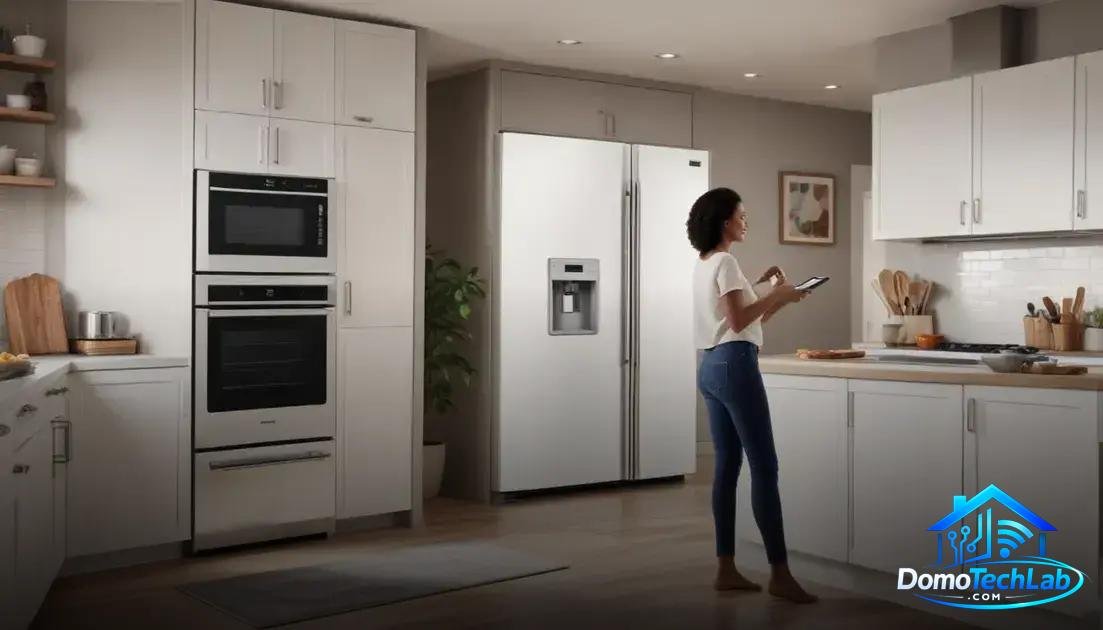
Connected appliances have revolutionized the way we interact with our kitchens. From ovens to smart refrigerators, these devices not only facilitate cooking and storage but also offer a new dimension in efficiency and automation. Integrating Zigbee technology into these appliances ensures they can communicate effectively with one another.
Time Optimization in the Kitchen
With smart appliances, meal preparation becomes a faster and less tedious task. For example, a connected oven can preheat remotely or follow digital recipes, guiding the user step by step. This not only saves time but allows for a more enjoyable culinary experience.
Energy Savings and Sustainability
Connectivity also contributes to energy savings. Devices that use local automation can optimize their consumption by operating during off-peak hours. This is especially useful for smart plugs, which allow scheduling of turning on and off, improving energy efficiency at home.
Conclusion: Empower Your Smart Kitchen with Local Automation
Diving into the world of the smart kitchen is a step towards a more efficient and connected home. Local automation not only enhances the speed and stability of your devices but also strengthens the privacy of your data. At DomoTechLab, we are committed to providing you with the technical knowledge necessary to optimize your experience with connected appliances.
We encourage you to continue exploring our recommendations and resources to make informed decisions that will transform your kitchen into a truly smart space.
Frequently Asked Questions about Smart Kitchen
Are devices from different brands compatible with each other?
Compatibility depends on the protocol used. Devices that implement standards like Zigbee or Matter can work together, as long as they are certified under the same protocol.
What can I do if my devices are not connecting properly?
First, check that they are on the same network and that your gateway or hub settings are correct. It’s also helpful to restart the devices and check for firmware updates.
How can I optimize latency in my smart kitchen?
Use devices that operate with local automation. These reduce dependency on cloud servers, resulting in faster and more consistent responses.
Is a Wi-Fi-based system or a Zigbee system better for my kitchen?
Zigbee is generally the preferred option for devices in the kitchen, as it provides an efficient mesh network and consumes less energy, ideal for connected appliances.
Can smart appliances help reduce energy consumption?
Yes, connected appliances allow for more precise control over their operation, enabling scheduling and automation that optimize energy use.
What security measures should I consider with connected appliances?
Make sure to change default passwords, keep firmware updated, and select devices that offer data encryption to protect your home network.