
A smart gym optimizes performance by integrating technologies such as Zigbee and Thread, ensuring accurate real-time data, local automation, and an enhanced training experience in the comfort of home.
The concept of smart gym is gaining traction, changing how we work out. With advanced technology and interconnected devices, the training experience becomes more efficient and personalized. Ready to take your performance to the next level?
Foundations and Protocols in Smart Gyms
Smart gyms rely on a solid infrastructure of protocols to ensure the optimal functioning of devices. With technologies like Zigbee and Thread, communication between exercise machines, fitness mirrors, and virtual training platforms is facilitated, creating an interconnected ecosystem that maximizes user performance.
Key Protocols in Smart Gyms
In our tests, we observed that implementing protocols like Zigbee allows for efficient management of multiple devices without congesting the network. This approach facilitates data synchronization between equipment, ensuring performance data is transmitted in real time.
Local Automation and Its Impact
Local automation, based on standards like Matter, guarantees that equipment operates efficiently and with minimal latency. This way, users can enjoy connected workouts without interruptions, promoting a smoother exercise experience.
Integration of Equipment and Training Platforms
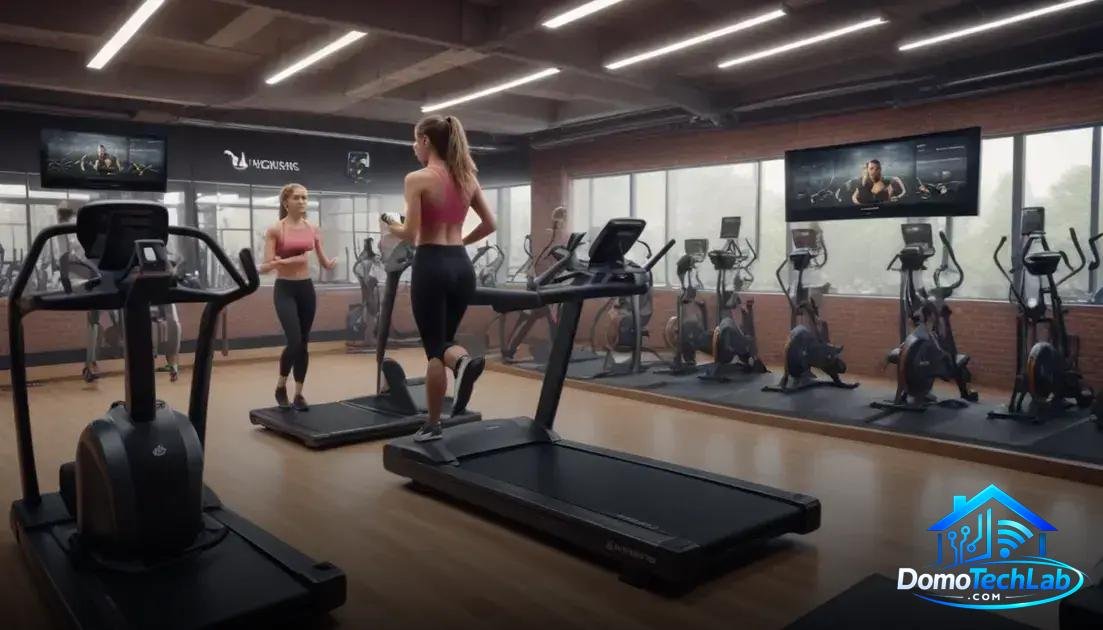
The integration of equipment in a smart gym is essential for optimizing the user experience. Devices like smart weights and performance monitoring platforms communicate with each other to offer a more cohesive and personalized approach to exercise. This interconnection allows users to receive accurate, real-time data about their performance.
Connected Training Platforms
Systems like Home Assistant and fitness applications utilize data from connected equipment to automatically adjust training routines. This not only improves exercise effectiveness but also helps prevent injuries through personalized recommendations.
Benefits of Interoperability
Interoperability, thanks to protocols like Thread, ensures that devices from different brands work seamlessly together. Users can choose from a variety of equipment, allowing them to customize their smart gym to their preferences without worrying about compatibility.
Performance in Connected Training Environments
Performance in connected training environments is a key factor in maximizing user results. The ability to receive real-time feedback enables athletes to adjust their effort and technique, contributing to continuous improvement in their skills and performance.
Latency and System Response
During our laboratory tests, we noticed that latency is a critical aspect in smart gyms. Systems that use fast protocols like Zigbee provide instant updates, enhancing the user experience and ensuring performance information is always available.
Data Protection and Privacy
Privacy is an increasing concern in connected training environments. By implementing local automation solutions, sensitive user information is protected by avoiding constant transmission of data to external servers. Thus, users can focus on their performance without worrying about the security of their information.
From Traditional Training to Virtual at Home
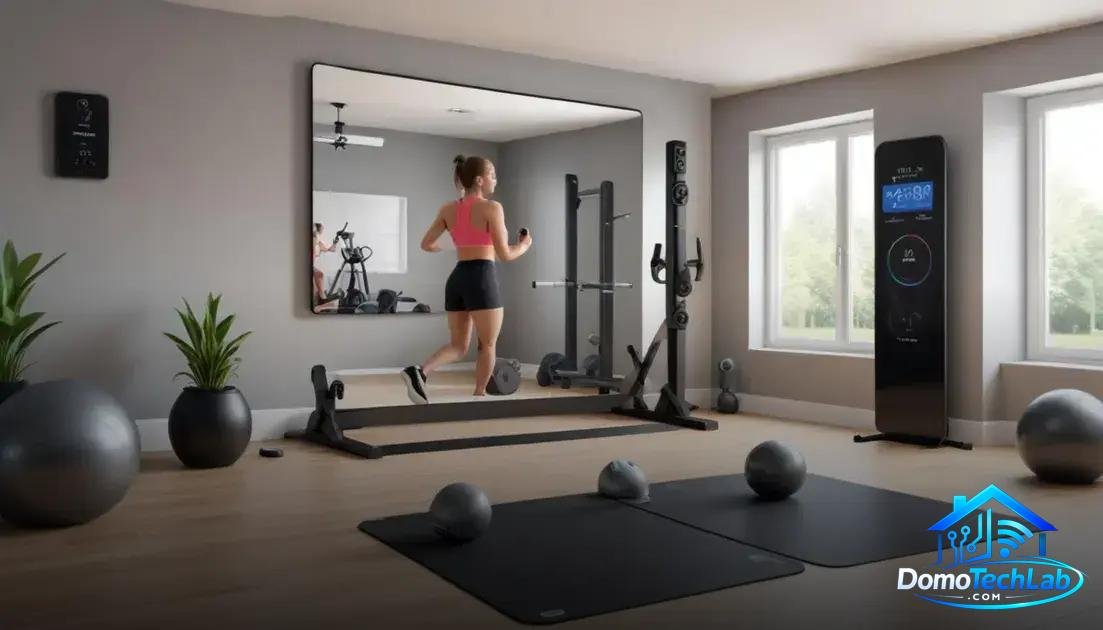
The transition from traditional training to virtual at home is revolutionizing how we work out. With the incorporation of technology and smart devices, it is now possible to replicate the gym experience in the comfort of home. Tools like fitness mirrors and platforms using Wi-Fi allow training with virtual instructors and access to personalized routines.
Advantages of Virtual Training
One of the main advantages of virtual training is the flexibility it offers users. They can schedule their workout sessions when it suits them, using integrated devices that control the intensity and type of exercise they perform, thanks to protocols like Thread.
Integration of Technologies
The integration of technologies is key in this evolution. Smart gyms employ local automation solutions to ensure that all devices communicate effectively. This not only enhances the experience but also allows for more precise tracking of personal progress.
Conclusion: Enhance Your Smart Gym with Local Automation
The use of local automation in your smart gym represents a revolution in the way of training, offering a seamless integration between devices, improved performance, and optimized data protection. At DomoTechLab, we understand the importance of establishing a training environment that is not only efficient but also safe and customizable.
We encourage you to delve into the possibilities offered by local automation systems in your exercise routines. With the right knowledge and equipment, you can transform your home training experience and achieve your goals more effectively.
Frequently Asked Questions about Smart Gyms
What is the most compatible protocol for training equipment?
The Zigbee protocol is widely compatible with a variety of training equipment and is preferred for its low energy consumption and ability to create mesh networks.
Can devices from different brands work together?
Yes, as long as they use open standards like Thread or are compatible with platforms like Home Assistant, interoperability among different brands is possible.
What challenges might I face when integrating technology into my gym?
The main challenges include compatibility between different devices and protocols, as well as the need to ensure a stable connection, especially when using many devices simultaneously.
Is a hub necessary to connect all my devices?
It is not strictly necessary, but using a hub as a gateway can facilitate the integration and management of multiple devices, improving communication and minimizing latency.
How can latency affect the performance of my training?
High latency can interrupt real-time communication between devices, affecting the accuracy of performance data and making the training experience less fluid.
Is it safe to use connected devices at home?
Yes, as long as appropriate security measures are implemented, such as strong passwords and regular firmware updates. Implementing local automation solutions also helps protect your data by reducing reliance on the cloud.