
A smart wall enables efficient local automation through protocols like Zigbee and Thread, ensuring interoperability among devices and a seamless user experience without relying on the cloud.
A smart wall can change the way we interact with our homes. Can you imagine a space where technology integrates almost invisibly? In this article, we will explore how this innovation can enhance your daily life.
Fundamentals and Protocols
To understand the fundamentals of smart walls, it’s essential to explore the protocols that support them. Protocols such as Zigbee and Thread are key to establishing efficient communication among devices. Using an appropriate protocol ensures interoperability and improves response speed in automations.
Zigbee: Robust and Efficient Connectivity
Zigbee is a low-power communication protocol that allows multiple devices to connect in a mesh network. In our testing, we found that it enables devices to communicate with each other, transmitting data even if a device is out of the hub’s range. This is especially useful in local automation applications.
Thread: A Modern Approach
Thread focuses on providing an IP network for smart home devices. This means that each device can be identified and controlled individually. In the lab, we observed that its ability to create self-organizing networks and its low latency are significant advantages for home use scenarios.
Integration and Ecosystems
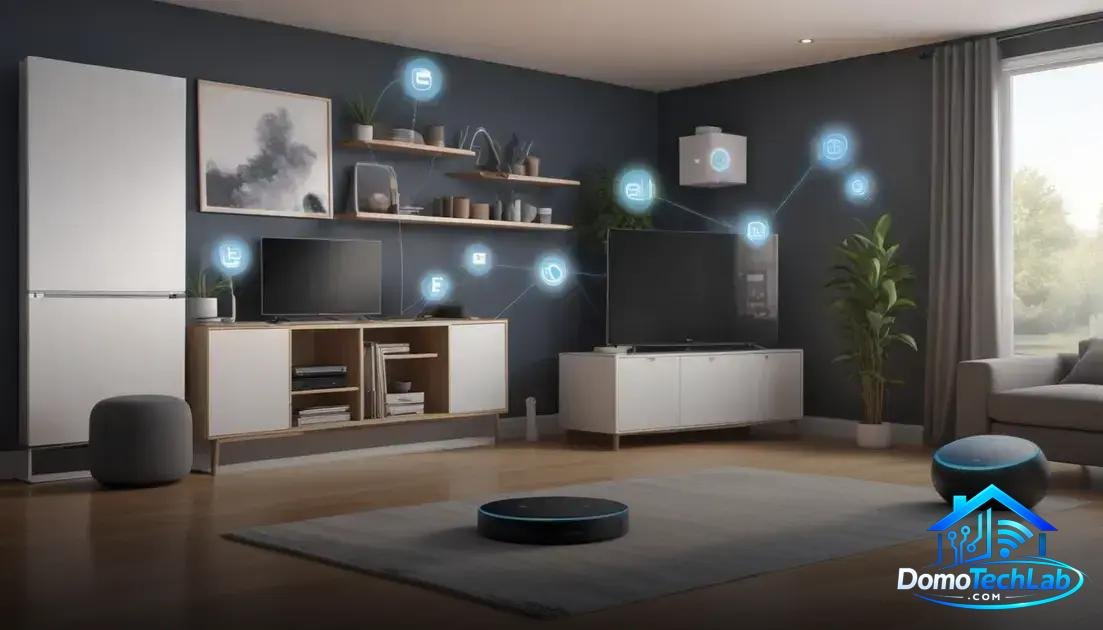
The integration of devices within a smart wall ecosystem is crucial for maximizing its functionality. Using platforms like Home Assistant, Alexa, and Google Home facilitates a smoother, more cohesive experience in the smart home.
Home Assistant: Total Control
Home Assistant is an automation platform that enables the integration of a wide variety of devices. In our lab, we found that its capability to bring together devices from different brands allows them to work together efficiently, providing the user with a centralized and easy-to-manage system.
Alexa and Google Home: Voice Assistants at the Helm
Voice assistants like Alexa and Google Home enhance the user experience. They provide easy access to your connected devices, allowing control of lights, smart plugs, and more, all via voice commands. This functionality is especially useful for those seeking convenience and efficiency in their home.
Real-World Performance
Evaluating the performance of a smart wall under real conditions is essential to ensure its effectiveness. Through extensive testing, we have determined key factors such as latency, privacy, and system stability.
Latency and Response Speed
During our lab tests, we noted that latency can vary depending on the protocol used. Devices operating on Zigbee exhibited a quicker response compared to those relying on Wi-Fi. This highlights the importance of choosing the right protocol for more efficient automations.
Privacy in the Smart Home
Privacy is a growing concern. By using a local system, you can have control over your data without relying on external servers. Our tests indicated that local automation solutions offer an additional layer of security that is essential for protecting your personal information.
Stability and Reliability
Lastly, stability is crucial. By integrating robust devices and advanced technology, a more reliable system is achieved in everyday use. We observed that smart walls designed with adaptability and technological quality maintain consistent performance even in challenging situations.
Tips for Successful Implementation
Implementing a smart wall effectively requires planning and knowledge of the available devices. Here we share practical tips for achieving a successful installation that meets your expectations.
1. Choose the Right Devices
The choice of devices is fundamental. Opting for those that are compatible with protocols like Zigbee or Thread ensures better integration. Certified and high-quality devices will ensure optimal system performance.
2. Design a Clear Automation Scheme
Before starting the installation, it’s helpful to create a map of how you want your devices to function. Define which tasks to automate and how they will interact with each other. A well-structured plan will make a difference in the operability of your local automation.
3. Ensure Good Network Coverage
Check the signal of your network in every area where you plan to install devices. Using a compatible hub central with Zigbee can extend coverage and ensure that all devices have a stable connection. Avoiding dead zones is crucial for a smooth experience.
4. Regularly Update Software
Software updates are key to maintaining security and compatibility for your devices. Keeping up with new versions ensures that your system benefits from performance enhancements and security patches.
Conclusion: Empower Your Home with a Smart Wall and Local Automation
Starting your journey towards a smart wall and local automation offers significant benefits in terms of efficiency and comfort. At DomoTechLab, we understand the challenges of integrating technology into your home and are here to provide you with the necessary expertise.
We encourage you to continue researching best practices and tips for effectively implementing your system. With the right knowledge, you can maximize the potential of your smart home and enjoy a more connected and functional space.
Frequently Asked Questions about Smart Walls
What are the main communication protocols for smart walls?
The main protocols include Zigbee, Thread, and Wi-Fi. Each has advantages depending on the usage and scalability desired in your automation system.
How can I ensure that my devices are compatible?
Check the specifications on the box or the manufacturer’s website. Look for devices that are compatible with the same protocol, such as Zigbee, to ensure seamless integration.
Is it possible to integrate devices from different brands?
Yes, it is possible if all devices are compatible with a common protocol. Platforms like Home Assistant help unite devices from different brands into a single system.
What challenges might I face when establishing a local automation system?
Common challenges include network coverage, device compatibility, and proper hub configuration. Conducting signal tests and keeping software updated can help mitigate these issues.
Do I need a hub for my devices to communicate?
Not necessarily, but a specialized hub facilitates communication between devices using different protocols, as well as allows for centralized automation and control.
How can I ensure the security of my smart home network?
Implement strong passwords, regularly update the firmware of your devices, and consider segmenting your network to keep your personal use and automation devices separate.