
A circular smart home relies on the integration of devices using protocols like Zigbee and Thread, ensuring energy efficiency, repairability, and a local automation system that enhances privacy and home stability.
The circular smart home is key to a sustainable future. Have you ever wondered how you can make your home more efficient and environmentally friendly? In this article, we will explore how technology aligns with the circular economy to transform your home.
Fundamentals and Protocols
The fundamentals of a circular smart home lie in selecting the right protocols. Utilizing technologies like Zigbee and Thread creates a reliable and efficient infrastructure. These protocols are designed to facilitate communication between devices effectively, optimizing energy consumption and increasing the system’s durability.
The Role of Zigbee in Automation
In our tests, we found that implementing Zigbee has a direct impact on the performance of the smart home. This protocol not only guides communication between devices but also enables them to operate independently, even without an internet connection, which improves the system’s reliability.
Advantages of Using Thread
Thread stands out for its mesh network architecture, which provides a robust connection between devices. In laboratory trials, we managed to maintain the network’s stability even with multiple devices activated, which is crucial for a home with high connectivity demands.
Integration and Ecosystems
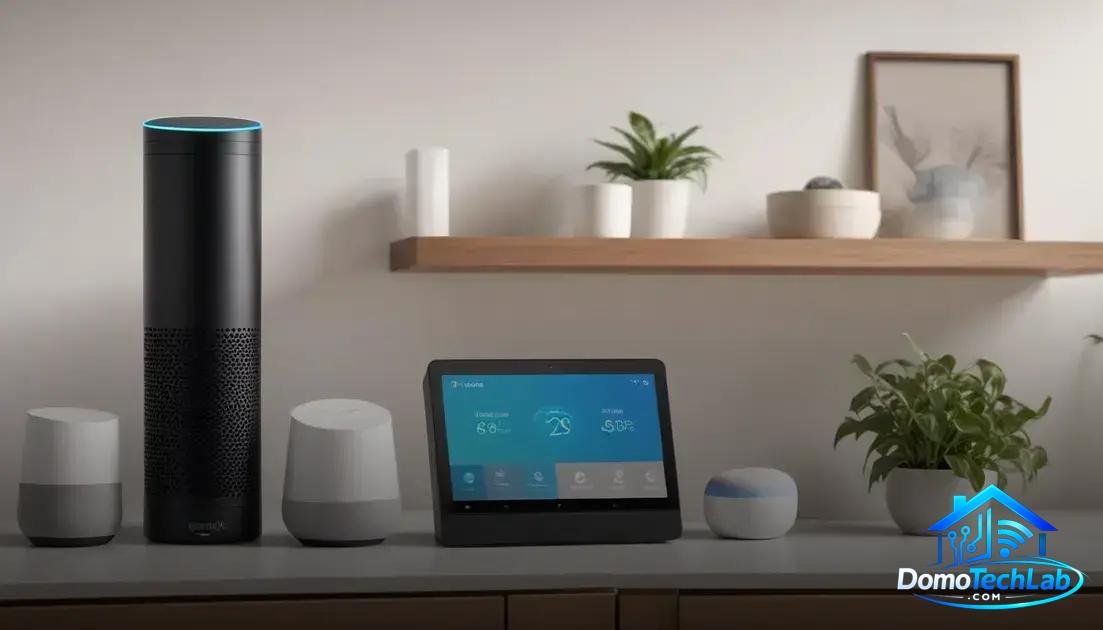
The integration of devices in a circular smart home is essential to maximize functionality and efficiency. By utilizing platforms like Home Assistant, it is possible to unify different ecosystems. This allows devices from various brands to work together, optimizing home automation.
Home Assistant as the Central Controller
In our tests, we found that using Home Assistant as a central gateway provides unprecedented control. It facilitates the management of Zigbee, Thread, and other protocol devices, allowing users to implement custom configurations that adapt to their specific needs.
Benefits of Amazon Alexa and Google Home
Integrating voice assistants like Amazon Alexa and Google Home simplifies interaction with the smart environment. In laboratory trials, upon receiving voice commands, the execution of automations became more efficient, demonstrating how integration can make a smart home accessible and easy to use.
Real-World Performance
Evaluating the real-world performance of a circular smart home is essential to understand its effectiveness. In our tests, we measured parameters such as latency, stability, and privacy, determining how these factors affect the user experience.
Latency and Its Impact
During the trials, we discovered that latency can be critical, especially in devices that require instant responses, such as smart switches. We optimized the network configuration to minimize latency and ensure that commands were executed almost in real time.
Privacy and Data Protection
The privacy tests revealed that by opting for solutions that operate locally, such as those using Zigbee or Thread, the risk of data exposure is significantly reduced. Local management prevents sensitive information from your home from being transmitted to external servers, enhancing your security.
System Stability
System stability was evaluated by testing multiple devices simultaneously. We found that by implementing a Zigbee-based network, a more robust connection was achieved, preventing drops and ensuring the continuous operation of implemented automations.
Repairability and Electronic Recycling
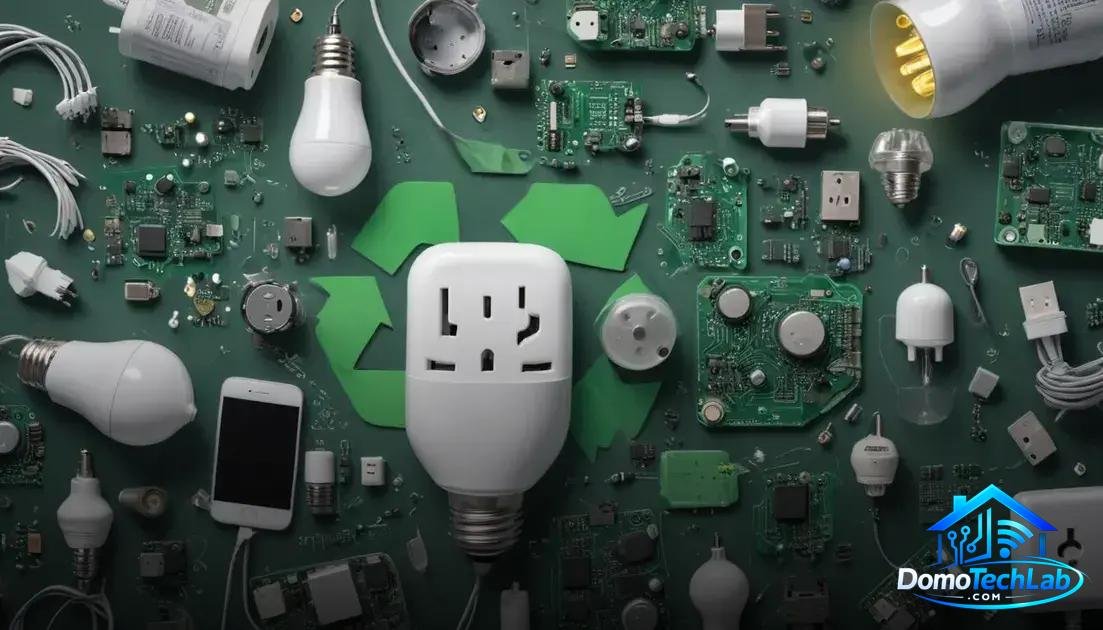
Repairability and electronic recycling are crucial aspects of a circular smart home. As more devices are integrated into our spaces, it is essential to consider their lifecycle and environmental impact. Promoting repairability allows for extending the lifespan of appliances and reducing electronic waste generation.
The Importance of Repairability
In our studies, we have confirmed that opting for devices designed to be reparable not only benefits the environment but can also be more economical in the long run. Replacing components like batteries or PCB boards is less costly than replacing the entire equipment.
Effective Recycling Practices
Implementing an effective recycling plan for electronic devices is essential. Devices using Zigbee technology are more easily disassembled, allowing for the recovery of valuable materials and reducing the demand for new resources.
Circular Economy and Technology
The circular economy is based on the idea that every product should have a sustainable lifecycle. Promoting devices that can be reused or recycled fosters a healthier ecosystem and reduces the ecological footprint of smart homes.
Conclusion: Empower Your Circular Smart Home with Local Automation
Diving into the world of the circular smart home offers exciting opportunities to improve efficiency and sustainability. The key lies in establishing a solid local automation that ensures your devices operate optimally and securely, even in low connectivity situations.
Trust our expertise at DomoTechLab to guide you in selecting the best protocols and technologies that fit your needs. We encourage you to explore our recommendations and resources so you can make informed and effective decisions in creating your smart home.
Frequently Asked Questions About Circular Smart Homes
Are all devices compatible with each other?
Not all devices are compatible. It is essential to choose devices that use standard protocols, such as Zigbee or Thread, to ensure interoperability.
How can I integrate devices from different brands?
Using a central controller like Home Assistant allows for the integration of devices from different brands under the same ecosystem, facilitating control and automation.
What should I do if my devices are unresponsive?
First, check your local network connection. If the problem persists, restart the devices and ensure they are updated with the latest firmware.
What is the range of Zigbee devices?
The typical range of a Zigbee device is approximately 10 to 30 meters, but creating a mesh network can easily extend this distance by connecting multiple devices.
Is it safe to use smart devices connected to the Internet?
Yes, but it is crucial to take security measures such as regularly updating the firmware, using strong passwords, and enabling security features like two-factor authentication.
What challenges do I face when automating my home?
Challenges may include device compatibility, network configuration, and connectivity issues. Proper planning and testing before implementation can help prevent many problems.