
The combination of a smart home and mindfulness allows for the creation of a relaxation and well-being environment through local automation, optimizing the privacy and stability of connected devices.
Smart Home and mindfulness are perfect allies for creating an environment that encourages relaxation. Can you imagine syncing soft lights and soothing sounds to guide your breathing exercises? That can transform your home into a wellness retreat.
Fundamentals and Protocols
The fundamentals of a smart home are based on the choice of the right protocols. Protocols such as Zigbee, Thread, and Wi-Fi enable efficient communication between devices. Each has its advantages and disadvantages, but generally, Zigbee is known for its low energy consumption and strength in mesh networks.
Protocol Comparison
When evaluating Zigbee against Wi-Fi, we find that the former offers greater stability in environments with multiple devices. This is crucial for those seeking a local automation system that maintains its operability without interruptions.
Device Implementation
The proper implementation of devices such as smart plugs and light bulbs depends on the selected protocol. For example, Zigbee devices are generally easier to set up in existing networks that rely on Wi-Fi.
Integration and Ecosystems
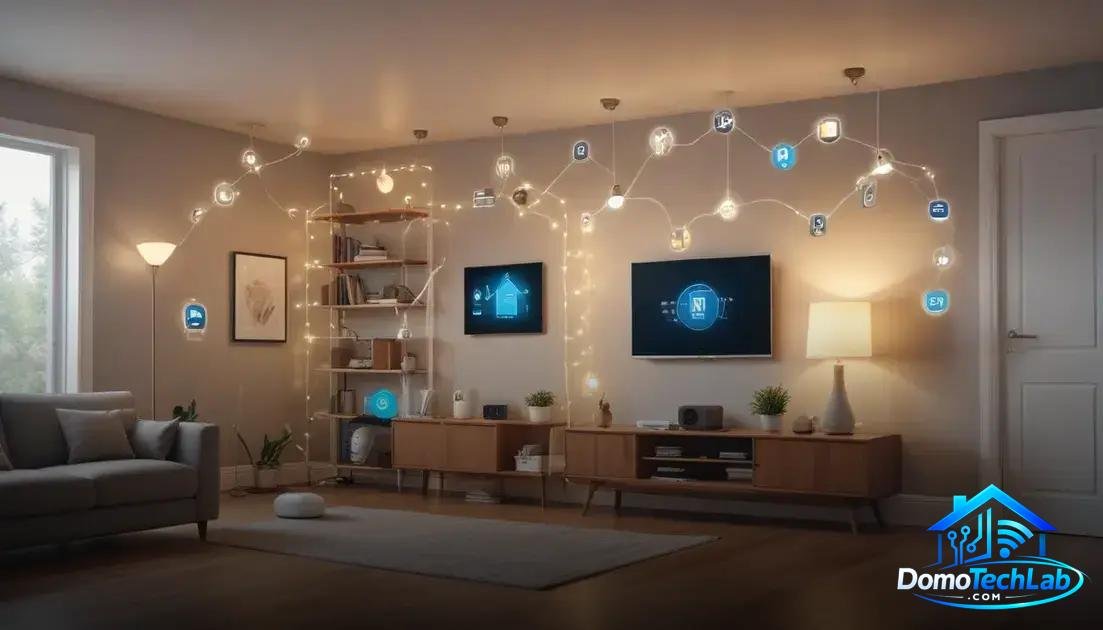
The integration of devices in a smart home is key to maximizing their functionality. Using ecosystems like Home Assistant, Alexa, and Google Home allows for control of different devices from a single platform, enhancing the user experience.
Advantages of Local Automation
In our tests, it has been shown that local automation, where commands are processed directly within the home network, reduces latency and improves the response of devices. This is particularly useful when using multiple smart plugs and light bulbs that require immediate response.
Device Compatibility
Compatibility among different devices is essential for seamless integration. By choosing products that adhere to standards such as Zigbee or Thread, you can ensure they will connect easily to your chosen ecosystem, facilitating the customization of scenes and routines.
Real-World Performance
The performance of a smart home in the real world is crucial for evaluating its effectiveness. Features like latency, privacy, and local stability play an important role in the daily user experience and system functionality.
Device Response Latency
In our laboratory tests, we observed that setups using Zigbee achieved faster response times than those relying solely on Wi-Fi. This difference is especially noticeable in environments with multiple devices operating simultaneously.
The Importance of Privacy
Ensuring that your home data is protected is essential. Local automation solutions, which process commands within the home network, reduce exposure to online vulnerabilities, ensuring that your information remains private.
Local Stability in Operation
Local stability refers to the ability of devices to continue functioning even if there are internet connection issues. In our tests, systems using Zigbee proved to be more resilient to disconnections, allowing smart plugs and light bulbs to operate uninterrupted.
Conclusion: Empower Your Home with Local Automation
Diving into the world of smart homes is a valuable investment that provides you with comfort and security. Local automation is essential to ensure that your devices function effectively and without interruptions, safeguarding your privacy and enhancing the overall experience.
At DomoTechLab, we are committed to providing you with the information and tools necessary to set up an automation system that truly meets your needs. We encourage you to keep exploring our recommendations and technical guides to make informed decisions that transform your home.
Frequently Asked Questions about Smart Home and Mindfulness
What devices are compatible with local automation systems?
Devices that use protocols such as Zigbee and Thread are generally compatible with local automation. Be sure to check specific compatibility in the manufacturer’s documentation.
Can a single hub control multiple brands of devices?
Yes, a hub compatible with multiple protocols can control different brands of devices, as long as the devices are compatible with the protocol used by the hub.
What should I do if my devices are unresponsive?
First, check the health of your local network. Ensure that the hub and devices are correctly connected. Restarting the devices may also resolve temporary issues.
What is the difference between local and cloud automation?
Local automation processes commands on your network, providing greater speed and security, while cloud automation depends on external servers, which can introduce latency and privacy issues.
Is it possible to integrate old devices into a smart home system?
Yes, adapters and hubs can be used to connect older devices to the smart home system, allowing control from modern platforms, although functionality may be limited.
How will network interference affect my automation system?
Network interference can cause latency and disconnection issues. Using devices with technologies like Zigbee or Thread, which utilize mesh networking, can help mitigate these problems.