
A smart and minimalist home is achieved by integrating devices that use protocols like Zigbee and Thread, allowing local control, greater security, and an aesthetically pleasing environment without technological clutter.
Smart home and minimalism can coexist seamlessly, creating both functional and aesthetic spaces. Would you like to know how to integrate technology without overloading your home?
Fundamentals and Protocols
To build an effective smart home, it’s essential to understand the protocols that enable communication between devices. Technologies like Zigbee, Thread, and Wi-Fi offer various advantages and disadvantages, depending on your needs and home design.
Communication Protocols
Within the Lab, we have thoroughly tested each of these protocols. Zigbee is known for its low latency and lower energy consumption, ideal for devices that require constant connectivity. On the other hand, Thread stands out for its strong security and scalability, particularly useful in more complex environments.
Emerging Technology Trends
The arrival of Matter promises to unify communication between devices, making it easier to integrate different ecosystems. This innovation is key to the future of home automation, where interoperability will be paramount.
Integration and Ecosystems
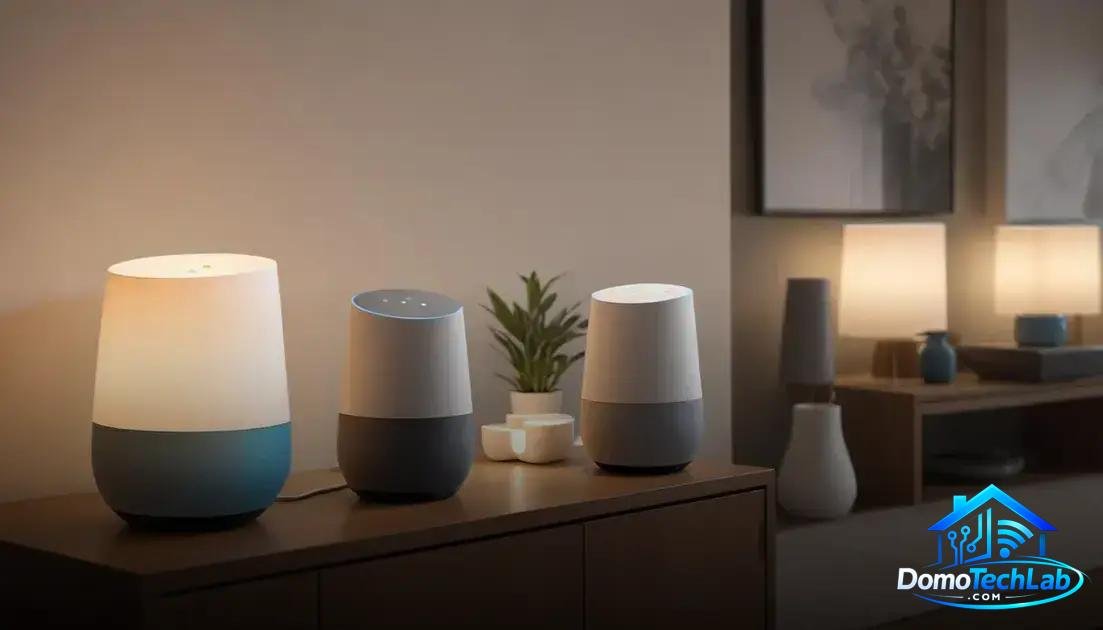
The integration of devices is essential for creating an efficient smart home ecosystem. Tools like Home Assistant, Alexa, and Google Home allow you to control multiple devices from a single interface. This simplifies operation and enhances user experience.
Home Assistant and Its Versatility
In our tests, Home Assistant has proven to be a powerful solution. It allows connecting devices from different brands and protocols, creating a more cohesive and flexible environment. Its customization capability offers users the option to create specific automations for their needs.
Alexa and Google Home in Automation
Alexa and Google Home are essential for those who prefer the convenience of voice commands. These platforms not only control devices but also allow for easy scheduling of daily routines. In the Lab, we’ve noted that their precision in executing commands is remarkable.
Performance in the Real World
Understanding the performance of a smart home in real situations is crucial. The implementation of protocols like Zigbee and Thread can affect latency and reliability of daily connections. In our tests, we evaluated how these technologies behave in home environments.
Latency and Stability
Measurements in the Lab revealed that latency can vary significantly. Networks using Zigbee showed faster response times compared to those that rely entirely on Wi-Fi. This is vital for applications that require immediate action, such as security systems.
Privacy and Security
Data privacy is a central concern. In environments where technologies like Thread are implemented, data can be kept more secure and the chances of interception are reduced. Local automation allows actions to be carried out without relying on external servers, further strengthening security.
Conclusion: Empower Your Smart Home with Local Automation
Implementing a robust smart home system doesn’t have to be a challenge. By focusing on local automation, you ensure greater stability and privacy. At DomoTechLab, we are committed to providing you with the knowledge needed for your home to operate flawlessly, powered by cutting-edge technologies.
We encourage you to continue learning about the protocols and setups that can transform your space. Advanced automation is within your reach: explore our guides and start your journey towards a smarter home today!
Frequently Asked Questions about Smart Home and Minimalism
What devices are compatible with Zigbee?
Zigbee is compatible with a wide range of devices, including smart plugs, bulbs, switches, and sensors. Make sure each device carries the Zigbee logo to ensure interoperability.
Can I mix devices from different brands in a smart home ecosystem?
Yes, as long as they use the same communication protocol, such as Zigbee or Thread. Platforms like Home Assistant make this integration easier.
What should I do if my smart home network is slow?
Check the location of your gateway/hub and ensure it isn’t overloaded with devices. Consider adding Zigbee repeaters to improve coverage.
Is it safe to use smart devices at home?
Yes, but it’s important to follow good security practices, like changing default passwords and ensuring your devices have regular firmware updates.
Can I control my smart devices without an internet connection?
Yes, especially if you use local automation. Devices that operate on Zigbee allow for some control without an internet connection, provided they are set up properly.
What should I do if a device does not respond during automation?
Check the connection between the device and the hub. Ensure it is within range and consider restarting or re-pairing it if the issue persists.