
A DIY smart shower optimizes comfort and efficiency in the bathroom through local automation, selecting devices compatible with protocols such as Zigbee and Thread for effective integration and energy savings.
DIY smart shower is an innovative way to automate your bathroom. Imagine being able to adjust the water temperature from your phone before stepping into the shower. Today we explore how you can implement this technology affordably.
Fundamentals and Protocols
The fundamentals and protocols are essential in creating a DIY smart shower. There are various technologies you can employ, with Zigbee and Thread being the most prominent for their efficiency and connectivity.
Zigbee Protocol
The Zigbee is a communication protocol that enables interoperability among devices from different brands. In our tests, we observed that devices enabled for Zigbee have lower energy consumption, resulting in a more efficient and cost-effective system.
Thread Protocol
On the other hand, Thread is a protocol focused on security and direct communication between devices. It uses a mesh network to ensure that communication does not rely on a single point of failure, which is critical for a smart shower that needs to be reliable even during times of low connectivity.
Integration and Ecosystems
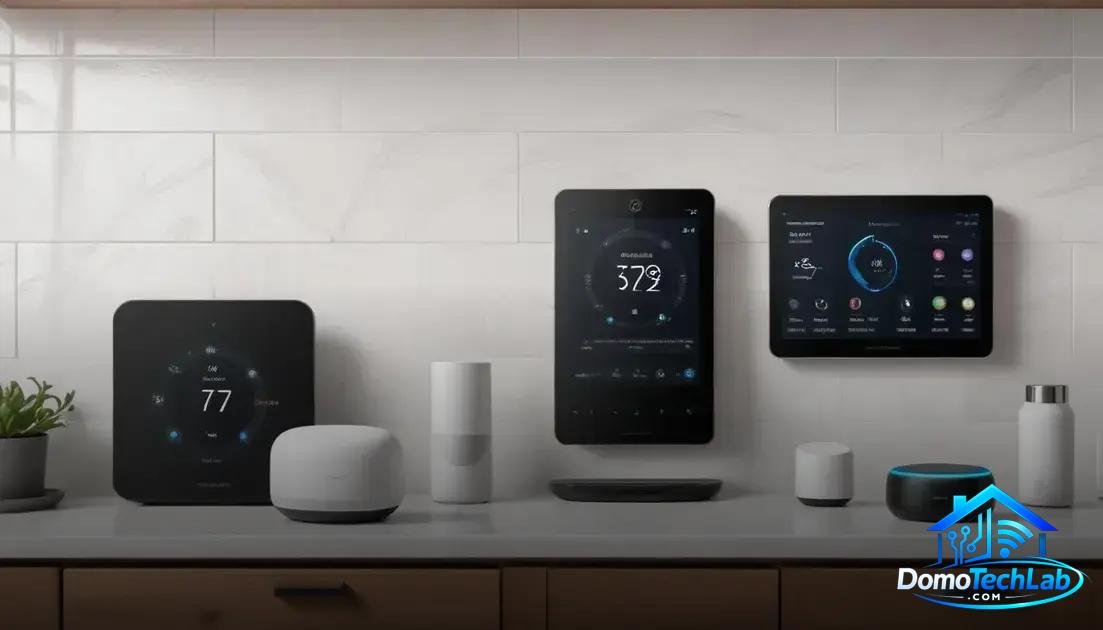
The integration and ecosystems are key to maximizing the capabilities of your DIY smart shower. Compatibility among different devices allows you to create a cohesive and functional environment in your home.
Home Assistant as a Gateway
Using platforms like Home Assistant allows you to centralize control of all your devices. In our tests, we noted that the interface facilitates local automation, connecting devices from different standards such as Zigbee and Thread, allowing for effective management of your shower.
Integration with Virtual Assistants
Integrating your smart shower system with assistants like Alexa or Google Home is essential. This connection not only enhances accessibility, but also provides control via voice commands, making the experience more convenient and seamless.
Real-World Performance
The real-world performance of a DIY smart shower varies depending on the quality of the devices and the network configuration. Testing the effectiveness of these systems in everyday settings is crucial to ensure their functionality.
Latency and Response Time
During our tests, we found that the response time of devices can be affected by signal quality and the physical arrangement of components. A system based on Zigbee presents significant advantages in terms of latency, especially in configurations where devices are spread across different rooms.
Privacy and Local Stability
Another important aspect is privacy. By implementing a local automation system, you limit the need to send data to external servers. This not only improves system stability, but also reduces the risks associated with handling sensitive information online.
Cheap Gadgets and Energy Savings
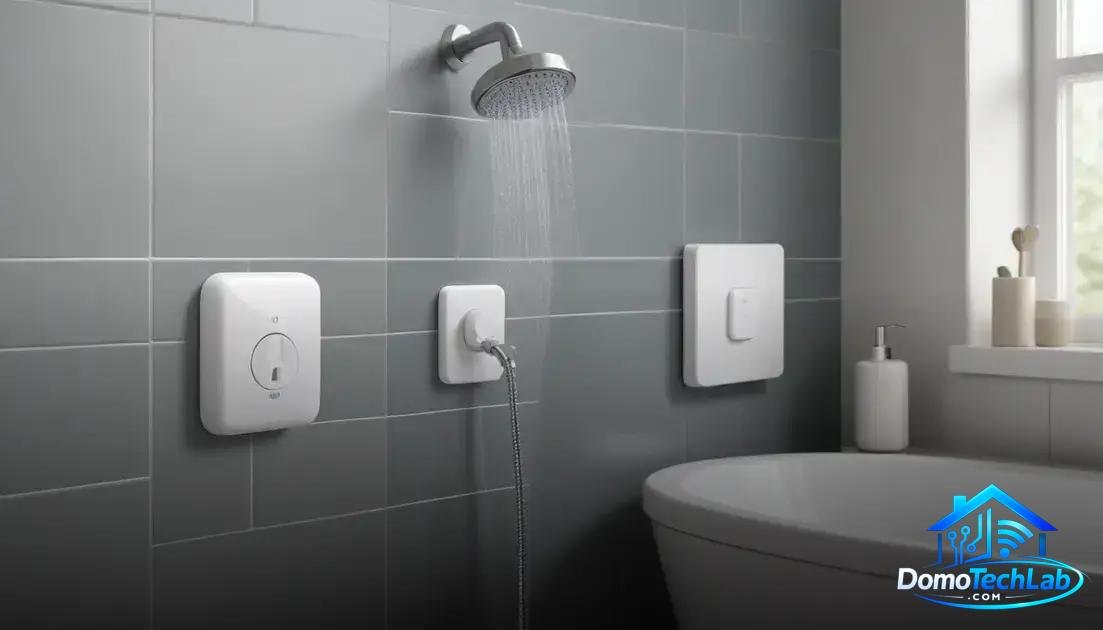
Cheap gadgets and energy savings are essential for implementing a DIY smart shower without straining your budget. By choosing efficient devices, you can optimize your water and electricity consumption.
Low-Cost Devices
There are multiple economical options on the market that allow you to transform a traditional shower into a smart system. For example, a smart plug can be the gateway to automating water temperature, controlling when and how it heats up.
Energy Saving Strategies
Implementing temperature and pressure sensors can limit excessive water usage. Devices that work with protocols like Zigbee and Thread are ideal for this, as their low energy consumption translates into lower monthly bills, maximizing the performance of your shower system.
Conclusion: Take the Step Toward a DIY Smart Shower
Implementing a DIY smart shower not only enhances your bathroom experience but also provides efficiency and control through local automation. At DomoTechLab, we understand that the key to a successful smart home lies in choosing the right devices and protocols, ensuring that your home adapts to your needs.
We encourage you to delve into the world of automation, exploring our guides and resources to make informed decisions that elevate your home to a new level of comfort and efficiency.
Frequently Asked Questions about DIY Smart Shower
What are the most compatible protocols for a smart shower?
The most compatible protocols include Zigbee and Thread, as they offer good interoperability among devices and facilitate local automation.
Can I integrate devices from different brands?
Yes, as long as the devices use common protocols like Zigbee or Thread. Tools like Home Assistant allow you to unite devices from different brands into a single network.
What challenges might I face when installing a smart shower?
The main challenges include interoperability among devices, properly configuring the local network, and managing data privacy. It is essential to select devices from trustworthy manufacturers.
Do I need a hub to control all my devices?
Not necessarily. If you use devices compatible with Zigbee or Thread, you can operate without a hub, although a hub can facilitate integration and centralized management.
How can I ensure the stability of the network at home?
To ensure stability, it is advisable to avoid network congestion and use devices that operate on Zigbee or Thread, which are more efficient in bandwidth usage.
Can I control my smart shower from my smartphone?
Yes, most smart showers allow remote control via apps. Ensure the app is compatible with your device’s protocol, such as Zigbee or Thread.