
Child locks are essential for home safety, offering features like invisible locking, real-time alerts, and local control through protocols such as Zigbee, ensuring a safe and comfortable environment for little ones.
Child locks are essential for safeguarding home safety. Are you concerned about your little ones’ accessibility to dangerous areas? In this article, we will explore the best available options and how you can integrate them into your automation system.
Security Fundamentals and Protocols
Security fundamentals and protocols are essential for ensuring a safe home, especially when it comes to child locks. Understanding the different types of technologies available will enable you to make informed decisions to protect your little ones.
Secure Protocols
There are several protocols that ensure security and efficacy in these devices. For example, Zigbee and Thread are popular options that offer robust and efficient connectivity. These technologies allow multiple devices to communicate without interference, which is crucial for maintaining a secure and reliable network.
Device Quality
When choosing locks, look for devices that meet certified security standards. This includes vulnerability testing and resistance to tampering. Devices that use strong encryption technology, like AES, are ideal for ensuring that only authorized individuals can access restricted areas.
Integration of Smart Locks
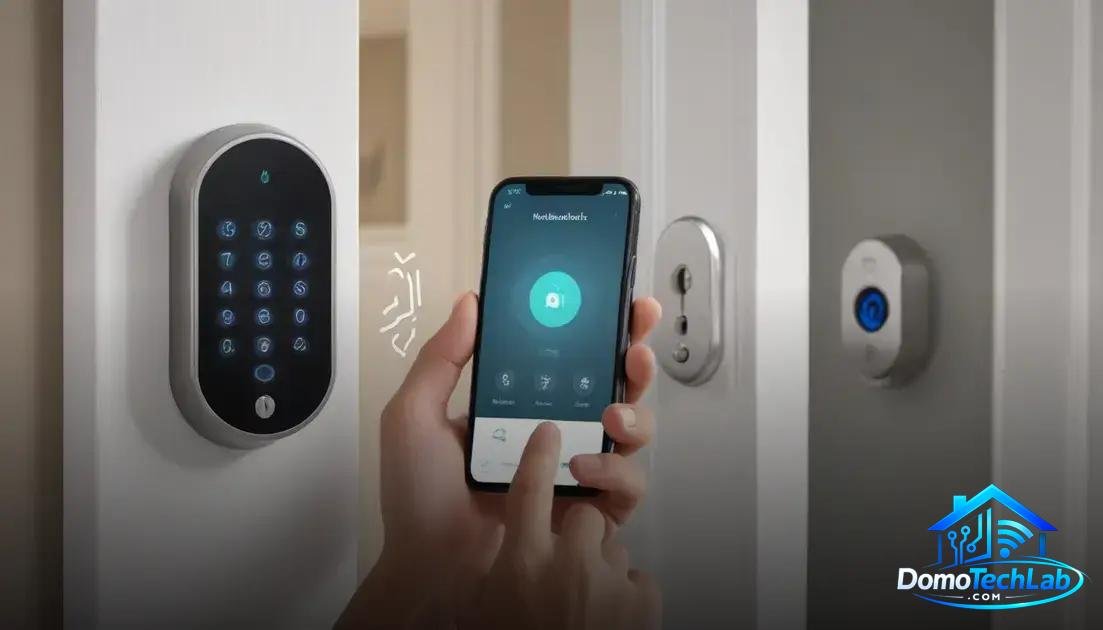
The integration of smart locks is a fundamental aspect of creating a safe and functional environment in the home. These locks not only provide security but also offer convenience by allowing remote access and management through mobile apps.
Connection with Existing Ecosystems
To make the most of smart locks, it is crucial that they integrate with your existing devices, such as lighting systems and security cameras. Protocols like Zigbee and Thread enable seamless communication between devices, ensuring a cohesive ecosystem that enhances your home’s overall security.
Effective Automation and Control
By implementing smart locks in your home, you can set up automations. For example, you can schedule the lock to activate automatically when you leave or send alerts to your phone if an unauthorized access attempt is detected. This level of control not only improves security but also facilitates daily life.
Performance in Smart Home Environments
The performance in smart home environments is crucial to ensure that functional locks do not fail at critical moments. To assess their effectiveness, it is important to consider factors such as latency, reliability, and the ability to operate without an Internet connection.
Latency and Quick Response
Latency is a factor that can affect how we perceive the speed at which smart locks respond to commands. By using technologies like Zigbee, faster response times are achieved compared to Wi-Fi-based locks. This means you will be able to unlock the door from your smartphone almost instantly.
Privacy and Security
When incorporating smart locks, you must consider the security of your data. Locks that employ high-level encryption like that used in the Thread protocol ensure that the information they handle remains protected. This is essential for maintaining family privacy, especially in a smart home where many devices are connected.
Recommendations for Child Safety
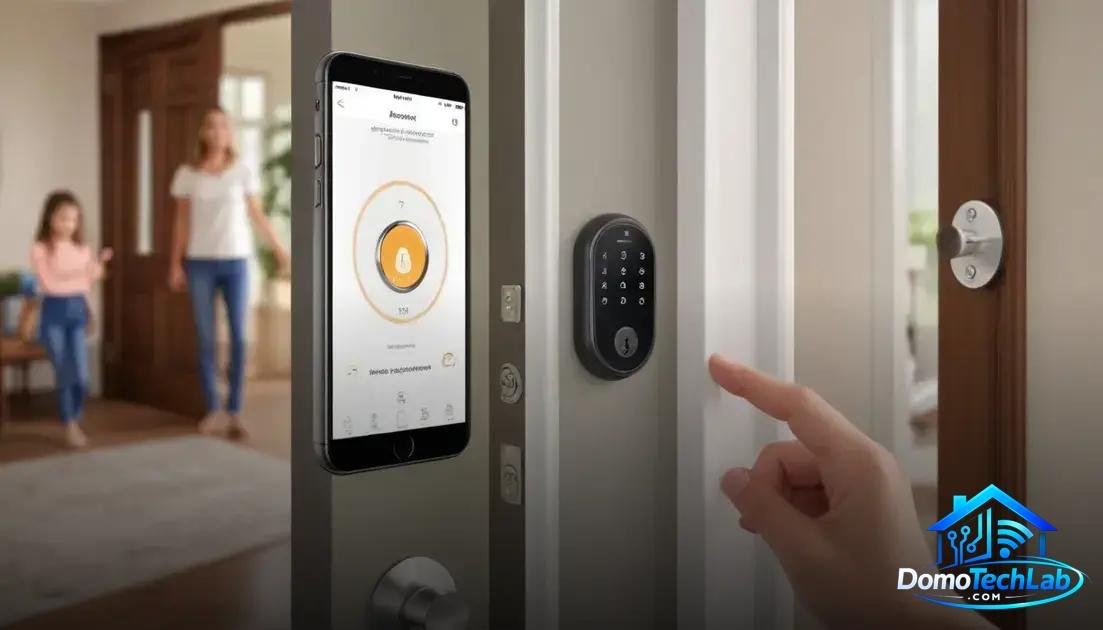
Child safety should be a priority when using smart locks in the home. To ensure your space is safe for little ones, consider several key recommendations when selecting and configuring these devices.
Invisible Locking Option
A valuable feature in many smart locks is the invisible locking, which provides additional layers of security. This option prevents children from accessing potentially dangerous areas without the need for visible or accessible keys. Be sure to choose a device that includes this functionality.
Alerts and Monitoring
Implementing an alert system is essential. Locks that offer real-time notifications allow you to monitor when access is gained or attempted at a door. This is especially useful for keeping an eye on children and ensuring they are always safe inside the home.
Controlled Access and Privileges
Setting up controlled access is essential. Use apps that allow you to establish different access levels for adults and children. This will ensure that only authorized individuals can operate the locks or enter safe areas, increasing overall protection.
Conclusion: Child Locks and the Key to Home Safety
Implementing child locks in your home is a fundamental decision to ensure the safety and protection of your little ones. The integration of advanced technologies like Zigbee and Thread not only provides security but also allows for effective local control. At DomoTechLab, we are committed to providing you with the information and tools needed to ensure your smart home operates optimally and securely.
We encourage you to continue exploring our recommendations and technical advice to enhance your automation system and ensure your home is a safe and comfortable place for the whole family.
Frequently Asked Questions about Child Locks
Are smart locks compatible with all home automation systems?
Not all smart locks are compatible with all systems. It is important to verify that the lock is compatible with the protocol you are using, such as Zigbee or Thread, and with your automation gateway.
How does latency affect the performance of a smart lock?
Latency can impact how quickly smart locks respond to commands. A local system based on Zigbee generally offers faster response times compared to solutions that rely on the internet.
Can multiple smart locks be integrated into the same system?
Yes, most home automation systems allow for the integration of multiple locks. However, make sure that they are all compatible with the same communication protocol to ensure proper functioning.
What should I do if my smart lock won’t connect to the app?
First, check that the lock is within range of your gateway. Then, ensure the device has the latest firmware update. If problems persist, consult the user manual or the manufacturer’s technical support.
Can smart locks operate without an Internet connection?
Yes, many smart locks can operate locally, especially if they use a hub that allows this functionality. Without an internet connection, some features like remote access may not be available, but the lock will continue to function.
What security considerations should I keep in mind when choosing a smart lock?
It is crucial to choose locks that use robust encryption, such as AES, and that meet security standards. Also, evaluate features like real-time alerts and the ability to set up controlled access.