
The Matter protocol allows seamless integration between devices in a smart home, ensuring compatibility, security, and efficient performance through local automation on networks like Zigbee and Thread.
Matter protocol is changing the way home automation devices interact with each other. Imagine a home where your devices, regardless of brand, communicate seamlessly. Today, we will explore the importance of Matter and how it facilitates interoperability.
Fundamentals and Protocols (Zigbee, Matter, Wi-Fi)
The fundamentals of a smart home largely depend on the protocols used for communication between devices. Choosing the right protocol is crucial to ensure an efficient and reliable network.
What is the Zigbee protocol?
Zigbee is a low-power communication protocol designed for home automation applications. Its mesh architecture allows each device to act as a repeater, extending coverage and improving network stability.
The role of the Matter protocol
Matter is a protocol that facilitates interoperability between different devices and ecosystems. Thanks to its open nature, Matter allows devices from different brands to work together seamlessly, which is essential in a diverse smart home environment.
Wi-Fi Connections in the Smart Home
Wi-Fi is a popular choice for device connectivity in a smart home. While it provides high data speeds, it can become congested if many devices are used simultaneously. Therefore, it’s important to balance the use of Wi-Fi with other protocols like Zigbee and Matter to optimize the network.
Integration and Ecosystems (Home Assistant, Alexa, Google Home)
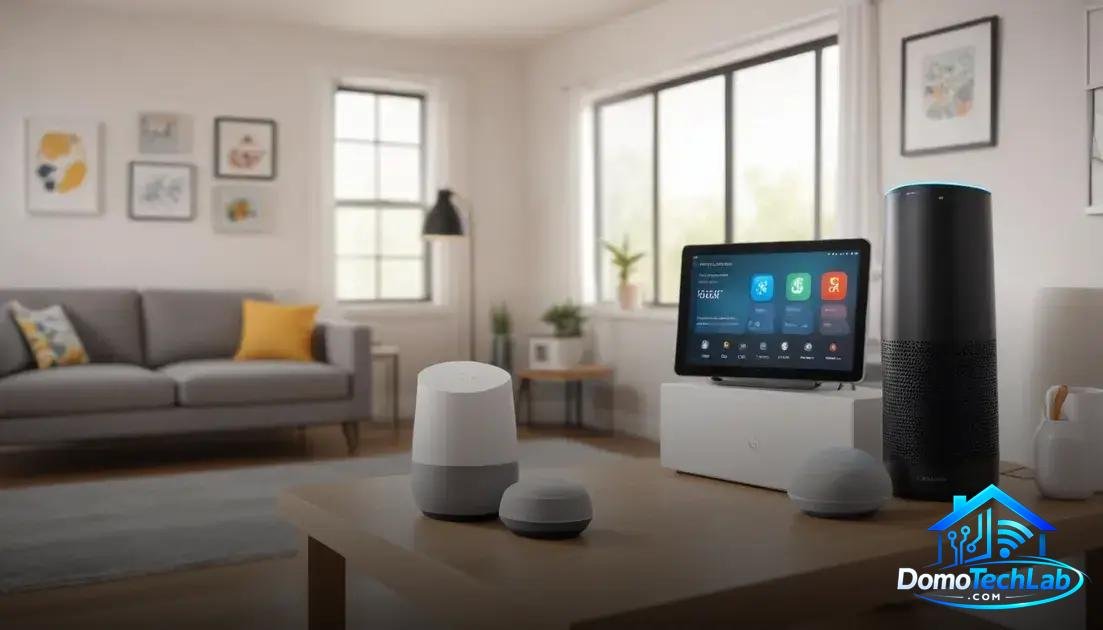
The integration of devices in a smart home is crucial for ensuring a seamless experience. Tools like Home Assistant, Alexa, and Google Home play a key role in orchestrating these ecosystems.
What is Home Assistant?
Home Assistant is an open-source home automation platform that allows you to control and customize devices from different brands through a single interface. It is ideal for users looking for a robust solution that can adapt to their specific needs.
Features of Alexa
Alexa, Amazon’s virtual assistant, allows you to control smart devices through voice commands. Its ability to integrate with a wide range of devices ensures that all elements of a connected home work in harmony.
The Google Home Ecosystem
Google Home offers a powerful platform for home automation, allowing users to manage devices through their voice or from the app. Its ease of use and the option to create custom routines are standout features that attract many users.
Performance in the Real World (Latency, Privacy, and Local Stability)
The performance of a smart home network can vary significantly depending on the protocol used and the network structure. Two critical factors to consider are latency and data privacy.
Latency in Smart Devices
In our tests, we observed that latency is significantly reduced in networks using Zigbee and Matter. When devices communicate locally, the response is almost instantaneous, enhancing user experience and enabling more effective automation.
Importance of Privacy
Privacy is a crucial aspect when implementing a smart home. Devices that rely on the cloud may be exposed to risks. Using a system that prioritizes **local automation**, like Home Assistant, allows you to maintain control over data and minimizes vulnerabilities.
Local Stability in the Network
The stability of the network is vital to ensure that all devices function correctly. The combination of protocols like Zigbee and Matter helps create a more robust network. In our lab, we have noticed that this approach reduces the likelihood of disconnections and operational failures.
Comparison with Zigbee and Thread in the Smart Home
The comparison between Zigbee and Thread in the context of a smart home reveals key differences in terms of performance, compatibility, and efficiency. Both protocols have their advantages, allowing users to make informed decisions when building their home ecosystem.
Performance of Zigbee
Zigbee is known for its stability and its mesh network, allowing devices to connect efficiently with each other, even over long distances. This makes it a popular choice for devices like smart bulbs and plugs, which require quick and reliable responses.
Efficiency of Thread
Thread also utilizes a mesh architecture but stands out for its focus on security and interoperability. Devices using Thread can communicate with one another more securely, which is an advantage in an environment where privacy is essential.
Compatibility and Future
While Zigbee has a wide range of devices available on the market, Thread is rapidly gaining ground thanks to its integration with the Matter protocol. This means that devices compatible with Thread are not only secure but also ready for greater interoperability in the future.
Conclusion: Power Your Smart Home with Local Automation
Local automation is the heart of an efficient and secure smart home. By adopting protocols like Zigbee and Thread, you are not only optimizing the performance of your devices but also protecting your privacy and enjoying a smoother experience.
At DomoTechLab, we are committed to providing you with the information and tools necessary to build an ecosystem that truly suits your needs. We encourage you to delve into our guides and resources to continue moving towards a smarter and more connected home.
Frequently Asked Questions about the Matter Protocol
Is the Matter protocol compatible with Zigbee devices?
Yes, the Matter protocol is designed to facilitate interoperability. Devices that use Zigbee can be integrated into a Matter ecosystem, as long as they have the appropriate support.
Can I use different brands of devices on the same network?
Absolutely. One of the main advantages of using protocols like Matter is that it allows devices from different brands to communicate and work together on a single network.
What challenges might I face when integrating devices?
The main challenges include compatibility between protocols, network setup, and ensuring that devices are updated with the latest firmware versions to guarantee stability and security.
Does Matter reduce latency in smart devices?
Yes, one of the goals of the Matter protocol is to improve device response by enabling more efficient local communication, which can reduce latency in automations.
Do I need a hub for Matter devices?
It depends on your network setup. Some Matter devices may function independently, but a hub can facilitate the connectivity and management of multiple devices.
Is it safe to use smart devices at home?
Security depends on the protocol and network configuration. Using local systems like Matter, which prioritize privacy and data security, is key to keeping your home safe from external threats.