A smart home hub must be compatible with protocols like Zigbee and Matter to ensure smooth integration, effective local control, and robust automation that enhances the user experience.
The smart home hub is essential for integrating and controlling your devices efficiently. Looking for stability without cloud dependency? Here, we explore options and recommendations to optimize your connected home.
Fundamentals and Protocols (Zigbee, Matter, Wi-Fi)
The fundamentals of a smart home start with choosing the right protocols. Among them, Zigbee and Wi-Fi are popular options, each with its advantages and disadvantages. Zigbee is known for its low energy consumption and its ability to create a mesh network, allowing devices to communicate with each other efficiently.
Comparative Analysis Between Zigbee and Wi-Fi
The main difference between Zigbee and Wi-Fi lies in bandwidth usage. Wi-Fi consumes more energy, which can be a drawback for small devices. In contrast, Zigbee allows for constant communication with low energy consumption, ideal for devices like smart plugs and light bulbs.
Introduction to Matter
Matter is revolutionizing the home automation landscape by promising interoperability. This technology enables different devices from various manufacturers to work together seamlessly, a crucial advancement for automation enthusiasts.
Integration and Ecosystems (Home Assistant, Alexa, Google Home)
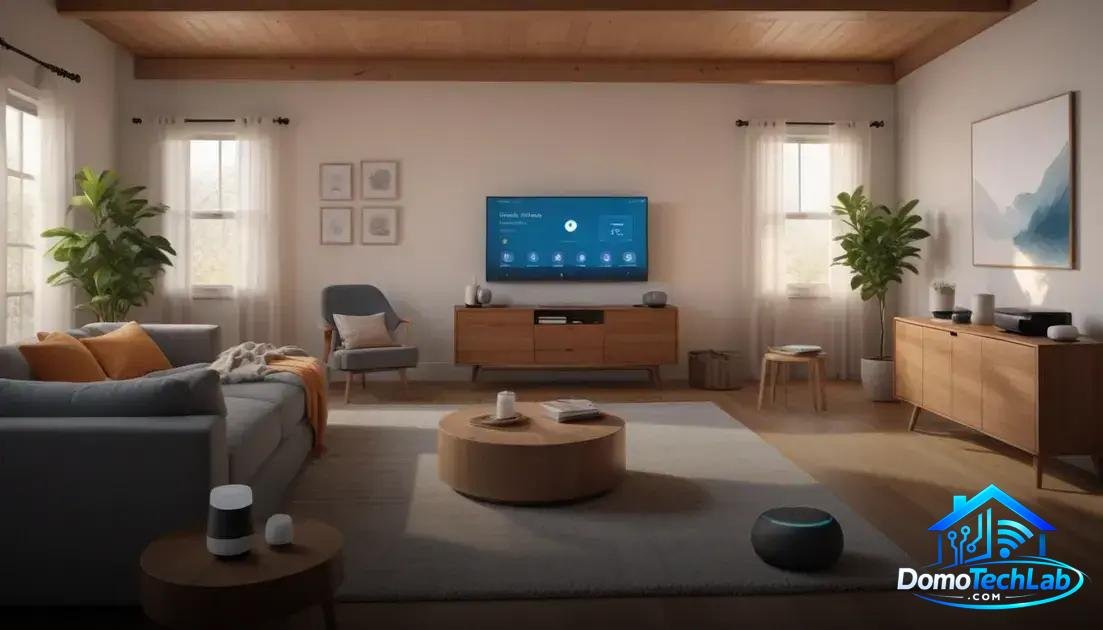
The integration of devices in a smart home is essential for effective functioning. Systems like Home Assistant, Alexa, and Google Home allow users to control a variety of devices from a single platform. This simplifies the experience, keeping everything compatible and under control.
Home Assistant: Total Customization
Home Assistant is one of the most powerful options for those seeking to customize their system. It allows for the integration of different protocols and devices, providing local control that enhances speed and privacy. The ability to create custom automations is a significant draw for home automation enthusiasts.
Alexa and Google Home: Ease of Use
The Alexa and Google Home platforms are ideal for those who prefer a more accessible system. These cloud-based solutions enable users to control their devices through voice commands. However, this dependency on the internet can be a drawback for those seeking a more robust control.
Real-World Performance (Latency, Privacy, and Local Stability)
The performance of a smart home does not only depend on the number of connected devices but also on how they interact in real conditions. Factors like latency, privacy, and local stability are critical for a satisfying experience.
Latency in Automation Systems
Latency refers to the time it takes for a device to respond to a command. In our testing, systems using Zigbee showed significantly lower latency compared to those relying on cloud solutions. This ensures that devices, like smart plugs or light bulbs, respond almost instantaneously.
Privacy Considerations
Privacy is an increasing concern in the field of smart homes. Using devices that operate with local control can reduce the risk of unwanted exposure. By keeping most operations within the local network, potential vulnerabilities associated with transmitting data to remote servers are minimized.
Local Stability: Key to Success
The stability of the network is essential for proper local automation. Devices that can communicate with each other without relying on the internet tend to offer a smoother experience. A hub that uses Zigbee can significantly enhance network stability.
Comparison: Commercial Hubs vs. DIY Solutions
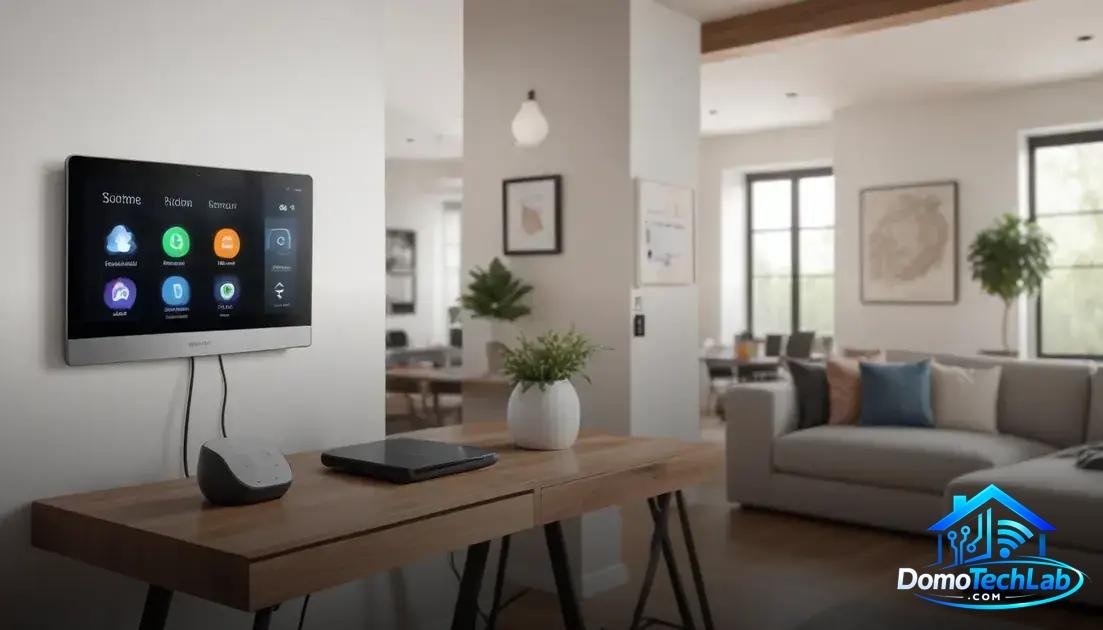
When considering home automation, it is important to choose between a commercial hub and a DIY (do it yourself) solution. Each option has advantages and disadvantages that need to be evaluated based on individual needs.
Advantages of Commercial Hubs
Commercial hubs, like those offered by recognized brands, are often easy to install and use. They come with technical support, regular updates, and an intuitive interface that simplifies setup. This makes them an excellent choice for those looking for a quick and straightforward implementation in their smart home.
Disadvantages of Commercial Solutions
However, these devices may be limited in terms of customization. Some users may find compatibility options with different protocols or devices to be restrictive. Additionally, there may be privacy concerns since many of these hubs depend on connections to external servers for operation.
Benefits of DIY Solutions
DIY solutions offer flexibility and total control. You can choose your devices and set up your hub to function exactly as you desire. Projects utilizing Home Assistant allow for integration of multiple devices regardless of their protocols, improving interoperability.
Challenges of Implementing a DIY Solution
Implementing a DIY system may require technical knowledge and time. The initial setup can be more complex, and technical support is not always available. Nonetheless, for technology enthusiasts, the satisfaction of creating a custom system can be worthwhile.
Conclusion: Power Your Smart Home with Local Automation
Local automation presents itself as the best option for those seeking total control over their smart home. At DomoTechLab, we understand that a solid foundation, structured around protocols like Zigbee and tools like Home Assistant, is crucial for achieving efficiency and security.
We encourage you to continue discovering solutions and enhance your home with automations that truly make a difference. Explore our guides and become an expert in creating a customized home environment.
Frequently Asked Questions about Smart Home Hubs
Is my smart device compatible with the hub I want to buy?
Before purchasing a hub, check if it is compatible with the protocols of your existing devices, such as Zigbee, Wi-Fi, or Matter. Most manufacturers provide compatibility lists.
What happens if my hub loses internet connection?
If your hub has local control capability, it will continue to function and handle automations for your devices without needing a cloud connection. This is crucial for maintaining operation even during internet outages.
Can I integrate devices from different brands?
Yes, but it’s necessary to verify protocol compatibility. Systems like Home Assistant allow for integration of devices from various brands, as long as those devices are compatible with common protocols.
What challenges should I consider when building a smart home?
The main challenges include device compatibility, network configuration, and information security. It is important to plan and choose devices that work well together to avoid future issues.
Is a commercial hub or a DIY solution better?
It depends on your needs. A commercial hub is easy and quick to install, while DIY solutions offer greater customization and control but require more effort and technical knowledge.
How can I ensure my smart home network is secure?
Use robust security protocols, regularly update the firmware of your devices, and change default passwords. Consider setting up separate networks for your smart devices and your main network.