
Zigbee thermostatic valves optimize heating in your home through local control, enabling thermal zoning and ensuring significant gas savings by efficiently adjusting the temperature.
Zigbee thermostatic valves are a remarkable advancement in heating automation. Tired of heating empty rooms? These valves allow for precise and effective control to maximize comfort while reducing costs.
Basics of Zigbee Thermostatic Valves
Zigbee thermostatic valves are key devices in modernizing heating systems. They use the Zigbee protocol to communicate efficiently and allow for precise temperature control in different areas of your home. This not only enhances comfort but also optimizes energy use, reducing heating costs.
Basic Operation of the Valves
These valves operate by adjusting the flow of water in radiators according to the set temperature. By integrating with a compatible hub, such as Home Assistant, you can program them to open or close based on your needs, achieving zoned and more efficient heating.
Benefits of Using Zigbee
Choosing Zigbee as the communication protocol brings significant benefits. Due to its low latency and wide compatibility, it allows multiple devices to interact seamlessly. It also offers robust security, protecting your data from unauthorized access.
Integration with Home Assistant and Alexa
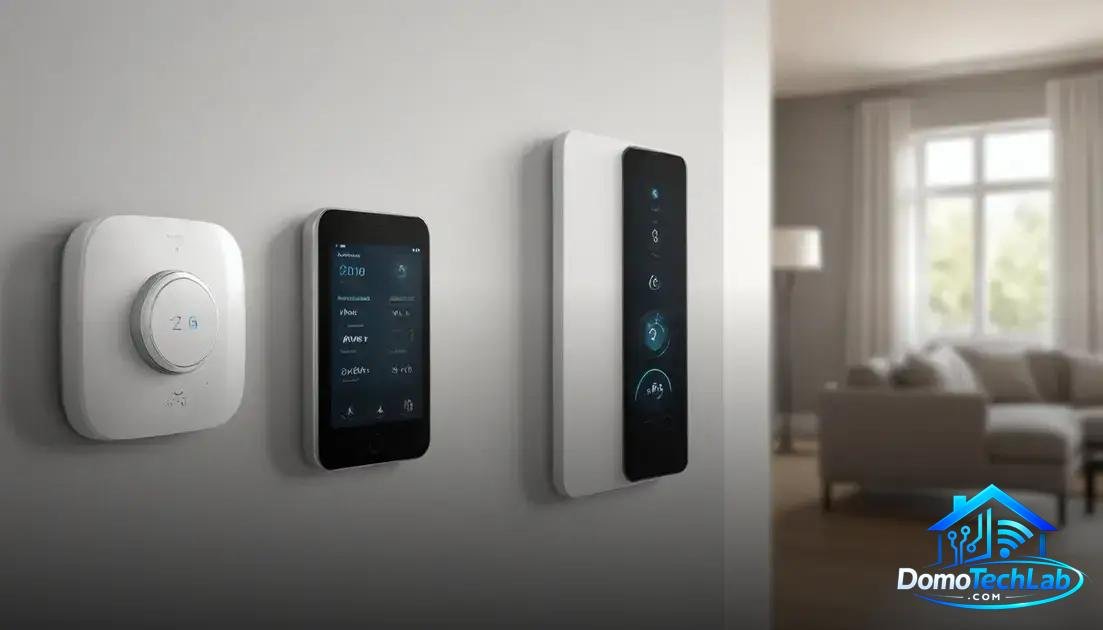
The integration of Zigbee thermostatic valves with platforms like Home Assistant and Alexa transforms the way we manage heating in our homes. Through these gateways, you can set up automations that optimize the performance of your heating system.
Setup in Home Assistant
Integrating thermostatic valves in Home Assistant is a straightforward process. You only need to add the devices to your Zigbee network and then configure the parameters from the software interface. This gives you full control of each valve from your smartphone.
Using Commands with Alexa
Connecting your valves to Alexa allows you to control heating with voice commands. You can quickly and easily adjust the temperature. This functionality enhances comfort and accessibility, making smart heating even more practical.
Gas Savings Benefits with Thermal Zoning
Thermal zoning allows for more efficient energy consumption management in homes. By using Zigbee thermostatic valves, you can heat only the rooms that actually need it, resulting in significant gas savings.
How Thermal Zoning Works
This system divides your home into different heating zones, allowing each room to have specific control over the temperature. For example, you can keep the living room warm while leaving unoccupied rooms at a lower temperature. This maximizes comfort without wasting energy.
Economic and Environmental Savings
Implementing thermostatic valves in combination with thermal zoning helps reduce your gas bill. By better meeting heating needs, you also contribute to lower energy consumption, benefiting the environment by decreasing your carbon footprint.
Local Performance of Systems with Zigbee TRV
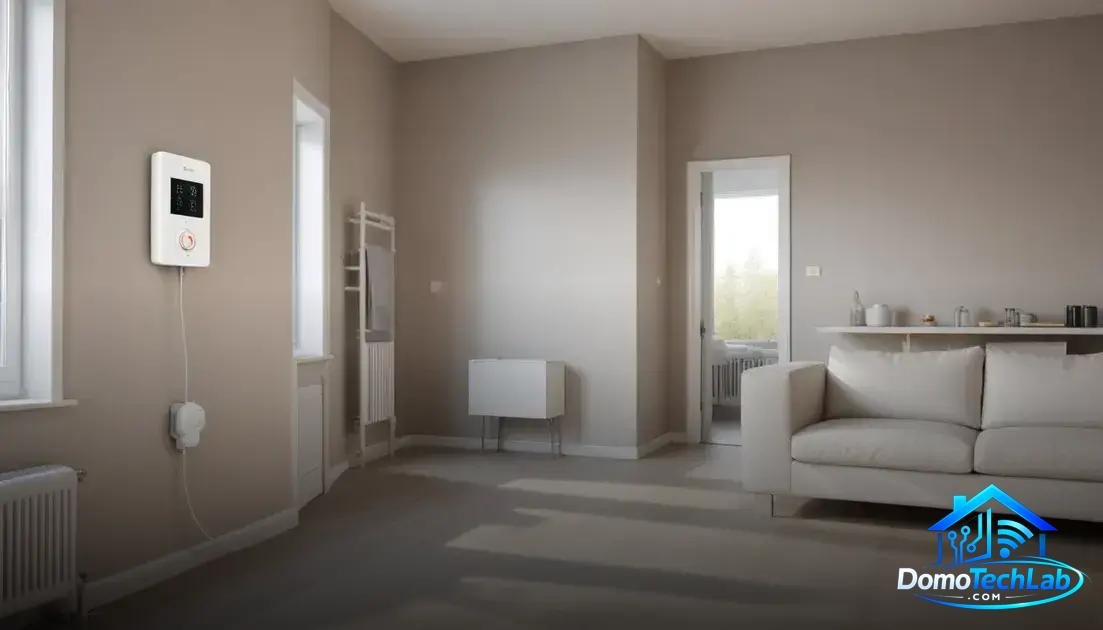
The local performance of systems with Zigbee thermostatic valves (TRV) is essential for providing effective heating control. By operating in a decentralized manner, these devices reduce latency in responding to commands and allow smoother communication among network components.
Advantages of Local Control
By not relying on external servers, the system becomes more reliable. This means that temperature adjustments are applied instantly, improving not only energy efficiency but also comfort in every room of your home.
Resilience to Internet Failures
When using Zigbee in the setup of thermostatic valves, the system continues to function even if the internet connection is lost. This ensures that your home remains comfortable, without interruptions affecting heating performance.
Conclusion: Enhance Your Heating with Zigbee Thermostatic Valves
Local automation is the key to maximizing comfort and energy efficiency in your home. At DomoTechLab, we have demonstrated how Zigbee thermostatic valves not only improve heating control but also ensure reliable performance without relying on internet connectivity.
We encourage you to continue researching the possibilities these devices offer. With the right information, you can implement solutions that transform your home into a more efficient and pleasant space.
Frequently Asked Questions about Zigbee Thermostatic Valves
Are Zigbee thermostatic valves compatible with existing systems?
Yes, many Zigbee thermostatic valves are compatible with conventional heating systems. Make sure the controller or hub is suitable for the technology you are using.
What type of hub is needed to use Zigbee thermostatic valves?
You will need a hub compatible with the Zigbee protocol, such as Home Assistant, SmartThings, or a dedicated device that supports this standard.
Can I control the thermostatic valves from a mobile app?
Yes, most systems that integrate Zigbee thermostatic valves offer mobile apps that allow for remote control and heating scheduling.
Do Zigbee valves work without an internet connection?
Yes, one of the advantages of Zigbee thermostatic valves is that they are used for local automation, meaning they operate even without an internet connection once configured.
What challenges might I encounter when installing Zigbee thermostatic valves?
The main challenges include ensuring compatibility with your existing heating system and the proper placement of the hub to maintain good Zigbee network coverage throughout the house.
Is it possible to create automated scenarios with these valves?
Yes, you can create automated scenarios that adjust the valves according to the desired schedule or weather conditions, thanks to the integration capabilities of Zigbee systems with automation platforms like Home Assistant.