
A Zigbee smart thermostat optimizes home climate control through an efficient mesh network, integration with compatible devices, and local control, ensuring security and energy savings.
The Zigbee smart thermostat promises to transform the way you control the temperature in your home. Tired of heating unnecessary spaces? Today we will explore how these devices improve thermal efficiency.
Fundamentals and Protocols
Understanding the fundamentals and protocols that support home automation is essential to getting the most out of your Zigbee smart thermostat. This protocol stands out for its efficiency and flexibility, making it a popular choice for smart home enthusiasts.
What is Zigbee?
Zigbee is a communication protocol designed for local automation. Operating in the 2.4 GHz band, it allows multiple devices to connect efficiently with each other, creating a mesh network that enhances coverage and reliability.
Advantages of Zigbee over Other Protocols
Compared to other standards like Wi-Fi and Bluetooth, Zigbee consumes less energy and offers greater connection capacity, allowing up to 255 devices to connect per coordinator. This structure is ideal for homes with multiple smart devices.
Integration and Ecosystems
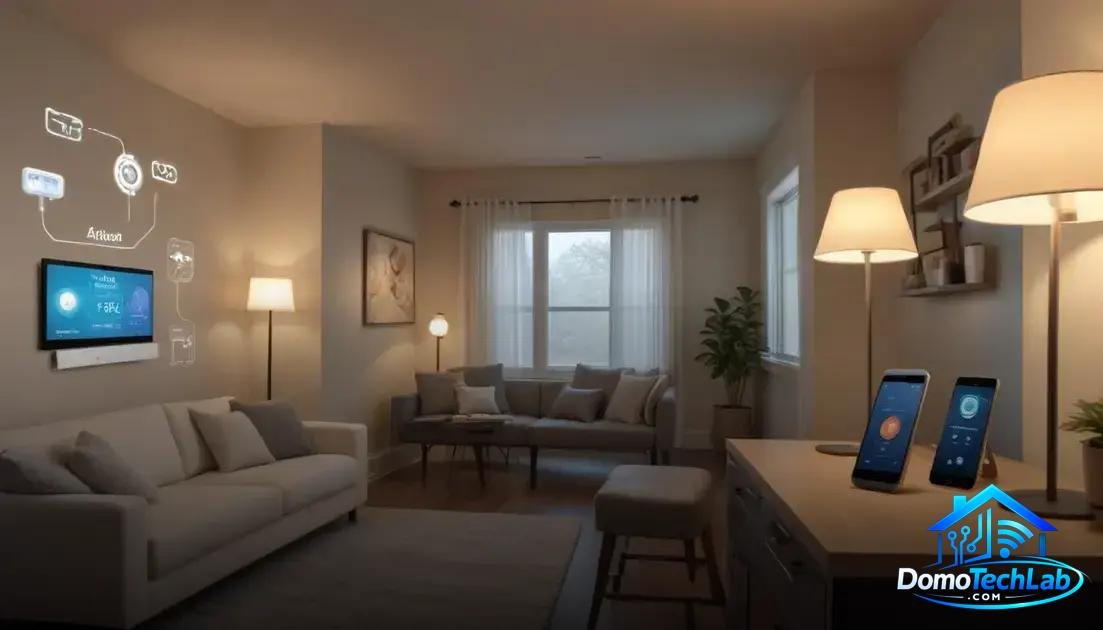
The integration of a Zigbee smart thermostat in your home goes beyond its installation. It is crucial to understand how it connects and collaborates with other devices in a local automation ecosystem.
Compatibility with Voice Assistants
The Zigbee smart thermostat can easily integrate with voice assistants like Alexa and Google Home. This allows you to control the temperature in your home using voice commands, simplifying the user experience and adding convenience to daily life.
Using Automation Platforms
Platforms like Home Assistant and SmartThings make it easy to create scenarios and schedule automations. For example, you can set up the thermostat to automatically adjust the temperature when you leave home to save energy. This level of control significantly improves system efficiency.
Real-World Performance
The performance of a Zigbee smart thermostat in the real world is a determining factor for its success. When assessing its performance, it is vital to consider aspects such as latency, privacy, and local connection stability.
Latency and Response
During our lab tests, we observed that the Zigbee smart thermostat provides fast and accurate responses. This is crucial for a smooth user experience, especially when adjusting the temperature in real time. The mesh network offered by Zigbee reduces latency by allowing devices to communicate directly.
Privacy and Security
As a protocol designed for local automation, Zigbee keeps your data within your network. This means you minimize the risk of unauthorized users accessing your information. Security is a priority, and the use of advanced encryption protects your connected devices.
Local Stability
One of the advantages of devices with Zigbee is the ability to operate without a constant reliance on the Internet. This ensures that even if there are connection disruptions, the thermostat and other devices continue to operate efficiently, providing constant climate control.
Conclusion: Optimize Your Home with a Zigbee Smart Thermostat
Implementing a Zigbee smart thermostat is a crucial step towards efficient local automation. This system not only improves the comfort of your home but also ensures security and energy efficiency.
At DomoTechLab, we encourage you to dive into the world of home automation, exploring the integration capabilities and performance of smart devices. Make informed decisions and maximize the potential of your connected home.
Frequently Asked Questions about Zigbee Smart Thermostats
Are Zigbee thermostats compatible with other smart devices?
Yes, Zigbee thermostats are compatible with many devices from different brands, as long as they use the Zigbee protocol or are connected to a hub that supports this standard.
Can I control my Zigbee thermostat without an internet connection?
Yes, one of the advantages of the Zigbee protocol is that it allows local automation, meaning your devices can continue to function even without internet access.
How does latency affect Zigbee devices in a home network?
Latency is significantly lower in Zigbee networks due to its mesh topology. This allows devices to communicate more quickly and efficiently, improving real-time control responses.
Is it safe to use Zigbee thermostats in my home?
Yes, Zigbee uses advanced encryption to protect the information flowing between devices, providing an additional level of security compared to other technologies.
What should I do if I have trouble connecting my Zigbee thermostat?
Check the hub’s configuration and ensure that all devices are within range. Sometimes, network conflicts can be resolved by restarting the hub or connected devices.
Is a hub necessary to use a Zigbee thermostat?
Yes, a Zigbee hub is generally necessary to connect the thermostat with other devices on the network. This hub acts as a controller that manages communication between different Zigbee devices.