
A smart home for seniors integrates devices such as fall sensors and remote assistance, using protocols like Zigbee and Thread to ensure safety, ease of use, and efficient connectivity in the home.
Smart Home for seniors is more than a trend; it’s a gateway to independence and security for our loved ones. Have you ever wondered how technology can make life easier for those who need it most? In this article, we explore the tools that make the home a safer and more accessible space.
Fundamentals and Protocols
Understanding the fundamentals and protocols in the realm of smart home is essential to maximize its potential. Protocols such as Zigbee, Thread, and Wi-Fi play crucial roles in the connectivity and efficiency of devices.
Zigbee: Reliability and Low Power Consumption
Zigbee is a communication protocol that offers low-power devices, ideal for sensors and smart plugs. Its network allows interaction between multiple devices, ensuring stable operation in homes with many connected gadgets.
Thread: The New Era of Connectivity
The Thread protocol is designed for device connectivity in the home. Thanks to its mesh structure, devices can communicate with each other efficiently and securely, even without a central hub. This not only improves coverage but also facilitates the integration of new devices.
Wi-Fi: Speed and Bandwidth
Finally, Wi-Fi provides a fast and wide connection, necessary for devices that require high data speeds, such as security cameras and virtual assistants. However, excessive use can saturate the network, so it is recommended to combine it with protocols like Zigbee or Thread for better resource management.
Integration and Ecosystems
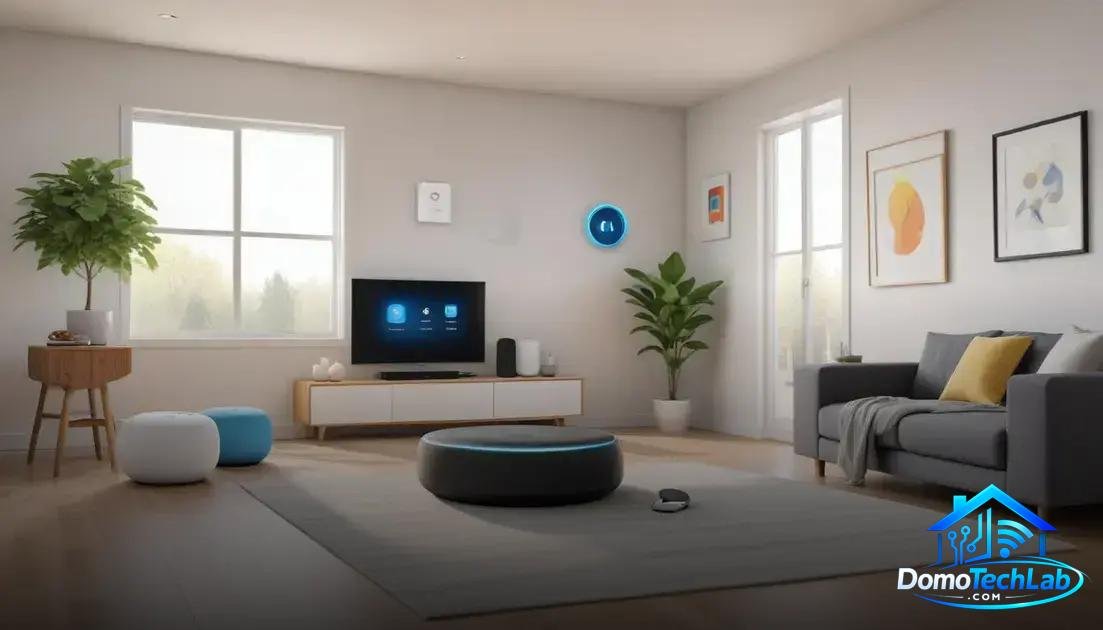
Integration and ecosystems are fundamental to creating a functional smart home. Connecting different devices and platforms allows for centralized control and a smoother experience. Platforms like Home Assistant, Alexa, and Google Home are excellent examples of this integration.
Home Assistant: Total Control in One Place
Home Assistant is an open-source platform that allows you to manage devices from different brands and protocols. Its customizable interface makes it easy to monitor and control all aspects of the home, from lights to security systems.
Alexa and Google Home: Assistants That Simplify Life
Virtual assistants like Alexa and Google Home allow users to interact with their devices through voice commands. This not only improves accessibility but also provides the opportunity to create personalized routines that automate various tasks in the home.
Compatibility and Closed Ecosystems
It is important to consider device compatibility. Some manufacturers opt for closed ecosystems that limit interaction with other devices. Choosing products that use open standards like Zigbee or Thread ensures greater interoperability and long-term flexibility.
Real-World Performance
Analyzing the real-world performance of a smart home is crucial for understanding how systems will function under different conditions. Aspects like latency, privacy, and local stability are determining factors in user experience.
Latency: The Response Speed
Latency refers to the time it takes for a device to respond to a command. In our testing, we have observed that using a system based on Zigbee or Thread results in significantly faster response times, especially compared to systems that rely solely on Wi-Fi connectivity. This is vital for applications such as security and lighting controls.
Privacy: Securing Home Data
Maintaining privacy in a smart home environment is a challenge. Connected devices transmit sensitive data, and using local controllers and protocols like Zigbee helps minimize data exposure to the outside, ensuring that the information remains within the home network.
Local Stability: Operation in Case of Internet Outage
One of the great advantages of opting for devices that operate on local networks is the stability they offer. In situations where the internet fails, systems relying on a local hub can continue functioning, allowing critical devices such as alarms and automatic lights to operate without interruptions.
Sensors and Remote Assistance
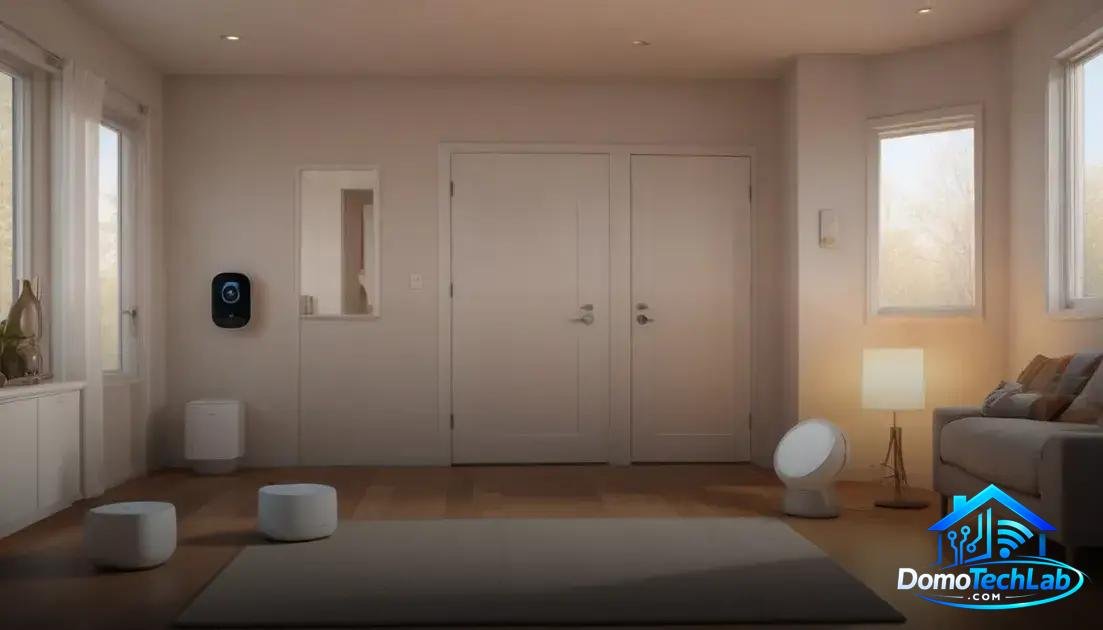
The integration of sensors and remote assistance has transformed how we manage the safety and well-being of our loved ones in a smart home. These devices are fundamental to ensuring a safe and accessible environment.
Fall Sensors: Prevention and Quick Response
Fall sensors are an important innovation in adult assistance. These devices detect falls and automatically send alerts to family members or emergency services. Their implementation not only provides peace of mind but also significantly improves response in critical situations.
Teleassistance: Connecting from a Distance
Teleassistance allows caregivers to monitor the health and environment of an elderly person. Through devices like smart bracelets, vital signs and daily activity can be tracked, enabling more proactive care and avoiding dangerous situations without the need for physical presence.
Automatic Lights and Medication Reminders
Automatic lights can turn on or off based on the presence of people, preventing falls in the dark. Additionally, systems that send medication reminders through phone notifications or alerts on smart devices help ensure that users follow their medical routines properly, ensuring their overall well-being.
Conclusion: Empower Your Smart Home with Local Automation
Diving into the world of smart home may seem daunting at first, but focusing on local automation is key to ensuring a reliable and secure system. Our experience at DomoTechLab highlights the importance of selecting protocols and devices that prioritize privacy and operational efficiency.
We encourage you to continue researching and evaluating your options to build a home that adapts to your needs. As you implement these solutions, you will not only improve your quality of life but also enjoy the peace of mind that comes from a secure environment and increasingly connect with technology.
Frequently Asked Questions about Smart Home for Seniors
What are the main compatible protocols?
The main compatible protocols include Zigbee, Thread, and Wi-Fi. The choice of protocol depends on your connectivity needs and the type of devices you plan to use.
Can devices from different brands work together?
Yes, but compatibility depends on whether the devices use open protocols like Zigbee or Thread. Always check the compatibility list of the hub or platform you choose.
Is a hub necessary to connect all devices?
A hub like Home Assistant is not always necessary, but it can facilitate integration of multiple devices, especially those that use different protocols.
What to do if a device stops working?
First, check the network connection and power supply. If the problem persists, restart the device or consult the manufacturer’s documentation for possible solutions.
How is security ensured in a smart home?
To secure your smart home, use protocols with encryption, regularly update your devices, and, if possible, opt for local controllers to minimize exposure to the internet.
What type of devices are essential to get started?
Start with a hub, smart bulbs, smart plugs, and motion sensors. These devices form the foundation of a robust infrastructure that you can expand as needed.