
Smart water savings are achieved through the implementation of technologies such as flow sensors and solenoid valves, integrating protocols like Zigbee and automation platforms like Home Assistant to optimize consumption and promote environmental sustainability.
Smart water savings has become a priority for many households seeking efficiency and sustainability. Can you imagine reducing your water bill while caring for the environment? Let’s explore how hydraulic automation can make this possible.
Fundamentals and Protocols (Zigbee, Matter, Wi-Fi)
To achieve smart water savings, it is essential to understand the different protocols that enable efficient interaction among devices. Protocols like Zigbee and Wi-Fi are fundamental in the architecture of a smart home.
Zigbee: Efficiency and Connectivity
Zigbee is a communication protocol that operates on low-power frequency bands, facilitating efficient device connectivity. Thanks to its ability to create mesh networks, devices do not rely on a single access point, increasing reliability.
Matter: New Era of Interoperability
Matter represents a significant advancement by providing a unified standard for smart devices. Its implementation promises unprecedented interoperability, simplifying the integration of diverse devices in a home ecosystem.
Wi-Fi: The Backbone of Connectivity
The use of Wi-Fi to connect smart devices remains common. While it allows high data transfer rates, its constant use can place greater strain on the network. Opting for devices that use complementary technologies ensures optimal performance without causing congestion.
Integration and Ecosystems (Home Assistant, Alexa, Google Home)
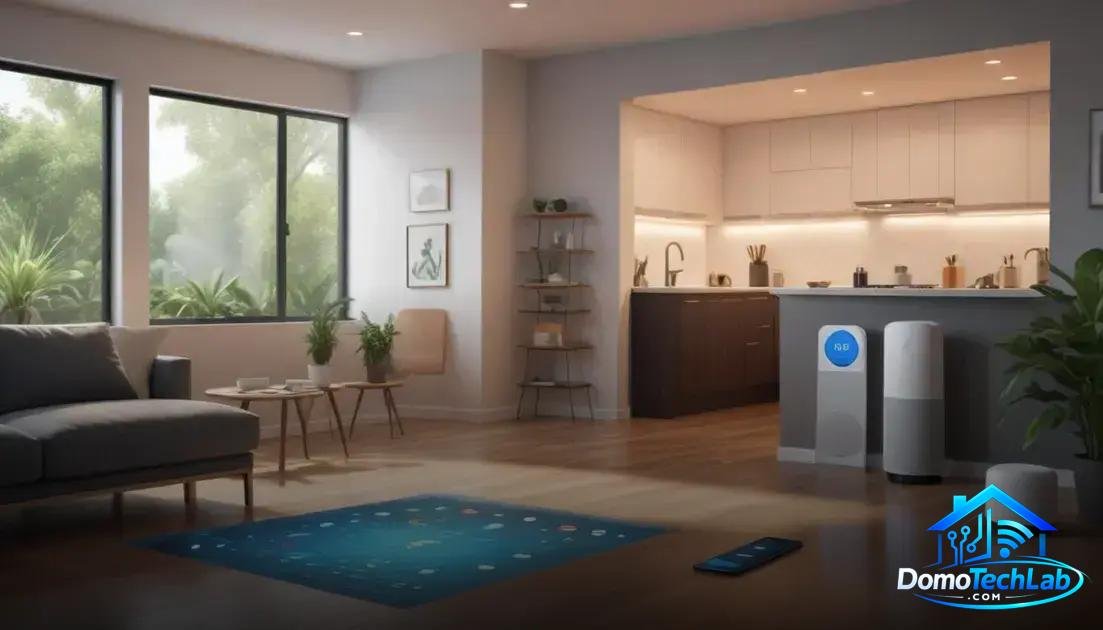
The integration of devices is a key factor in achieving effective smart water savings. Platforms like Home Assistant, Alexa, and Google Home enable centralized management of various devices, optimizing their operation.
Home Assistant: Total Control of the Home
Home Assistant is an automation platform that provides a flexible and customizable interface. Users can easily integrate devices from various brands, centralizing control and allowing customization of automations to maximize water efficiency.
Alexa: The Voice of Automation
With Alexa, you can activate different irrigation or water monitoring systems through voice commands. This functionality adds convenience and accessibility, allowing for immediate adjustments without complex interfaces.
Google Home: Interconnected Ecosystems
Integration with Google Home facilitates access to multiple devices and services. Through this platform, it is possible to establish routines that manage water consumption, optimizing schedules and usage conditions based on weather data.
Real-World Performance (Latency, Privacy, and Local Stability)
The real-world performance of a smart water savings system can be assessed through three crucial aspects: latency, privacy, and local stability. These factors determine the effectiveness and reliability of home automation.
Latency: Speed of Response
Latency refers to the time it takes for a device to respond to a command. In our tests, we found that devices operating with Zigbee exhibit significantly lower latency compared to those relying solely on Wi-Fi. This is vital for critical tasks such as controlling solenoid valves in irrigation systems.
Privacy: Data Protection
Privacy is a crucial topic when discussing local automation. Using a system like Home Assistant allows for internal data management, preventing information from being sent to external servers. This strategy not only protects personal information but also enhances user trust in the system.
Local Stability: System Reliability
Local stability refers to the ability of devices to operate without internet intervention. Systems using Zigbee devices can continue to function even if the internet connection is lost, which means you can keep monitoring and controlling water consumption without interruptions.
Environmental and Economic Benefits of Smart Water Savings
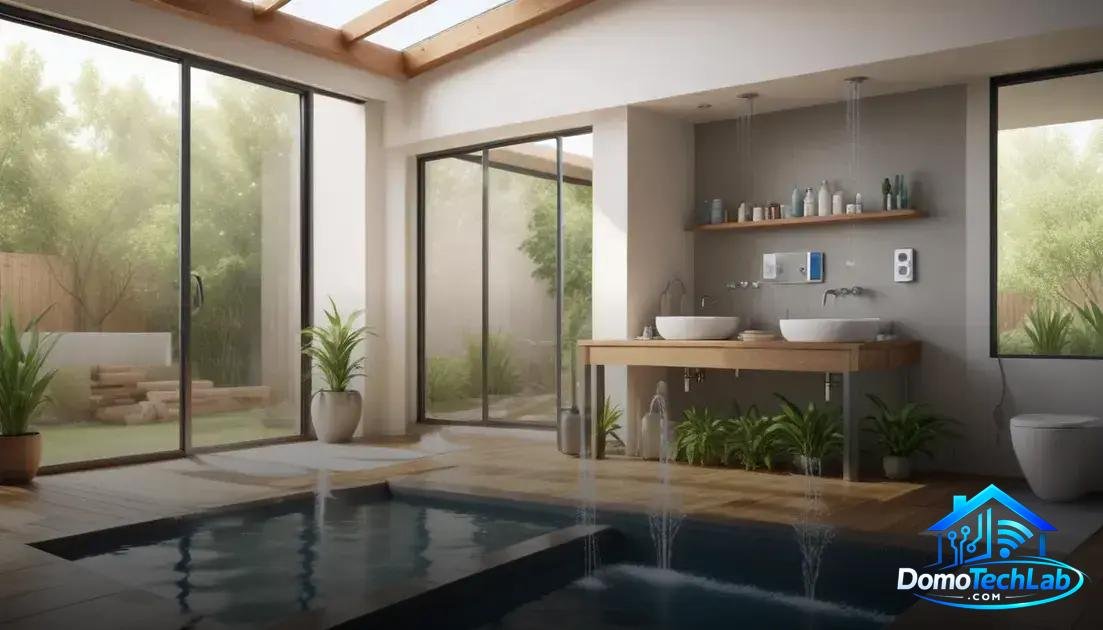
Implementing a smart water savings system not only benefits consumers but also plays a crucial role in protecting the environment. Let’s analyze the two highlighted aspects: environmental and economic benefits.
Environmental Benefits
The use of devices that optimize water consumption reduces pressure on drinking water sources. By installing flow sensors and solenoid valves, it is possible to schedule automatic irrigation just when needed, preventing waste and promoting sustainability.
Economic Benefits
Savings on the water bill become a significant incentive for households. Through efficient water management, it is possible to lower costs and even increase property value. Additionally, many cities offer tax incentives for those who implement technologies promoting water efficiency.
Conclusion: Smart Water Savings for an Efficient Home
Integrating a smart water savings system in your home is a vital step towards sustainability and efficiency. Local automation allows you to maintain complete control over water consumption, ensuring that your resources are used responsibly.
At DomoTechLab, we are committed to providing you with the necessary technical information to make informed decisions about your devices and configurations. We encourage you to implement these innovative solutions and stay informed about best practices for your smart home.
Frequently Asked Questions about Smart Water Savings
Are all water-saving devices compatible with my automation system?
Not all devices are compatible with each other. It is essential to verify the compatibility of devices with your automation hub, especially with protocols like Zigbee or Matter.
What type of sensors should I use for a water-saving system?
Flow sensors are essential for monitoring real-time water consumption. You may also consider solenoid valves that allow for automatic irrigation control.
Can I integrate devices from different brands into a single ecosystem?
Yes, but you need to ensure that the devices are compatible with your hub and that they use standard protocols like Zigbee or Matter to facilitate integration.
How does latency affect the effectiveness of a water-saving system?
Low latency is crucial for the effective operation of devices in real time. Devices connected to Zigbee networks tend to have lower latency, improving responsiveness in critical situations.
What measures should I take to protect my data privacy in a smart system?
Use automation platforms that allow local control and avoid using external servers to handle sensitive information. Storing data locally minimizes exposure risks.
What is the average initial cost to implement smart water-saving technologies?
The cost varies by devices and system complexity. However, a well-planned initial investment can generate significant long-term savings on water consumption.