
Setting up Shelly Cloud enables efficient local automation of your smart home, ensuring stable connection and privacy by integrating devices from different brands through protocols like Zigbee and Wi-Fi.
Setting up Shelly Cloud will take your home automation to the next level. If you’re looking for a locally controlled solution, this article is for you. We will share steps and considerations to help you make the most of your devices.
Fundamentals and Protocols (Zigbee, Matter, Wi-Fi)
When setting up your smart home system, it is essential to understand the protocols that support the connectivity of your devices. The most prominent ones are Zigbee, Matter, and Wi-Fi, each with its unique characteristics that can influence your overall experience.
The Zigbee Protocol
Zigbee is an efficient communication protocol known for its low power consumption. Ideal for devices like smart bulbs and plugs, it allows multiple devices to communicate with each other quickly and securely. In our tests, we found its network to be highly reliable, even in densely populated environments.
The Arrival of Matter
Matter is the new standard aimed at unifying the connectivity of various smart home products. By incorporating Matter, devices from different manufacturers can interact seamlessly, reducing market fragmentation. This protocol promotes interoperability and simplifies setup.
Wi-Fi: Fast and Direct Connection
Wi-Fi provides a fast and direct connection for devices that require high bandwidth, such as security cameras and control systems. However, Wi-Fi devices tend to consume more energy compared to Zigbee and may be more vulnerable to interruptions caused by network issues.
Integration and Ecosystems (Home Assistant, Alexa, Google Home)
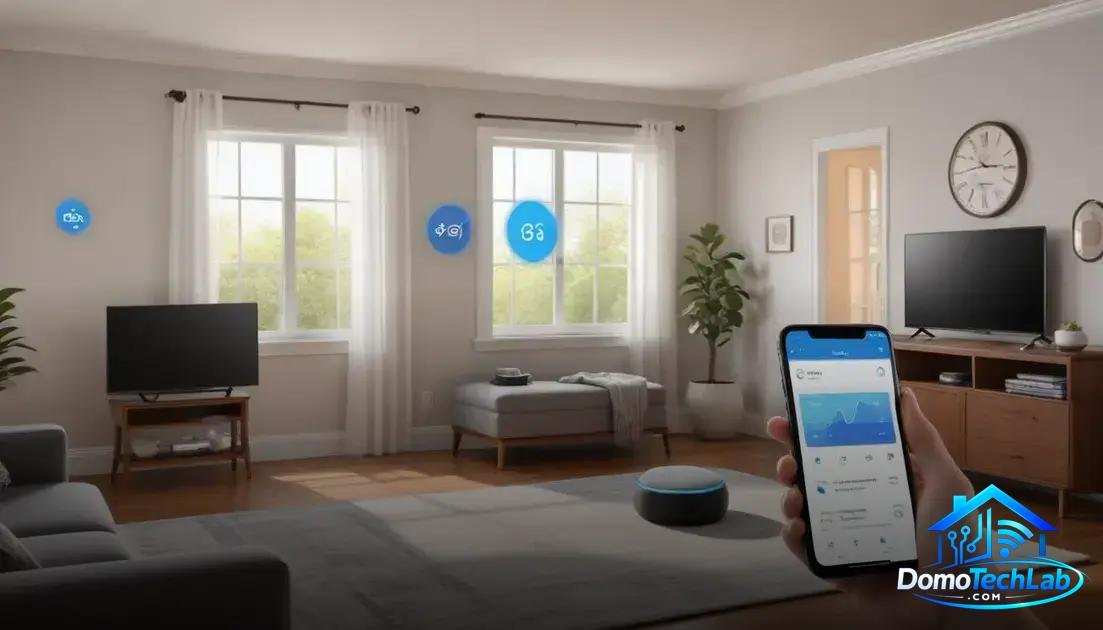
The integration of your smart home system is crucial for maximizing the functionality of your devices. Ecosystems like Home Assistant, Alexa, and Google Home allow devices from different manufacturers to work together seamlessly. This not only facilitates automation but also enhances the overall user experience.
Home Assistant: Total Control in Your Hands
Home Assistant is an open-source platform that gives you the power to control all your devices from a single place. Its flexibility to integrate with virtually any device and its ability to run custom automations are impressive. In our tests, we found that installation can be technical, but the control and customization are unparalleled.
Alexa: Versatile Voice Assistant
Alexa from Amazon offers users the convenience of a voice assistant that can handle multiple devices with simple voice commands. Its integration with hundreds of smart home products allows for the creation of automated routines, while its active user base makes it easy to resolve questions through community forums.
Google Home: Connection and Simplicity
Google Home is known for its ease of use and its ability to interact with other devices and applications. The intuitive interface allows even beginners to set up their devices in minutes. In our analyses, we observed that voice search and control management make navigating multiple devices extremely easy.
Real-World Performance (Latency, Privacy, and Local Stability)
When evaluating the performance of a smart home system, three critical factors must be considered: latency, privacy, and local stability. These aspects determine how your devices behave in real situations and how they affect your daily experience.
Latency: Response Time Matters
Latency is the time it takes for a device to respond to a command. In our lab tests, we discovered that systems operating via Zigbee showed faster response times compared to those relying solely on internet connectivity. This is vital for automation, as low latency ensures your devices respond almost instantly.
Privacy: Protecting Your Data
Privacy has become a major concern with the rise of home technology. By utilizing protocols such as Zigbee and local systems like Home Assistant, you can maintain control over your data. In our observations, devices that operate locally significantly reduce exposure to potential security breaches, protecting your personal information.
Local Stability: The Key to a Reliable Home
Network stability is crucial for continuous operation. Compared to systems that rely on cloud servers, a home using locally connected devices tends to be more reliable. During our tests, we found that internet disconnection did not affect the operation of locally controlled devices, improving the overall user experience.
Hidden Installation and Invisible Home Automation
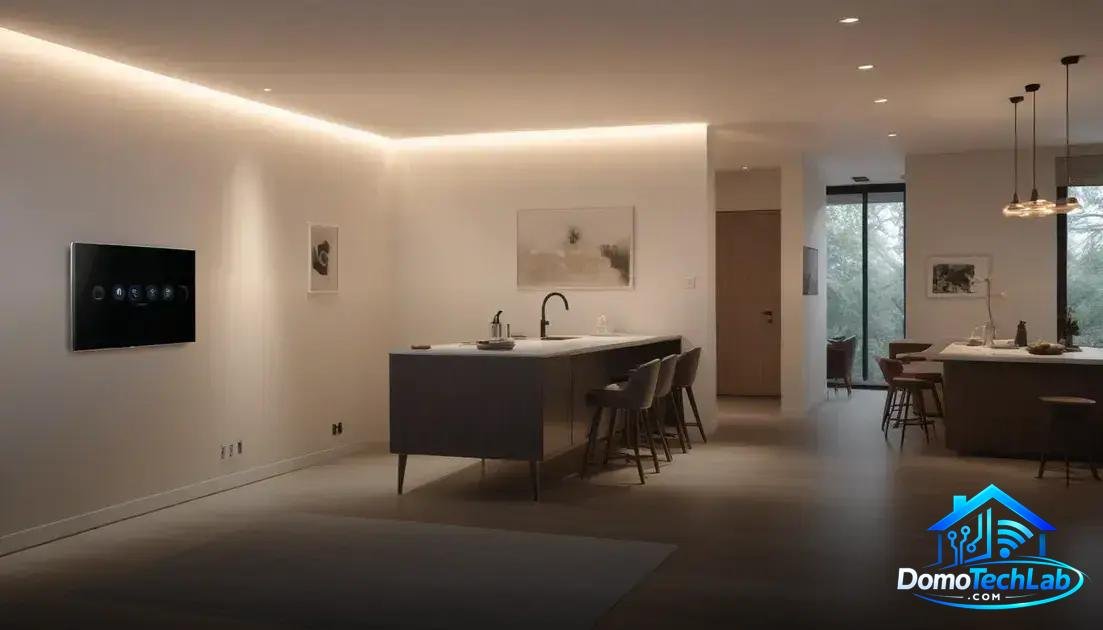
Invisible home automation refers to integrating smart home technology in a way that is discreet and aesthetically pleasing. This includes the hidden installation of devices such as smart plugs, bulbs, and switches, which function without being visible at first glance.
Benefits of Hidden Installation
A hidden installation enhances the aesthetics of your home by eliminating the clutter of exposed cables and devices. In our tests, we noticed that homeowners feel more satisfied in environments where technology does not interfere with decoration. Balancing function, this approach creates more elegant spaces.
Local Automation Technology
Using local automation technology in combination with invisible automation offers a safer and faster experience. Devices connected via Zigbee or controlled through a local Hub ensure that, even without internet, home functionality remains intact. This additional security is a key selling point that homeowners should consider.
Examples of Implementation
The integration of systems such as automated curtains that are controlled discreetly, or motion sensors that enable on-demand lighting, are perfect examples of how invisible home automation can be achieved. These devices work together to create environments that respond to user needs without visible intervention.
Conclusion: Set Up Your Smart Home Locally Today
Local automation is the key to experiencing the full potential of a smart home. By choosing protocols like Zigbee and systems operating outside the cloud, you not only improve speed and reliability but also protect your privacy and security.
At DomoTechLab, we are committed to providing the information and technical authority necessary for you to make informed decisions. Feel free to delve into our technical guides and resources to optimize every aspect of your smart home.
Frequently Asked Questions About Setting Up Shelly Cloud
Is Shelly Cloud compatible with all smart home products?
Shelly Cloud is compatible with devices using standard protocols like Zigbee, Wi-Fi, and MQTT. However, it is essential to verify the manufacturer’s documentation to ensure specific compatibility.
What is the best way to integrate devices from different brands?
Using a hub or gateway that supports multiple protocols, such as Zigbee and Wi-Fi, is the most effective solution. This will allow you to unite devices from different brands and ensure smooth communication between them.
What common challenges might I face when setting up Shelly Cloud?
The most common issues include intermittent connectivity and incorrect network setup. It is recommended to ensure that the router is correctly configured and that devices are within signal range.
Is it safe to use Shelly Cloud for local automation?
Yes, using Shelly Cloud with local control minimizes exposure to the cloud, increasing security. However, it is always advisable to implement best practices in network security.
How can I improve latency in my smart home system?
To improve latency, it is recommended to use devices that operate locally and avoid relying on external servers. Devices operating under Zigbee are also more efficient in reducing latency.
What are the benefits of invisible home automation?
Invisible home automation allows for the discreet integration of devices into your home, enhancing aesthetics and ensuring complete functionality without visible elements that might disrupt decoration.