
Smart WiFi plugs enable effective local automation, optimizing energy savings and scheduling while ensuring quick and efficient control of devices without relying on an Internet connection.
Smart WiFi plugs transform the way we interact with our devices. Imagine controlling everything from your smartphone without depending on the cloud. Let’s analyze these devices and their impact on energy efficiency.
Fundamentals and Protocols (Zigbee, Matter, Wi-Fi)
The foundation of any effective smart home is understanding the different communication protocols. Each has its advantages and disadvantages, and selecting the right one can make the difference between a smooth installation and a troublesome one.
Zigbee Protocol
The Zigbee protocol is widely used for its energy efficiency and ability to create mesh networks. This means that devices not only connect directly but can also relay signals to each other. As a result, the range is extended, and network stability is improved, ideal for homes with multiple devices.
Matter Protocol
Matter has emerged as a unifying standard that allows interoperability among different platforms and devices. By adopting Matter, manufacturers and consumers receive a more cohesive experience, avoiding the issue of incompatibility between devices from different brands.
Wi-Fi Connections
On the other hand, devices using Wi-Fi can offer high data transmission speeds. However, since they rely on Wi-Fi networks, they can experience interruptions if there is congestion or bandwidth limitations. This is critical when considering a smart plug that requires quick responses for effective automation.
Integration and Ecosystems (Home Assistant, Alexa, Google Home)
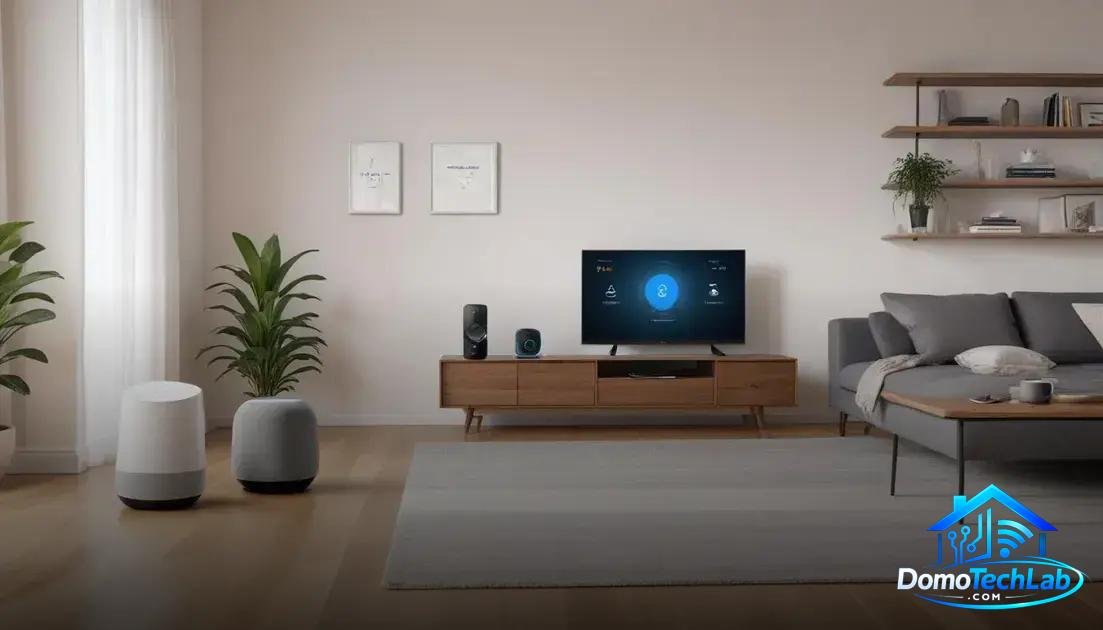
The integration of smart devices is essential to optimize functionality in a smart home. Platforms like Home Assistant, Alexa, and Google Home allow users to manage multiple devices from a single interface, providing convenience and effective control.
Home Assistant
Home Assistant is one of the most versatile platforms, allowing local automation without relying on external clouds. This not only enhances privacy but also ensures that your devices continue to function even if the Internet connection is interrupted. Users can customize their experience, integrate different brands, and create complex automations that go beyond the basics.
Alexa
Alexa provides a voice assistant that interacts with a wide range of connected devices. Its ease of use and compatibility with many brands make it an attractive option. You can easily control your smart plugs with voice commands, thus creating a more accessible and dynamic home.
Google Home
On the other hand, Google Home offers a similar experience, with the advantage of robust integration with Google services. Utilizing voice commands allows for a more natural and fluid control of your devices. Setting up scenes and routines is straightforward, enhancing the user experience in daily life.
Real-World Performance (Latency, Privacy, and Local Stability)
The real-world performance of automation devices is a crucial factor for a satisfying experience. Aspects like latency, privacy, and local stability play a significant role in the functioning of smart plugs.
Latency
Latency refers to the time it takes for a signal to travel from the controller to the device. In our tests, we noticed that latency can vary significantly among different protocols. For example, devices operating on Zigbee typically offer faster responses compared to those relying solely on Wi-Fi, improving the user experience during interaction with the devices.
Privacy
Privacy is another important concern. Users want their data to remain secure and away from prying eyes. By using platforms like Home Assistant, which allows local control, the need to send sensitive data to the cloud is reduced. This way, personal information is protected, and a greater level of trust in automation technology is achieved.
Local Stability
Local stability is essential to ensure that your devices operate properly even in the absence of an Internet connection. Implementing a system that operates locally reduces dependence on external servers. This results in a more reliable environment, as devices can communicate with each other without interruptions, ensuring that automations continue to function even during connection outages.
Energy Savings and Scheduling
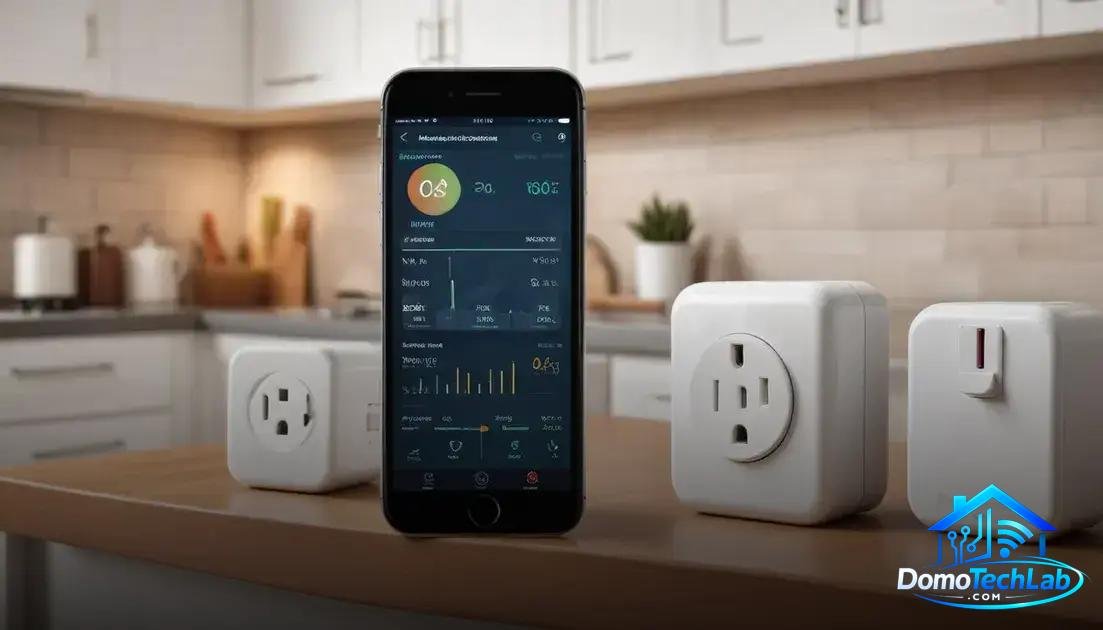
The use of smart plugs not only facilitates device control but also leads to significant energy savings. Through scheduling, you can optimize the operation of your appliances to reduce unnecessary consumption.
Energy Savings
Implementing a local automation system allows users to monitor the energy consumption of each device. With this information, you can identify which appliances are the most wasteful and adjust their usage. For example, setting schedules to turn on and off devices that consume energy in ‘standby’ can lead to a noticeable decrease in your electricity bill.
Scheduling
Scheduling is a key feature offered by many smart plugs. It allows setting specific times for devices like lights, appliances, or heating systems to automatically turn on or off. This not only increases efficiency but also helps create a more comfortable environment in your home, activating devices only when you actually need them.
Conclusion: Optimize Your Home with Smart WiFi Plugs
Local automation transforms the way we interact with our devices, offering not only convenience but also energy efficiency and total control over our environment. At DomoTechLab, we believe the key lies in choosing the right protocols and configurations that suit your specific needs.
We encourage you to continue researching and delving into the world of smart plugs and local automation. Each informed decision brings you closer to a smarter and more connected home, where technology works in your favor.
Frequently Asked Questions about Smart WiFi Plugs
Are smart plugs compatible with all devices?
Not all smart plugs are compatible with all devices. It is essential to check compatibility with the specific protocols of each appliance before purchasing.
What happens if my Internet connection is interrupted?
Smart plugs that operate with local automation, such as those using the Zigbee protocol, will continue to function even without an Internet connection, which is crucial for maintaining control over your devices.
Can I control my smart plugs from different platforms?
Yes, as long as the plugs are compatible with third-party services like Alexa, Google Home, or Home Assistant. Check the product documentation to ensure compatibility.
How easy is it to integrate new devices into an existing system?
Integration is usually straightforward, especially if you use a central hub like Home Assistant. Just follow the setup procedures provided by each device.
What types of problems might I encounter when using smart plugs?
Common issues include incompatibilities between protocols, latency in responses, or network interference. It is advisable to keep your firmware updated to resolve many of these issues.
Is it safe to use smart plugs at home?
Yes, as long as you follow best security practices, such as changing default passwords and implementing separate networks for IoT devices. The security of your data is paramount.