
Zigbee security is crucial for local automation, providing efficient communication between devices, low energy consumption, and robust encryption measures that protect privacy in the smart home.
Zigbee security is a critical topic for those looking to protect their devices in the smart home. How secure is your network? Let’s investigate how to implement effective measures and avoid vulnerabilities.
Fundamentals and Protocols
To build a solid foundation in Zigbee security, it is essential to understand the protocols that support it. Zigbee stands out for its energy efficiency and its ability to communicate in mesh networks, allowing devices to communicate with each other without a central router.
Communication Protocols
Protocols such as Zigbee, Thread, and Wi-Fi form the heart of home automation. Each of them has unique characteristics: Zigbee is known for its low energy consumption, ideal for battery-operated sensors and devices.
Mesh Networks
Mesh networks allow Zigbee devices to relay signals to each other. This means that even if one device fails, communication can continue through other devices, increasing the reliability of the network.
Integration and Ecosystems
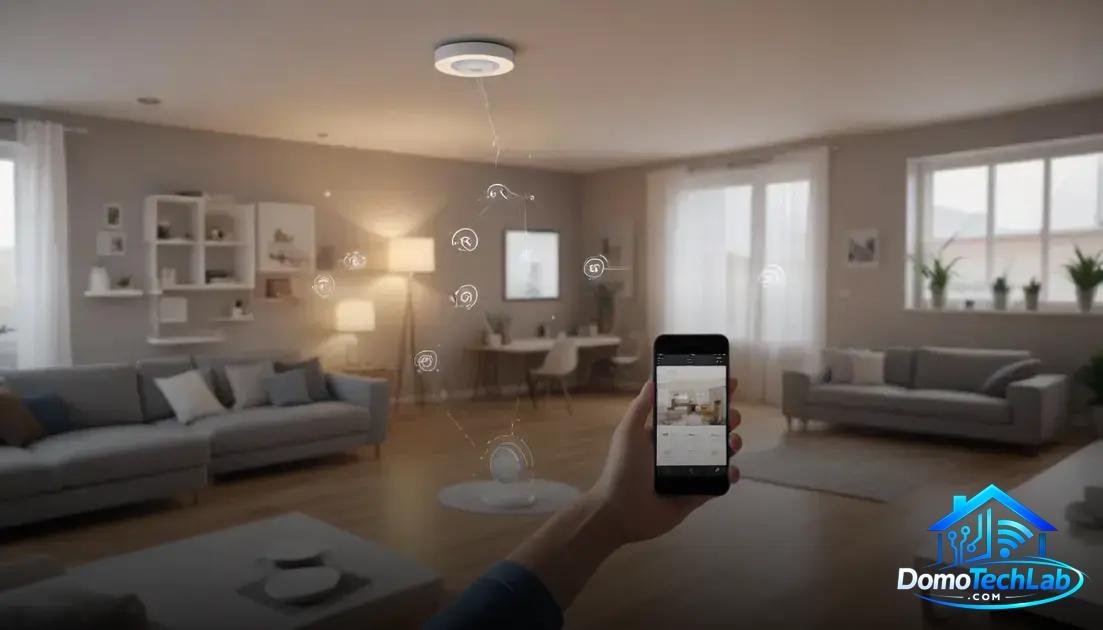
The integration of devices in a smart home ecosystem is essential to maximize their functionality. By using technologies like Zigbee, robust networks can be created that allow efficient communication between different devices.
Home Assistant and Its Role
Home Assistant is one of the most popular platforms for managing smart devices. It offers a user-friendly interface to control everything from lights to thermostats, facilitating local automation and remote control.
Interoperability with Voice Assistants
Integrating Zigbee devices with voice assistants like Alexa and Google Home enhances the user experience. The ability to control devices with voice commands makes home management even more accessible and efficient.
Real-World Performance
Evaluating the real-world performance of Zigbee devices is crucial to understanding their effectiveness in a smart home environment. Our lab tests cover factors such as latency, data privacy, and local network stability.
Latency and Response
Zigbee devices exhibit minimum latency compared to other technologies. Under optimal conditions, the response of a switch can be nearly instantaneous, which is vital for security and automation applications.
Privacy and Data Security
Security is a concern in home automation. Communication uses AES-128 encryption, which helps protect personal information transmitted over the network.
Local Stability
One of the benefits of Zigbee is its ability to keep operating even in the event of an internet connection failure. This local stability ensures that devices such as bulbs and sensors continue to function without interruptions.
Best Practices in Security
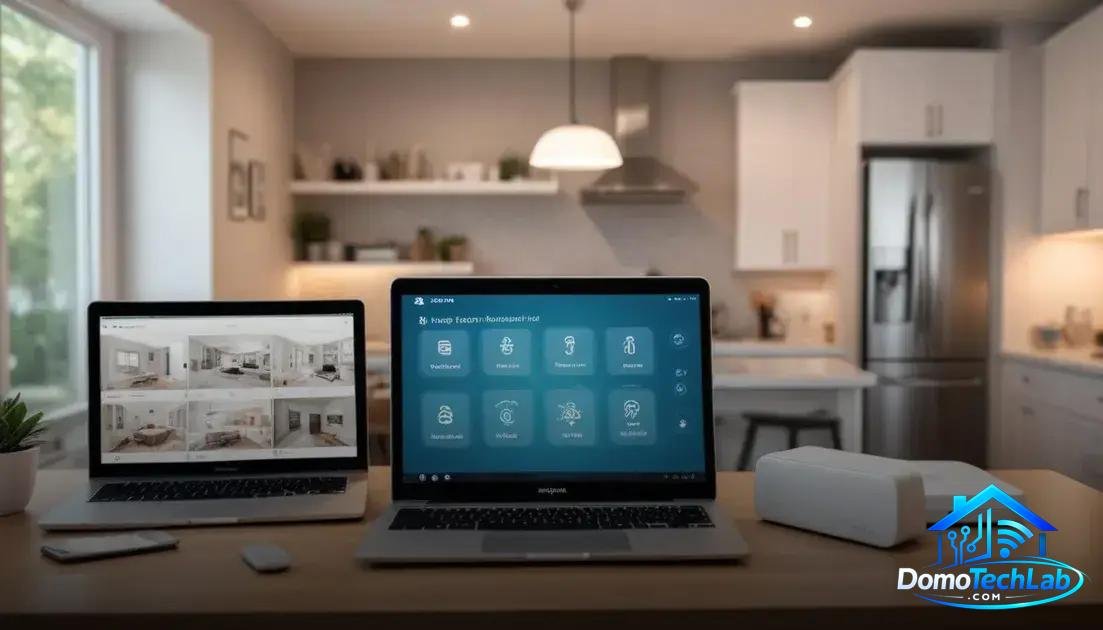
Implementing best practices in security is essential to protect your smart home based on Zigbee. As technology advances, so do threats, making it crucial to keep your network secure.
Firmware Update
Devices such as smart plugs and light bulbs receive periodic security updates. Make sure all your equipment is always up to date to close known vulnerabilities.
Secure Network
It is advisable to set up a separate network for your Zigbee devices. This isolates your main home network and reduces the risk of unauthorized access from more vulnerable devices.
Data Encryption
Use devices that implement encryption such as AES-128, ensuring that the transmitted information is secure. Checking the security of the network is vital to protect the privacy of your data.
Conclusion: Secure Your Smart Home with Zigbee Security
The world of local automation offers countless advantages, from improving energy efficiency to creating a secure environment. At DomoTechLab, we understand the importance of establishing a robust network that prioritizes both functionality and security.
We encourage you to apply best practices and stay informed about the best solutions on the market so that your smart home is not only practical but also secure. Explore and discover how you can optimize your technological experience!
Frequently Asked Questions about Zigbee Security
Is Zigbee compatible with all home automation devices?
Not all devices may be compatible with Zigbee. It is crucial to verify the device compatibility with the Zigbee protocol and whether they work with your gateway or hub.
How can I improve the security of my Zigbee network?
Improve security by using AES-128 encryption, setting up a separate network for your Zigbee devices, and keeping firmware updated to close any security gaps.
What should I do if my Zigbee device does not connect?
First, check that the device is within range of the Zigbee gateway. If the problem persists, try rebooting the device and the gateway, and ensure both are on their latest firmware version.
Does Zigbee offer options for local automation?
Yes, one of the biggest benefits of Zigbee is that it allows local automation, meaning that devices can communicate with each other without relying on an internet connection.
What challenges might I face when implementing Zigbee?
Challenges include interoperability issues between different brands, the need for a compatible hub, and potential interference from other Wi-Fi devices on the network.
What type of devices are ideal for a Zigbee network?
Devices that need to consume low energy, such as motion sensors, smart lights, and smart plugs are ideal for a Zigbee network, as they maximize network efficiency.