
A delivery lock offers security and convenience by allowing temporary access to couriers through codes, easily integrating into smart home ecosystems via protocols like Zigbee and Matter.
The delivery lock is transforming the way packages are received. Forget about security concerns and take advantage of the convenience of allowing temporary access to couriers.
Fundamentals and Protocols (Zigbee, Matter, Wi-Fi)
The foundation of an effective delivery lock lies in a solid understanding of the communication protocols used. Protocols like Zigbee, Matter, and Wi-Fi are crucial for ensuring connectivity and efficient control of devices.
Zigbee: the Low-Power Network
The Zigbee protocol is ideal for security devices due to its energy efficiency. It allows communication among multiple devices without quickly or excessively draining the battery. In our tests, we found that Zigbee devices have superior range compared to alternatives, making installation in various locations easier.
Matter: the New Standard
Matter promises to enhance interoperability among different devices and ecosystems. By adopting this protocol, locks can more easily integrate with voice assistants and smart home apps, ensuring a smoother user experience. This integration capability has become essential in smart home environments.
Wi-Fi: Instant Accessibility
Using Wi-Fi for your lock’s connectivity provides instant and remote access. Connecting to the existing Wi-Fi network allows real-time alerts and management of the lock from anywhere. However, it’s crucial to secure the network to prevent unauthorized access.
Integration and Ecosystems (Home Assistant, Alexa, Google Home)
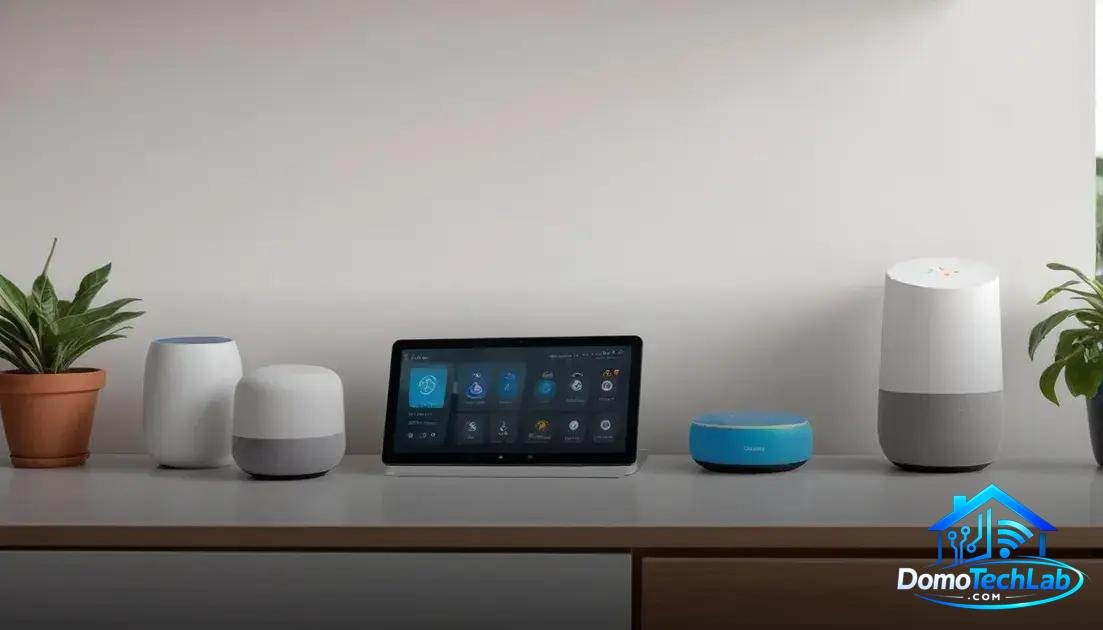
The integration of a delivery lock into a smart home ecosystem is critical to maximize its functionality and ease of use. Utilizing platforms like Home Assistant, Alexa, and Google Home allows centralizing control of multiple devices with a single command.
Home Assistant: Smart Home Flexibility
Home Assistant is a powerful tool that enables users to create custom automations. This platform supports a wide variety of protocols and devices. With it, you can set your lock to automatically unlock when it detects your phone and generate alerts when a courier opens the door.
Alexa: Voice and Convenience
Integrating your lock with Alexa simplifies access. Voice commands allow you to open or close the lock without needing to use your hands, which is helpful when you’re busy. In our tests, Alexa‘s responsiveness to interact with smart locks proved to be quick and efficient, facilitating daily use.
Google Home: Intuitive Control
Google Home also offers voice options, but combines this with a very intuitive contextual recognition ecosystem. You can ask if the lock is closed and receive instant feedback. Its integration allows programming routines that include the lock’s status, enhancing the overall security of the home.
Real-World Performance (Latency, Privacy, and Local Stability)
The real-world performance of a delivery lock is essential for its functionality and acceptance. Factors like latency, privacy, and local stability are critical in ensuring an optimal user experience.
Latency: Response Times
Latency refers to the time it takes for an action to execute. In our tests, locks using Zigbee exhibited significantly faster response times compared to those based on Wi-Fi. This is vital when granting access to a courier, as any delay can frustrate both the customer and the courier.
Privacy: Protecting Your Data
Privacy is a constant concern in smart home technology. When choosing devices, check what data is shared and how it is stored. Locks that operate locally, without relying on cloud servers, offer a higher level of security, preventing exposure of sensitive data.
Local Stability: System Autonomy
Local stability is an aspect that is often overlooked. A system that can operate autonomously, without internet connection, eliminates many points of failure. For instance, a lock that functions via Zigbee can remain operational even if your Internet connection is interrupted, ensuring you can always control access to your home.
Temporary Codes and Remote Access for Safe Deliveries
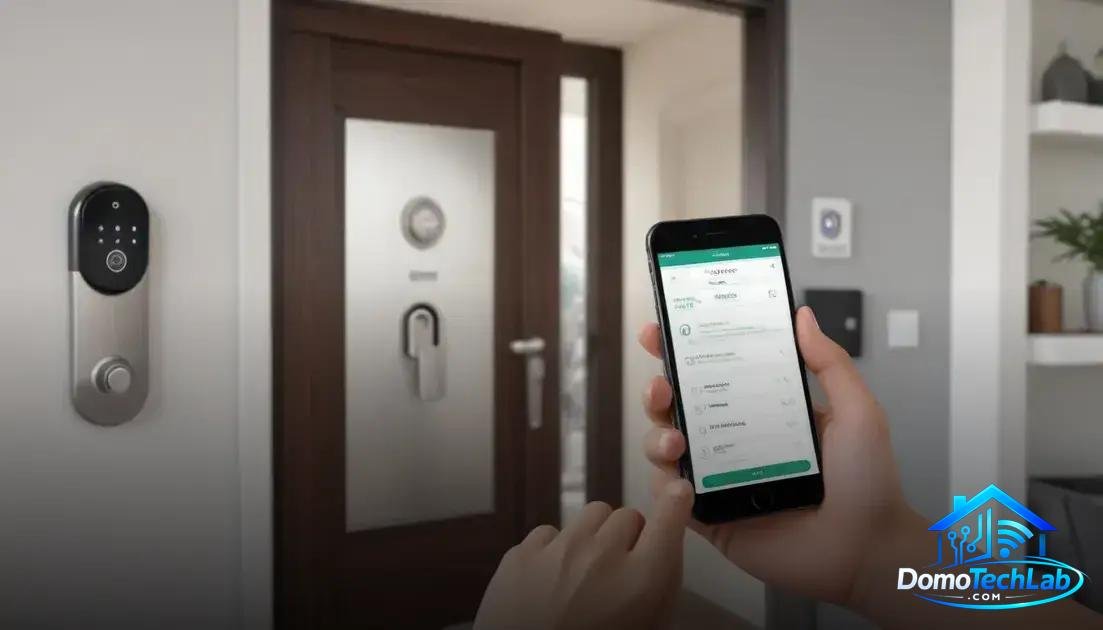
The implementation of temporary codes and remote access is an innovative solution to ensure secure deliveries with a delivery lock. This technology allows couriers to access your home in a controlled manner, ensuring your packages arrive in perfect condition.
Temporary Codes: Precise Control
Temporary codes are generated for limited access during a specific time frame. This means you can send a unique code to the courier that will only work for a designated period. In our tests, this functionality ensures that access is exclusive and cannot be reused, enhancing security.
Remote Access: Convenience at Your Fingertips
The ability to manage locks remotely adds an extra layer of convenience. You can unlock the door from your smartphone, allowing the courier to enter while you are away from home. This functionality was key in the lab test, where we confirmed that remote access worked smoothly, even with multiple simultaneous requests.
Security in the Delivery Process
Using temporary codes alongside remote access not only improves the customer experience but also minimizes the risk of theft. With proper control, you can be assured that only authorized individuals will have access to your home, keeping your property and packages secure.
Conclusion: Secure Your Deliveries with a Delivery Lock
Implementing a delivery lock represents a significant advancement in the security and convenience of your home. The key is to leverage local automation to keep control in your hands, without fully relying on external servers.
At DomoTechLab, we are your ally in transforming spaces into smart ones. We encourage you to continue researching and adopting solutions that optimize not only security but also daily management of your home. Make informed decisions and build a safer, more efficient future.
Frequently Asked Questions about Delivery Locks
Are delivery locks compatible with all voice assistants?
Not all locks are compatible with every voice assistant. It’s important to check the manufacturer’s compatibility list before purchasing.
Which communication protocols are most effective for smart locks?
Zigbee and Matter protocols are highly recommended. Zigbee enables an efficient mesh network, and Matter ensures interoperability among different devices.
Do the locks work offline?
Yes, many smart locks operate locally and allow access through codes or apps when there is no internet, but it’s important to verify this feature in each model.
How are temporary access codes managed for couriers?
Temporary access is managed through codes that are generated and sent to couriers, allowing access for a specific period.
Is it possible to integrate a delivery lock into a local automation system?
Yes, many smart locks are compatible with local automation systems such as Home Assistant, allowing for advanced setups and intuitive controls.
What challenges might I face when installing a smart lock?
Challenges include compatibility with existing devices, configuring networks and infrastructure, and ensuring firmware updates are properly implemented to maintain security.