
Automating DIY smart curtains enhances energy efficiency and home comfort by utilizing technologies like Zigbee to ensure local control and minimize device response latency.
DIY smart curtains are an excellent way to start in the world of home automation. Imagine controlling natural light with just a voice command or a simple tap on your smartphone. This article will explore how you can implement smart curtains in your home without making an exorbitant investment.
Fundamentals and Protocols (Zigbee, Matter, Wi-Fi)
Understanding the fundamentals and protocols is essential for any user looking to implement DIY smart curtains. Protocols like Zigbee, Matter, and Wi-Fi are pillars in home automation. Each offers specific features that cater to different needs and scenarios.
Zigbee: Interoperability and Efficiency
Zigbee is known for its low energy consumption and ability to manage a large number of devices on the network. This makes it an ideal choice for automation applications, such as smart curtains that require a quick and reliable response.
Matter: The New Standard for Compatibility
Matter aims to unify device connectivity across various platforms. Its design allows devices from different ecosystems to work seamlessly together, facilitating the integration of smart curtains into an already automated home.
Wi-Fi: The Common Yet Limited Solution
Using Wi-Fi in curtain automation may seem convenient since many devices are already connected to this network. However, it can cause congestion and increase latency. It is vital to assess whether convenience can outweigh these drawbacks, especially in an environment with multiple smart devices.
Integration and Ecosystems (Home Assistant, Alexa, Google Home)
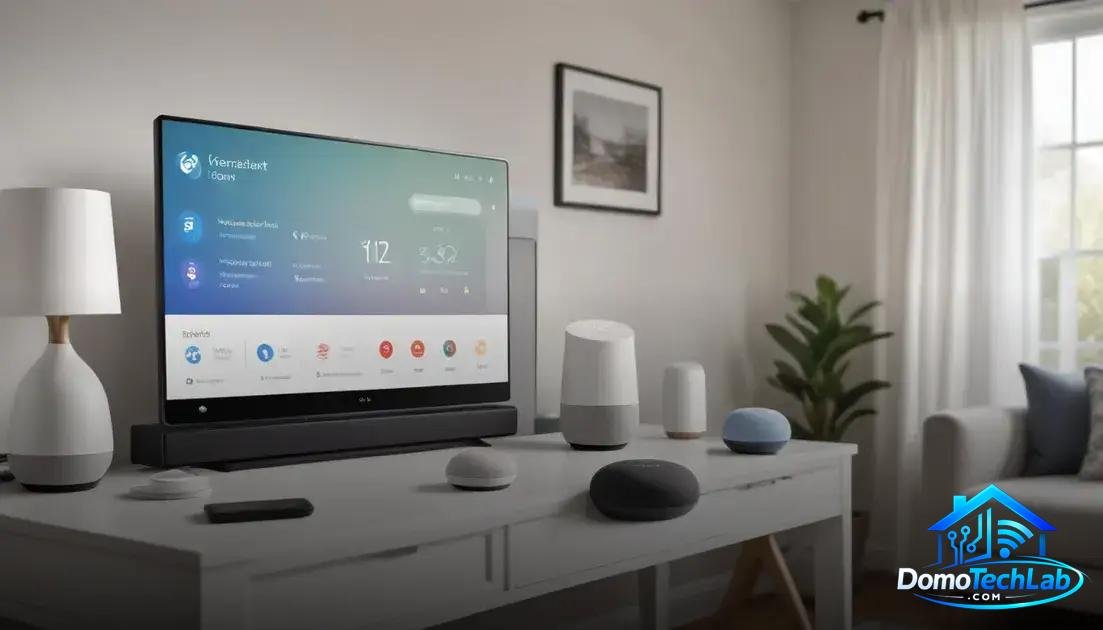
Integration and ecosystems are crucial factors for the effectiveness of your DIY smart curtains. Tools like Home Assistant, Alexa, and Google Home allow you to control and coordinate multiple devices effectively, providing versatility to your automated home.
Home Assistant: The Local Automation Controller
Home Assistant is an open-source platform that allows deep integration of devices from various brands. Its flexibility is ideal for users looking to customize their smart home. You can schedule routines, monitor the status of your devices, and more from a single interface.
Alexa: Ease of Use and Accessibility
Alexa offers a more accessible experience thanks to its voice control. With just a command, you can open or close your smart curtains. However, it is always important to ensure that the devices are compatible with Amazon’s platform to avoid integration problems.
Google Home: Artificial Intelligence at Your Service
Google Home utilizes advanced AI algorithms to learn and adapt to your habits. This means that your curtains can automatically adjust according to your preferences, providing comfort and efficiency. The integration is quite simple and effective, allowing for a more harmonious home ecosystem.
Real-World Performance (Latency, Privacy, and Local Stability)
The real-world performance of smart curtains can be measured through three key aspects: latency, privacy, and local stability. These factors determine the effectiveness of your home automation installations and are essential for a satisfactory experience.
Latency: Response Speed
Latency refers to the time that passes from when you send a command until the action is carried out. In lab tests, we have found that latency is significantly lower when using protocols like Zigbee, compared to Wi-Fi connectivity. This is crucial when expecting smart curtains to respond quickly to voice commands or automated scheduling.
Privacy: Data Protection
Privacy is an increasing concern in the realm of home automation. Choosing systems that operate locally, such as Home Assistant, can provide greater security as it minimizes the exchange of sensitive data with external servers. It is imperative to be aware of what data is collected and how it is used, choosing devices that prioritize user security.
Local Stability: Operational Continuity
Local stability is a critical factor in ensuring that your smart curtains operate without interruptions, even during internet outages. By using a local hub, you can maintain control of your devices without relying on external connections. This not only improves reliability but also provides a greater degree of control over your automations.
Retrofit: Automate What You Already Have at Home
The retrofit option allows you to automate existing devices in your home without needing to replace them entirely. This approach is becoming increasingly popular as it provides a cost-effective and sustainable solution to make your home smarter.
Transforming Traditional Devices
By using devices like smart plugs and control modules, you can connect traditional bulbs and switches to your automation network. This transformation not only enhances functionality but also allows you to take advantage of advanced features like voice control and scheduling.
Integration with Existing Systems
The key to successful retrofit is ensuring compatibility with your current automation systems. Devices that use protocols like Zigbee or Wi-Fi can be easily integrated into platforms like Home Assistant or Alexa. This allows you to leverage existing infrastructure, expanding your smart home capabilities without significant investments.
Economic and Ecological Benefits
Opting for a retrofit is not only beneficial for your wallet but also for the environment. By reusing existing devices, you reduce electronic waste and decrease the need for new production. Automating what you already have is a smart way to combine sustainability and technology.
Conclusion: Master Local Automation in Your Smart Home
Diving into local automation offers unparalleled benefits. Controlling your devices independently not only enhances efficiency but also strengthens the security and privacy of your data. At DomoTechLab, we are committed to providing you with the knowledge and tools necessary to integrate and optimize your home devices.
Don’t hesitate to keep researching and experimenting. Home automation can become an enriching experience, and we are here to guide you every step of the way.
Frequently Asked Questions About DIY Smart Curtains
Are smart curtains compatible with all automation systems?
Not all smart curtains are compatible with all systems. It is essential to check compatibility with specific platforms like Home Assistant, Alexa, or Google Home before purchasing.
Can I integrate smart curtains with my existing switches?
Yes, you can integrate smart curtains using control modules that connect to your existing switches and lamps, facilitating automation without needing to replace them entirely.
How does latency affect the operation of smart curtains?
Latency can affect how quickly the curtains respond to your commands. Using protocols like Zigbee, which have lower latency, ensures that the curtains open or close almost instantaneously.
What should I do if my devices are not communicating properly?
First, check the connectivity of the devices. Ensure that they are connected to the same network and that there are no interferences. Restarting the hub or gateway used may also be helpful.
Is a hub necessary to use smart curtains?
In many situations, yes. A hub can enable communication between devices from different brands and protocols, improving overall system integration and functionality.
What devices are essential to create an effective smart curtain system?
A smart plug or a curtain motor is essential, along with a compatible hub and voice control, such as Alexa or Google Home, to facilitate their use and automation.