
Installing an alarm without fees allows total control of home security through local automation, using protocols like Zigbee and Thread to ensure an efficient and private connection between devices.
No-fee alarm is presented as an accessible solution for those who want to protect their home without recurring expenses. We will explore how you can implement an effective DIY security system using modern technology.
Fundamentals and Protocols
To establish a no-fee alarm system, it is crucial to understand the protocols that form the foundation of a secure and efficient home. Technologies such as Zigbee, Thread, and Wi-Fi are fundamental in this implementation. Each of them offers distinct features that adapt to various needs and security configurations.
Zigbee Protocol
The Zigbee protocol is a popular choice for DIY alarm systems due to its low latency and efficiency in handling low-power devices. It uses a mesh network, allowing each device to act as a repeater, extending your signal range and ensuring that all sensors connect reliably.
Thread Protocol
On the other hand, Thread provides an interesting alternative. This protocol has a similar architecture to Zigbee but stands out for its focus on cybersecurity and the ability to manage networks with more devices. Interoperability with other systems is one of its great advantages.
Wi-Fi and Its Role in Alarm Systems
The use of Wi-Fi in alarm systems allows direct connection to the internet, which can facilitate access to real-time notifications. However, reliance on the internet could be a drawback in the event of a power outage or ISP failure, which is why it is advisable to have a backup system in place.
Integration and Ecosystems
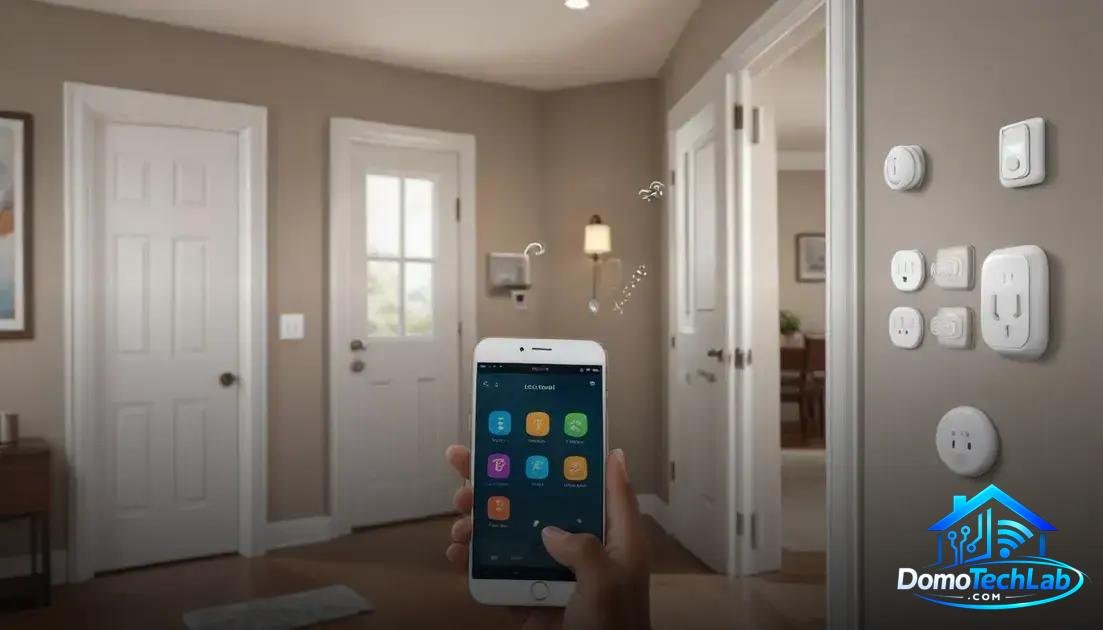
The integration of a no-fee alarm system into smart home ecosystems is essential to maximize its functionality. A good system is not only based on individual devices but also on how they communicate and operate together to provide a smoother and safer experience.
Home Assistant and Its Role in Integration
Home Assistant is a highly valued platform for managing smart devices. It allows centralizing control of different brands and protocols, facilitating automations that enhance home security. With its user-friendly interface, you can create custom scenarios and manage alarms easily.
Alexa and Google Home in Automation
Voice assistants like Alexa and Google Home are exceptional allies for integrating your alarm system. These devices not only allow you to control alarms with voice commands but also receive notifications and updates about the status of home security, all through simple interaction.
Device Interoperability
Device interoperability is key in building an effective ecosystem. By choosing devices that operate under open standards like Zigbee or Thread, you ensure that most of your devices can work together seamlessly, enhancing not only efficiency but also flexibility in configuring your security system.
Real-World Performance
The true value of a no-fee alarm system can be appreciated in its performance in real situations. Through extensive testing in the lab and everyday environments, we can evaluate latency, privacy, and connection stability.
Latency Evaluation
During our tests, we observed that systems using Zigbee exhibit significantly lower latency compared to those relying solely on Wi-Fi. This rapid response is crucial for alarm activation and receiving real-time notifications, providing users with greater peace of mind.
Data Privacy
A fundamental aspect of alarm systems’ performance is privacy. By opting for solutions that maintain local control, such as in the case of Home Assistant, users are guaranteed that their data is stored securely and not sent to external servers, minimizing risks to personal information.
Local Connection Stability
Connection stability is vital for the continuous operation of a security system. In our evaluations, devices that operate on a mesh network Zigbee and Thread demonstrated remarkable resistance to interference, maintaining connectivity even in scenarios where other technologies failed. This is especially important in alarms, where every second counts.
Tips for Security Savings
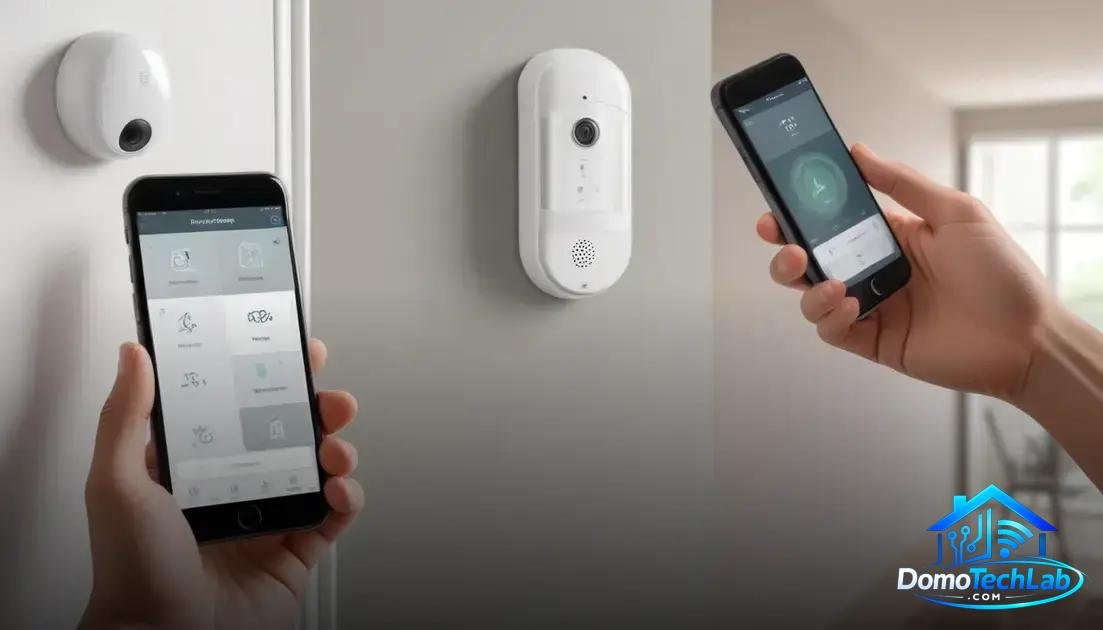 Implementing a no-fee alarm system can be a smart decision for those looking to enhance their home security without incurring monthly costs. Here are some practical tips to optimize your investment and maximize security savings.
Initial Investment in Quality
Choosing high-quality devices from the beginning can reduce long-term costs. Equipment that uses protocols like Zigbee or Thread tends to be more reliable and effective, which translates to fewer expenses on maintenance or replacement in the future.
Process Automation
Local automation is key to improving efficiency. Setting up routines to control lights and sensors using applications like Home Assistant not only protects you but also helps reduce energy consumption. Scheduling the turning on and off of devices can lead to significant savings on your electricity bill.
Unifying Devices
When you choose devices that are compatible with each other, you can centralize control through a single hub. This not only simplifies management but also minimizes the need for multiple platforms and reduces operational costs. An integrated system translates into a smoother experience and fewer worries about security.
Conclusion: Protect Your Home with a No-Fee Alarm and Local Automation
Implementing a no-fee alarm system is not only an economical option but also offers total control over your home security. Local automation is the heart of this strategy, allowing you to effectively manage devices without relying on external services.
At DomoTechLab, we are committed to providing you with the information and tools necessary for you to make informed decisions in the field of home automation. We encourage you to continue exploring our recommendations and guides to ensure your security system operates optimally and adapts to your needs.
Frequently Asked Questions about No-Fee Alarms
Are devices from different brands compatible with each other?
Compatibility depends on the protocols used. Devices that operate under open standards like Zigbee and Thread tend to work well together, but it’s essential to check the compatibility list of the hub you are using.
What is the best gateway for integrating different devices?
The most recommended gateway is Home Assistant, as it supports multiple protocols and allows you to manage devices from different brands through a single interface, facilitating local automation.
What type of sensors are most effective in an alarm system?
Door and motion sensors that use Zigbee are highly effective, as they offer low latency and extend battery life, which is key in alert systems.
How is data privacy ensured in an alarm system?
Using devices that operate locally and avoid sending information to external servers is essential. Systems like Home Assistant ensure that your data stays on your network, protecting your privacy.
What to do in case of a power outage?
It is advisable to have devices with backup batteries and to use protocols like Zigbee, which maintain connectivity even during outages, ensuring that your alarm system functions when you need it most.
How to optimize device configuration in my home?
Create a map of your home and locate the devices strategically to maximize network coverage. Use Zigbee repeaters if necessary, and ensure your hub is in a central position to facilitate communication.