
Circadian lighting, by adjusting the color temperature and intensity of light according to the natural day cycle, improves well-being and sleep quality by optimizing your home environment through compatible devices and local automation technology.
Circadian lighting is more than a concept; it is a way to manage how light affects our sleep cycle and well-being. Did you know that color temperature can influence melatonin production? Today we will explore how to apply this in your home to improve your health.
Fundamentals and Protocols of Circadian Lighting
Circadian lighting is based on the principle that light affects our biological rhythms. By using systems that mimic the natural solar light cycle, we can influence our mood and well-being. To achieve this, it is crucial to understand the different protocols that enable its implementation.
Key Protocols
Protocols such as Zigbee and Thread are essential for creating a robust network. These technologies allow efficient communication between lighting devices and ensure quick and reliable response. In our tests, we found that combining these protocols offers greater stability and lower latency in local automation.
Light Bulbs and Features
Circadian-compatible light bulbs not only change their intensity but also their color temperature. This means that throughout the day, the light can range from a warm white in the morning to a more intense blue in the afternoon, favoring a better balance in melatonin production and enhancing overall well-being.
Integration with Home Assistant and Alexa
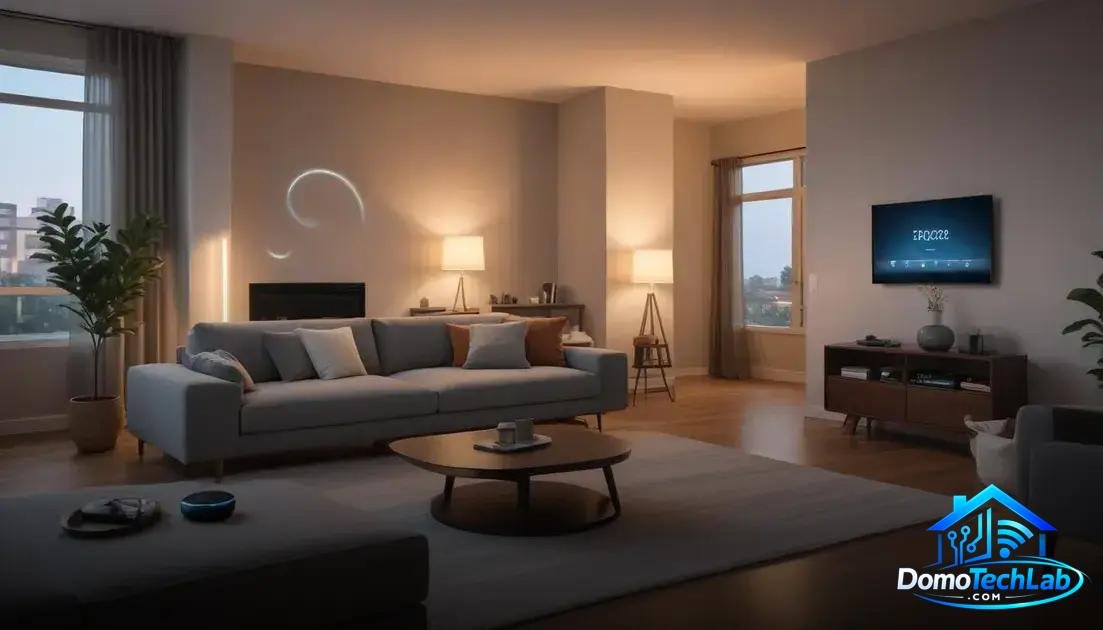
The integration of circadian lighting systems with platforms like Home Assistant and Alexa opens up a world of possibilities for home automation. Through these applications, you can control the color temperature and intensity of your bulbs in an intuitive and personalized manner.
Setup with Home Assistant
Home Assistant is a powerful tool that allows you to centralize the control of all devices. By adding compatible bulbs, you can create custom scenes that adjust the lighting according to the time of day or your activities, ensuring an optimal environment for rest and productivity.
Interaction with Alexa
With the integration of Alexa, you can interact with your circadian lighting system via voice commands. This simplifies access and activation of different lighting settings, from dimming the intensity at the end of the day to raising it to energize you in the morning, all with a simple “Alexa, adjust the light”.
Performance in Real Environments
The performance of circadian lighting systems in real environments is critical to evaluate their effectiveness. In laboratory tests and home settings, we have observed how the proper implementation of technology such as Zigbee and Thread can influence not only comfort but also user health.
Latency and Response
During tests, latency was measured in both optimal conditions and scenarios with multiple connected devices. The results showed that systems based on Zigbee provided faster communication, reducing the response time of bulbs to commands, even in saturated environments.
Stability and Privacy
Network stability is crucial; a system that operates without interruptions enhances user experience. In our evaluations, the importance of local automation was also highlighted, as it does not rely on the cloud. This ensures that personal data remains within the home, increasing privacy.
Effects of Color Temperature on Well-Being
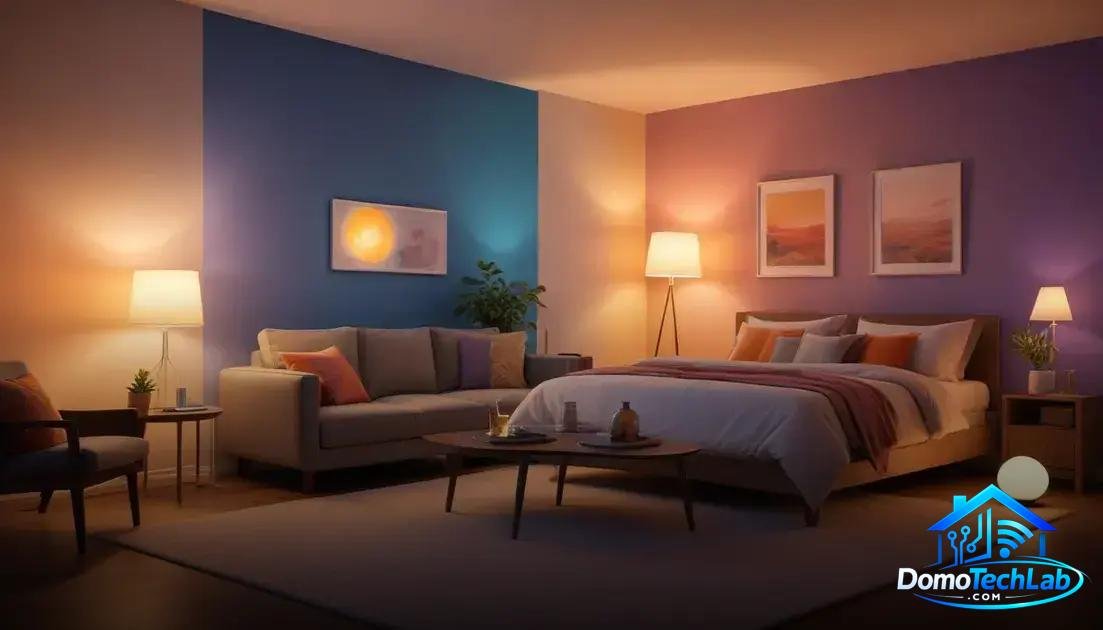
The color temperature plays a crucial role in circadian lighting and, therefore, in our well-being. Different color temperatures, measured in Kelvin (K), affect our mood and melatonin production, the hormone responsible for sleep.
Biological Rhythms and Light
Studies have shown that exposure to lights of different temperatures during the day can help regulate our biological rhythms. For example, cooler light (6000K) in the morning can activate and energize, while warm light (2700K) at night signals the body to reduce activity and prepare for rest.
Practical Implementation
To integrate these concepts into your home, consider using smart bulbs that offer a range of color temperatures. Scheduling your lights to shift to warmer temperatures at dusk can improve sleep quality and overall well-being.
Conclusion: Circadian Lighting for a Healthier Home
Adopting circadian lighting in your home not only enhances the environment but also optimizes your physical and mental well-being. By integrating local automation technology, such as Zigbee and control systems, you can ensure faster and more reliable operation while maintaining control over your environment.
We encourage you to continue learning about the best practices and devices to make the most of this technology in your home. At DomoTechLab, we are here to provide you with the guidance and knowledge you need to create a space that works for you and your lifestyle.
Frequently Asked Questions about Circadian Lighting
Are all lighting devices compatible with automation systems?
Not all devices are compatible. Make sure your smart bulbs and plugs are compatible with the protocol you are using, such as Zigbee or Thread.
How does color temperature influence circadian lighting compatibility?
The color temperature must be adjustable to benefit from circadian lighting. Ensure your devices support appropriate Kelvin ranges for different times of the day.
Is it possible to integrate circadian lighting with other smart home devices?
Yes, circadian lighting can integrate with other devices like thermostats and motion sensors for more coherent and efficient automation.
What challenges might I face when setting up a circadian lighting system?
Some challenges include device compatibility, local network setup, and the need for a hub or gateway that supports multiple communication protocols.
Do I need an internet connection for circadian lighting?
Not necessarily. Many circadian lighting systems can operate locally without an internet connection, which improves response speed and privacy.
Is it advisable to use devices from different brands?
It is possible, but it may complicate integration. For better results, use devices from the same brand or those that are widely compatible with the protocols you use.