
Indoor air quality can be significantly improved by integrating air purifiers and sensors into a local automation system, allowing for effective monitoring and control of CO2 and PM2.5 levels.
Indoor air quality directly affects your health and productivity. Did you know that high levels of CO2 can interfere with your sleep and concentration? Let’s explore why it’s crucial and how you can improve it in your home.
Fundamentals of Indoor Air Quality
Indoor air quality refers to the mixture of gases, particles, and chemical compounds present in the air we breathe within enclosed spaces. It is essential to understand that this air is not always as clean as it seems. Often, it is contaminated by particles like dust, mold, and volatile organic compounds (VOCs), which can have adverse effects on respiratory health.
Common Pollutants
Some of the most common pollutants include PM2.5 particles and gases such as carbon dioxide (CO2). PM2.5 particles are so small that they can penetrate the lungs and, in some cases, even enter the bloodstream. CO2, when it accumulates at high levels, can cause drowsiness and reduced concentration.
Sources of Indoor Pollution
The main sources of these pollutants can be cleaning products, furniture, or even outdoor air entering the home. For example, certain types of paints and finishing products emit VOCs that can elevate indoor air pollution. It is important to consider these factors when assessing the air quality in your home.
Methods to Improve Air Quality
Implementing air purifiers with appropriate technology can be an effective solution. Some models are specifically designed to filter PM2.5 particles and VOCs, providing a healthier environment. Additionally, promoting ventilation and using indoor plants can contribute to maintaining cleaner air.
The Impact of CO2 and PM2.5 Particles on Health
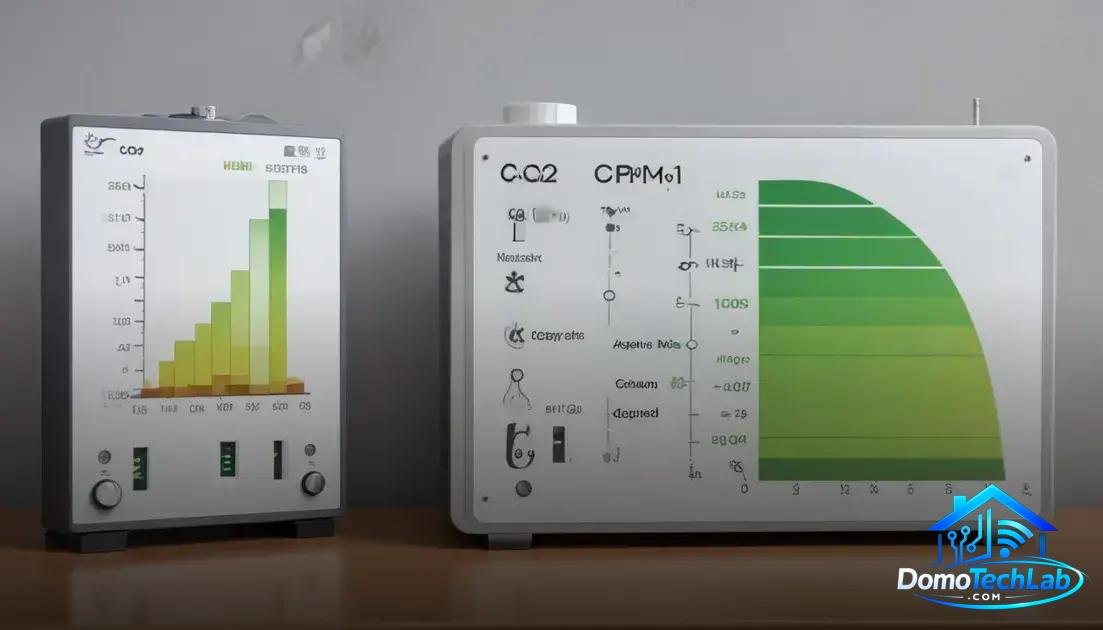
CO2 and PM2.5 particles are two of the most concerning pollutants in indoor air quality. Although they may not be visible, their presence can severely affect the health of individuals inhabiting the space. Understanding their impact is essential for taking effective measures.
Effects of CO2 on Health
Increased levels of CO2 can cause symptoms such as fatigue, dizziness, and concentration problems. In enclosed environments, these levels can rise quickly, especially when many people are in a small space. Maintaining good ventilation is essential to mitigate these adverse effects.
Consequences of PM2.5 Particles
PM2.5 particles are particularly dangerous because they can penetrate the lungs and circulatory system. This can result in respiratory problems, cardiovascular diseases, and exacerbate pre-existing conditions like asthma. Long-term exposure to these particles can have serious health consequences.
Measures to Reduce Exposure
Reducing exposure to CO2 and PM2.5 can be achieved through the use of air purifiers, proper ventilation, and choosing low-emission materials for construction and furniture. Implementing these practices can help create a healthier and safer environment for all occupants.
Improving Air Quality with Purifiers and Automation
Improving indoor air quality is essential for ensuring a healthy environment. Air purifiers play a crucial role in this process, helping to eliminate harmful particles and pollutants such as CO2 and PM2.5. When choosing the right purifier, it’s important to consider its filtration capacity and the types of pollutants it can remove.
Types of Air Purifiers
There are various types of purifiers, including those employing HEPA filters, those using activated carbon technology, and those incorporating ionization systems. HEPA filter purifiers are especially effective at capturing microscopic particles and allergens, while activated carbon purifiers are useful for eliminating odors and gases.
Automation to Improve Ventilation
Integrating local automation into the air quality control system can optimize the performance of purifiers. For example, using an air quality monitor that detects pollutant levels and automatically activates the purifiers can be an effective way to maintain a clean environment.
Maintenance and Strategic Placement
To achieve the best performance from air purifiers, regular maintenance is crucial, including cleaning filters and replacing them when necessary. Additionally, placing the purifier in key areas such as bedrooms and living rooms can maximize its effectiveness in improving air quality.
Integrating Air Quality Solutions in Smart Homes
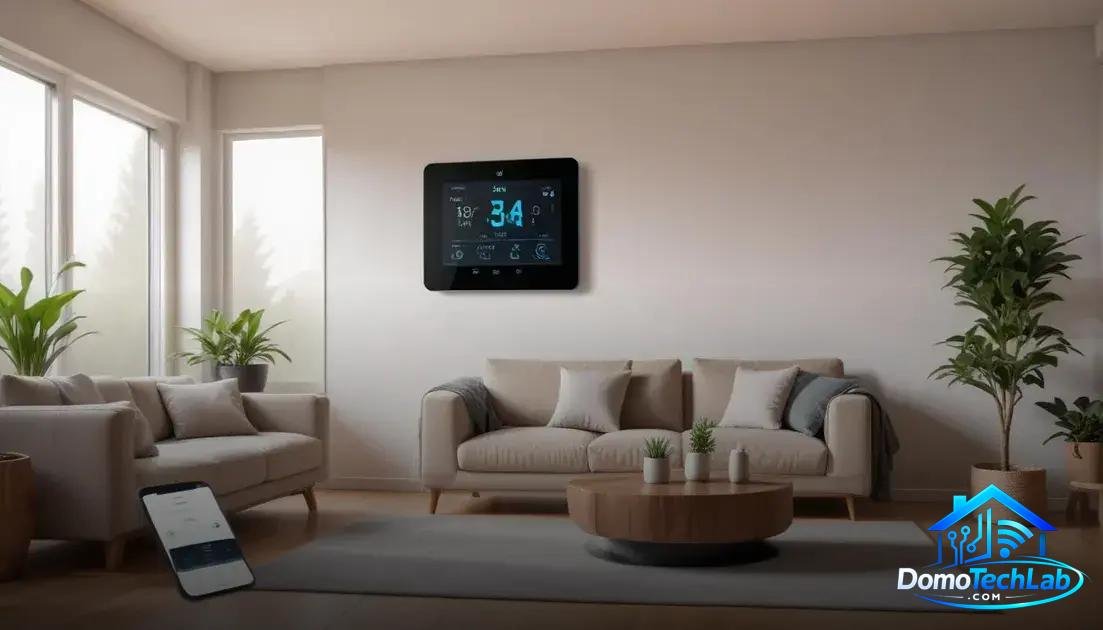
Integrating air quality solutions into a smart home is essential for creating a healthy and comfortable environment. By incorporating devices that monitor and improve air quality, you can optimize well-being in your home.
Continuous Monitoring of Air Quality
Using air quality sensors allows you to measure levels of CO2, PM2.5, and other pollutants in real-time. These devices send data directly to a local automation platform, where informed decisions can be made about the health of the indoor environment.
Connection of Smart Devices
Technologies like Zigbee and Thread enable air quality devices to communicate with each other and with other components of the smart home. For instance, if a sensor detects elevated pollutant levels, it can automatically activate air purifiers or adjust ventilation in the house.
Automation Scenarios
Setting up automation scenarios is an excellent way to manage air quality. You can establish rules so that when air quality falls below a certain threshold, all purifiers turn on and windows open if possible. This not only improves air quality but can also optimize energy use.
Conclusion: Improve Indoor Air Quality with Local Automation
Implementing indoor air quality solutions in your smart home is a vital step towards a healthier environment. At DomoTechLab, we emphasize the value of local automation. This not only optimizes energy efficiency but also ensures that air quality control is effective and safe.
We encourage you to continue researching and adopting technologies that improve your home’s health. Our commitment is to provide you with the necessary tools and knowledge to make informed decisions and elevate the air quality in your living space.
Frequently Asked Questions about Indoor Air Quality
Are air purifiers compatible with automation devices?
Yes, many modern air purifiers are compatible with automation platforms such as Home Assistant and Google Home, allowing for remote control and programming.
How can I integrate air quality sensors into my smart home?
Air quality sensors can connect via protocols such as Zigbee or Wi-Fi, and be integrated into automation systems that manage ventilation and purifiers according to detected levels.
What challenges exist in automating air quality?
One of the main challenges is ensuring compatibility between various devices and protocols. It is crucial to verify that all equipment communicates effectively for optimal solutions.
Can I control air quality from my smartphone?
Yes, most smart air quality devices offer mobile apps that allow you to monitor and control conditions from anywhere.
How do I know if my air quality devices are functioning properly?
Most air quality sensors have visual indicators or notifications in the mobile app that inform about operational status and pollutant levels.
Is a dedicated network necessary for air quality devices?
It is not strictly necessary, but having a dedicated network for devices like purifiers and sensors can improve stability and response speed in a smart home.