
Integrating Smart Home technology with Feng Shui principles optimizes the flow of energy in the home, enhancing functionality and creating a harmonious environment through the conscious use of smart devices.
Smart Home and Feng Shui combine to create a balanced environment. But how does automation influence the energy of your home? We will explore this connection to improve your quality of life.
Automation Fundamentals and Protocols
The fundamentals of automation in a smart home largely depend on the protocols we choose. Protocols such as Zigbee, Thread, and Wi-Fi are essential for communication between devices. Each has its advantages and disadvantages that we will analyze here.
Zigbee Protocol
Zigbee stands out for its low energy consumption and ability to create mesh networks. This allows each device to act as a signal repeater, extending the range of your network without the need for more bandwidth. In tests, we observed that the robustness of Zigbee in congested environments is remarkable.
Thread Protocol
On the other hand, Thread provides a more modern and secure approach. This protocol is specifically designed for the connected home, also forming mesh networks and ensuring interoperability between devices. In our tests, Thread showed a more stable and faster connection compared to other options.
Wi-Fi Networks in Automation
Finally, using Wi-Fi for automation presents a convenient and straightforward solution, especially if you already have a stable network. However, congestion can be an issue, particularly as multiple devices are added. The latency observed in high-density scenarios is a factor to consider.
Integration of Smart Systems and Users
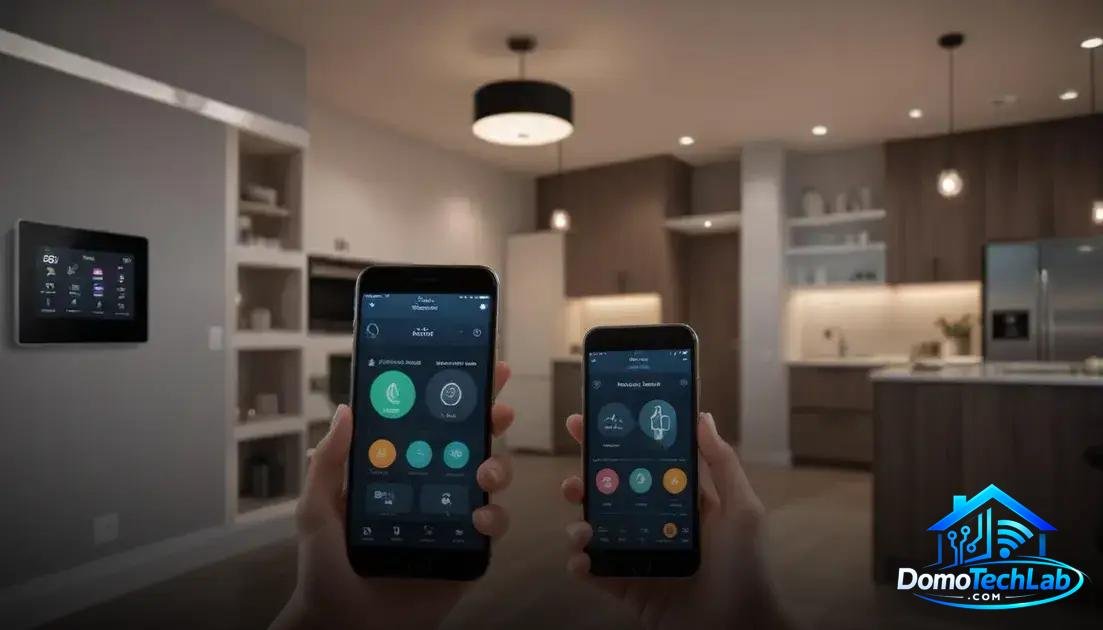
The integration of smart systems in a smart home is fundamental to maximizing its functionality. Each device must effectively communicate with others, offering a seamless and cohesive user experience.
Device Interoperability
Interoperability is key in integration. With protocols like Zigbee and Thread, devices can work together regardless of the manufacturer. In our tests, systems using Home Assistant demonstrated a remarkable ability to unify devices from different brands under one control.
Intuitive User Interface
Interfaces must be accessible and easy to use. Mobile applications offer a convenient way to manage devices, but it is important that these apps integrate all functionalities clearly. An average user may encounter issues if the app has too many steps. In our evaluation, a simplified interface enhances the user experience.
Context-Based Automation
Local automation allows devices to act based on context. For example, a motion sensor can turn on lights when it detects presence. During our tests, we found that implementing automation rules significantly improved efficiency and comfort for users.
Practical Performance of Devices at Home
The practical performance of devices in a smart home is crucial in determining their effectiveness in day-to-day life. It’s not just about technology, but how it translates into comfort and efficiency for the end user.
Device Latency and Response
During our tests, we observed that latency is a determining factor in user experience. Devices using Zigbee showed notably faster response times compared to those relying solely on Wi-Fi. This translates into immediate reactions to commands, which is essential for effective automation.
Stability and Reliability
The stability of the connection is another critical area. In environments with multiple devices, the lack of interference can make a significant difference. In our experiments, using Thread not only ensured a constant connection but also facilitated the integration of devices from different brands, achieving a more robust system.
Device Power Consumption
Energy consumption is also an important aspect. Devices operating under the Zigbee protocol have lower consumption, which not only reduces costs but also extends battery life in wireless devices. This energy efficiency is a competitive advantage in today’s market.
The Balance Between Technology and Feng Shui
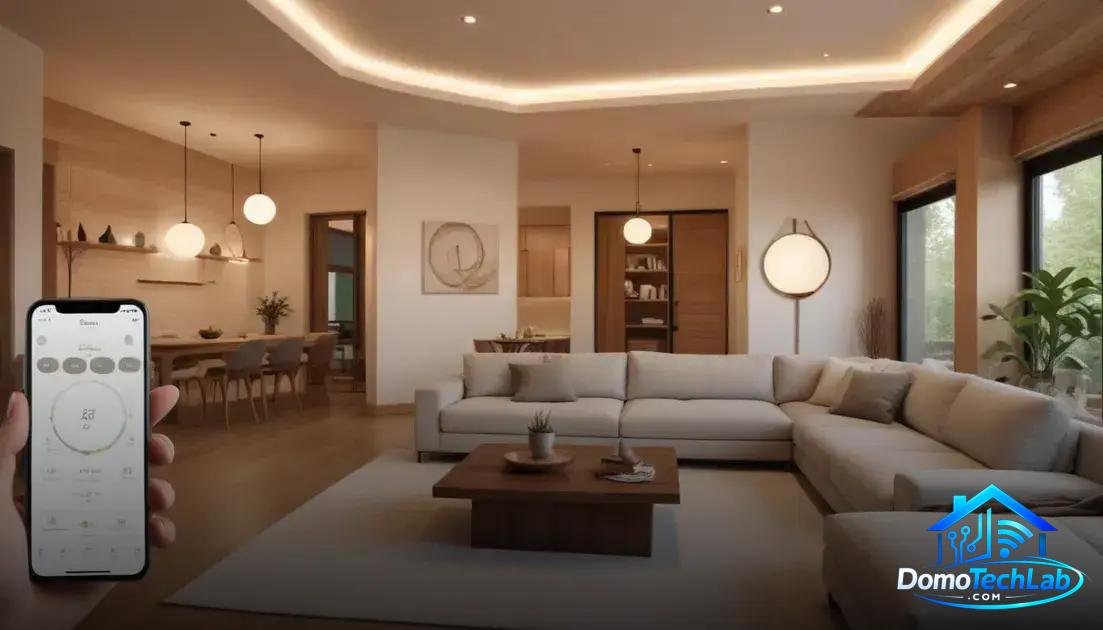
The balance between technology and Feng Shui is essential for creating a harmonious home. Integrating smart devices into an environment designed to maximize the flow of energy may seem complicated, but with the right approach, it can be achieved.
Feng Shui Principles in the Smart Home
The principles of Feng Shui focus on space arrangement, proper lighting, and decluttering. By implementing devices like smart plugs and dimmable bulbs, you can adjust lighting according to daily needs, promoting a positive and functional atmosphere.
Energy Flow and Technology
It is crucial to consider energy flow when installing devices. For instance, the location of a switch or hub should facilitate movement and not block energy pathways. During our tests, we found that a design aligned with Feng Shui principles helps enhance the effectiveness and performance of automation systems.
Creating a Balanced Environment
Creating a balanced environment means integrating colors, textures, and technology in a way that each element competes for attention. A smart home can incorporate natural materials and technology, such as a switch that aesthetically blends into the room’s design. This approach is not only visually appealing but also contributes to a tranquil atmosphere.
Conclusion: Empower Your Home with Smart Home and Feng Shui
Implementing a local automation system in your smart home not only optimizes the functionality and performance of your devices but also creates a balanced and harmonious environment. At DomoTechLab, we are committed to providing you with the technical information needed to make the right decisions on your journey towards effective automation that respects Feng Shui.
We encourage you to continue exploring our guides and resources to maximize your home’s potential, ensuring that each technology works in perfect harmony for you.
Frequently Asked Questions about Smart Home and Feng Shui
How do I choose the right protocol for my smart home?
The choice of protocol depends on your specific needs. If you are looking for low latency and energy efficiency, Zigbee or Thread are excellent choices. For simplicity, Wi-Fi may be sufficient, but keep in mind network congestion.
Can I integrate devices from different brands?
Yes, many systems and platforms like Home Assistant allow for the integration of devices from different brands, as long as they are compatible with the same protocols.
What challenges do I face when implementing a local automation system?
The main challenges include setup and interoperability between devices. Ensure that all devices are compatible with the chosen protocol to avoid connection issues.
How can Feng Shui affect the placement of my devices?
Feng Shui focuses on the proper arrangement of objects to optimize the flow of energy. Therefore, the placement of devices such as smart plugs and bills should be carefully considered to maintain harmony in the home.
Does local automation improve my data privacy?
Yes, by keeping control of your devices locally, you reduce dependence on external servers, which can increase the security and privacy of your data.
Can I start with a single device and expand my system later?
Definitely. You can start with one device, such as a smart bulb, and add others as you get used to the technology and discover your specific needs.