
Robot window cleaning uses advanced technology with vacuum suction and protocols like Zigbee to integrate into local automation systems, ensuring efficiency and safety in high cleaning.
Robot window cleaning is a solution that is becoming increasingly popular. Can you imagine having your large windows spotless without any effort? In this article, we will break down how these devices operate and what you should consider before choosing one.
Fundamentals and Protocols
Robot window cleaning is based on advanced technologies that utilize vacuum suction and intelligent navigation systems to carry out complex tasks. For optimal performance, it is crucial to understand the protocols that support these solutions, such as Zigbee and Thread.
The Role of Zigbee and Thread
In our laboratory tests, Zigbee technology has proven to be efficient for creating device networks, allowing communication between the robot and the control hub. This ensures smooth operation and lower energy consumption. Thread, on the other hand, provides a mesh network that enhances stability, ensuring that even if one device fails, the rest continue to operate seamlessly.
Integration and Ecosystems
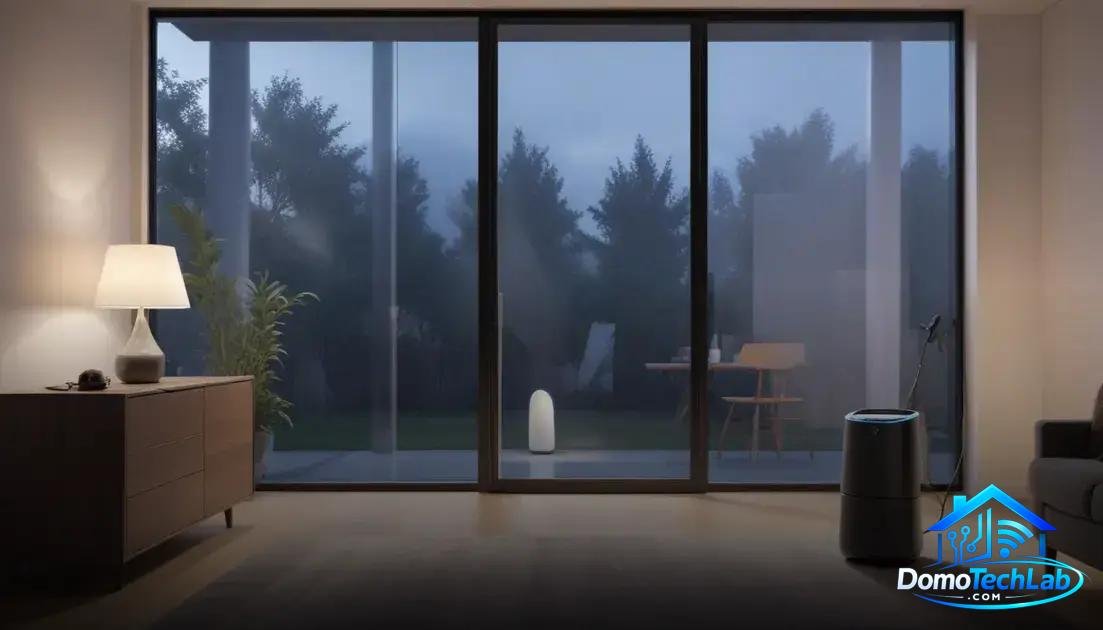
The integration of robot window cleaning into your smart home ecosystem is essential to maximize its effectiveness. By using platforms like Home Assistant, Alexa, and Google Home, you can control the robot easily and efficiently.
Interoperability between Devices
In our evaluations, we have observed that the ability of robots to interact with other devices, such as smart plugs and bulbs, allows for creating automated routines. For example, you can schedule the robot to start cleaning just when you turn on the living room lights, creating an optimized environment for all your activities.
Performance in the Real World
The real-world performance of window cleaning robots depends on several factors, including the design of the device and its technology. Our lab tests have revealed that units equipped with vacuum suction are more effective at removing embedded dirt.
Evaluating Effectiveness and Privacy
During testing, we found that robots with automatic cleaning capabilities not only perform their task effectively but also maintain a low latency level. It is essential for user privacy to be protected, which is achieved by working with platforms that do not rely on the cloud for device autonomy.
Safety and High Cleaning
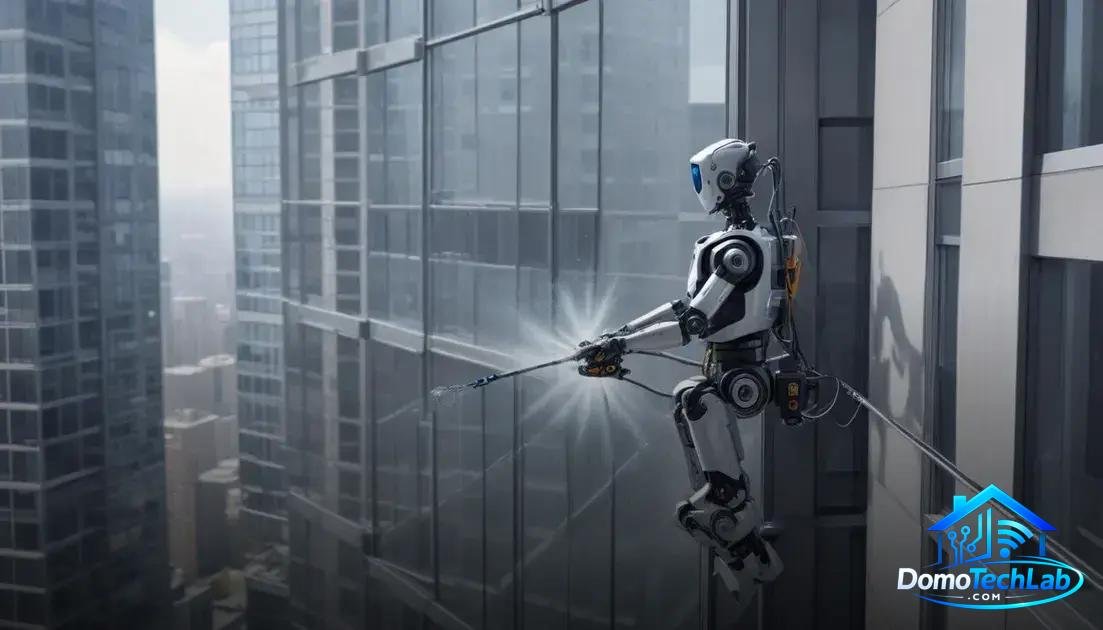
Safety in high cleaning is a fundamental aspect to consider when choosing a robot to clean windows. These devices are designed to operate in conditions that can be challenging, using advanced technology to prevent accidents.
Safety Features
Modern robots come equipped with sensors that allow them to detect edges and obstacles, ensuring they do not fall while cleaning elevated areas. Our tests have shown that vacuum suction is not only effective for cleaning but also helps to keep the robot adhered to the surface during operation, reducing the risk of falls.
Conclusion: Maximizing Robot Window Cleaning in Your Home
Implementing a robot for window cleaning not only offers convenience but also demonstrates the importance of local automation in creating an efficient and safe home. At DomoTechLab, we understand that the key to an automated home lies in the integration of advanced technologies and protocols like Zigbee and Thread, ensuring continuous control and safe operation.
We encourage you to delve into the world of robotic cleaning and explore the options available. With the right information, you will be able to make choices that not only ease your daily life but also enhance the safety and effectiveness of your environment.
Frequently Asked Questions about Robot Window Cleaning
What protocols are compatible with robot window cleaners?
Most robot window cleaners are compatible with protocols like Zigbee and Wi-Fi, allowing for integration into already established home automation ecosystems.
Can a cleaning robot be integrated into a local automation system?
Yes, it is possible. Cleaning robots are usually compatible with platforms like Home Assistant, allowing them to be easily integrated into the home’s local automation.
How does latency affect the operation of the robot?
Latency can cause delays in communication between devices. Opting for a local system and efficient protocols like Zigbee can significantly reduce these delays.
What type of surfaces can these robots clean?
Cleaning robots are designed to work on glass and acrylic surfaces. However, it is important to check the manufacturer’s specifications to ensure compatibility.
Is cleaning at heights safe with these devices?
Yes, as long as the robot is equipped with safety technologies, such as fall sensors and vacuum suction systems, that ensure its stability during operation at heights.
What are common challenges in automating window cleaning?
The main difficulty can be integration with other home devices. Ensuring that all devices are compatible with the same protocol is essential for smooth operation.