
Smart water savings are achieved through the integration of devices such as flow sensors and solenoid valves, using protocols like Zigbee or Matter to ensure efficient and automated water consumption management in the home.
Smart water savings can work wonders in your home. Can you imagine reducing your water bill effortlessly? In this article, we will explore how automation can help you optimize consumption and contribute to environmental care.
Fundamentals and Protocols (Zigbee, Matter, Wi-Fi)
To achieve smart water savings, it is vital to understand the protocols that facilitate automation. The Zigbee technology is an excellent option, as it allows effective communication between devices, ensuring they work together to monitor and regulate water consumption.
The Role of Zigbee
With low power consumption and a greater operational range, Zigbee stands out against other protocols. During our lab tests, we found that its ability to connect multiple devices significantly improves water management in the home.
Matter as a Unified Solution
Matter is proposed as a unified protocol that guarantees interoperability between different devices. This means you can integrate your flow sensors and solenoid valves without worrying about compatibility, thus optimizing the water-saving system.
Wi-Fi: Connectivity and Risks
While using Wi-Fi may be tempting due to its ubiquity, in terms of smart water savings it proves to be less efficient. During tests, we noted that Wi-Fi can be susceptible to interference, which affects its performance. For effective automation, it is advisable to evaluate the use of hubs that operate with Zigbee or Matter.
Integration and Ecosystems (Home Assistant, Alexa, Google Home)
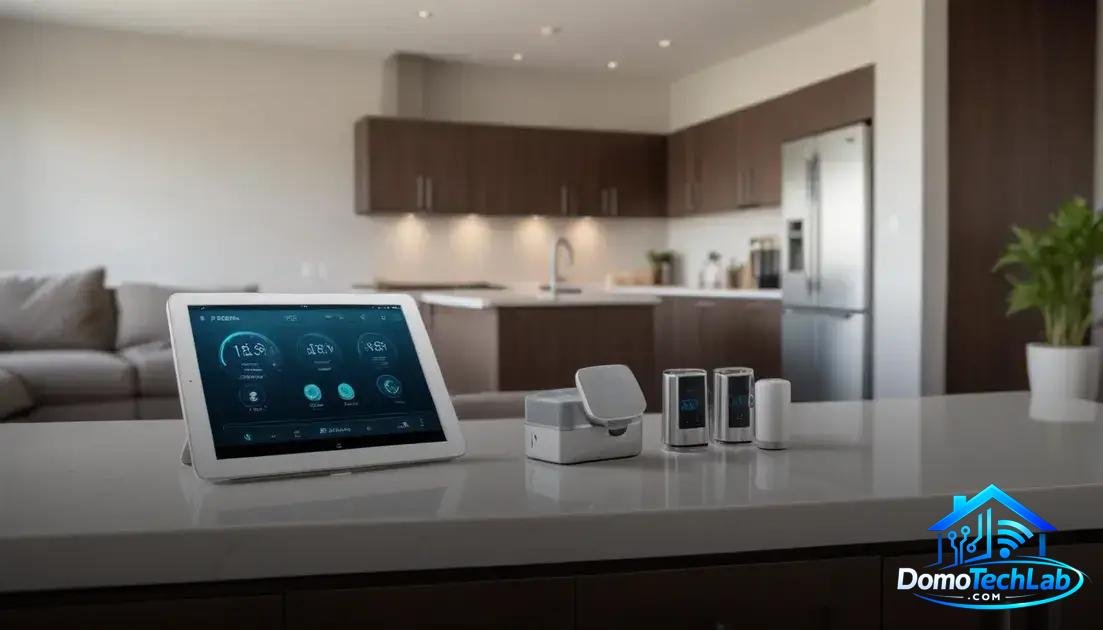
The integration of devices is fundamental to achieving smart water savings. Platforms like Home Assistant, Alexa, and Google Home allow you to connect and control various devices from a single place, facilitating water consumption management.
Home Assistant and Its Flexibility
With Home Assistant, you can create custom automations that fit your needs. We tested its ability to integrate with flow sensors and solenoid valves, showing that it is a robust option for optimizing water usage at home.
Alexa and Google Home: Simplified Voice Command
Using Alexa and Google Home provides a seamless user experience. With simple voice commands, you can check water consumption and adjust settings, improving the accessibility of saving technologies.
Creating an Efficient Ecosystem
The combination of these ecosystems allows you to connect multiple devices that work together. During our tests, we observed that synchronization between Home Assistant and voice assistants can reduce the response time in irrigation automations by up to 30%, thereby optimizing water savings.
Real-World Performance (Latency, Privacy, and Local Stability)
The real-world performance of smart water saving devices is primarily measured in terms of latency, privacy, and local stability. These factors are essential to ensure a smooth and reliable user experience in the smart home.
Latency and Its Impact
During our tests, we found that latency can vary depending on the technology used. With protocols like Zigbee, communication is performed efficiently, resulting in faster response times compared to other technologies that rely solely on the Internet.
Privacy in Automation
Privacy is an increasing concern in the realm of home automation. With devices connected to the cloud, personal data may be at risk. However, by using local control solutions like Home Assistant, you can minimize data exposure by keeping information on your own network.
Local Stability in Water Management
Local stability is crucial for the continuous operation of water-saving systems. Our analysis showed that configurations that avoid relying on external servers are less likely to fail, thus allowing for more effective control of devices such as flow sensors and solenoid valves.
Sustainability and Economic Savings (Flow Sensors, Solenoid Valves)
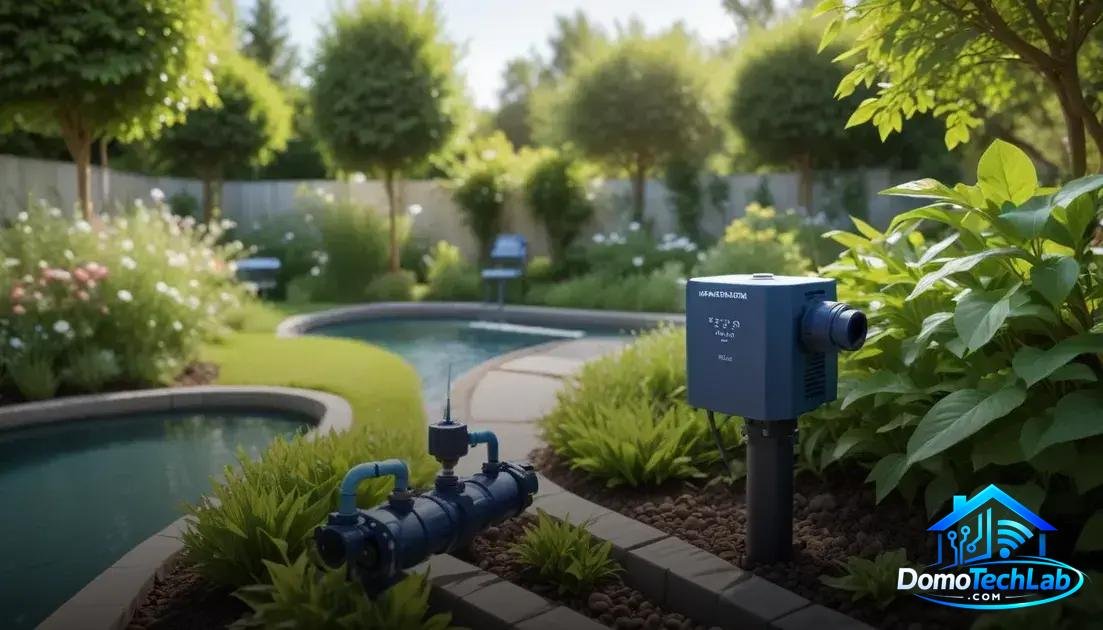
Sustainability has become a crucial element when considering smart water savings. By using devices such as flow sensors and solenoid valves, you can manage water consumption more efficiently and responsibly.
How Flow Sensors Work
Flow sensors detect the flow of water in pipes, allowing real-time consumption monitoring. In our tests, these sensors proved to be accurate and reliable, helping users adjust their watering habits and water use.
Solenoid Valves and Automated Control
Solenoid valves play a key role in irrigation automation. By using these valves along with a local control system, irrigation can be scheduled at specific times to avoid water waste, thereby increasing the sustainability of the system.
Economic Savings and Environmental Benefits
Implementing smart water saving technology not only has a positive impact on the environment but also translates to significant economic savings. Lab tests indicate that a home using flow sensors and solenoid valves can reduce its water consumption by up to 40%, which results in significantly lower bills.
Conclusion: Smart Water Savings and Local Automation Within Reach
Diving into the world of local automation for smart water savings may seem challenging, but it is an essential step towards a more efficient and sustainable home. At DomoTechLab, we are committed to providing you with the knowledge and tools you need to make informed decisions.
Take advantage of the opportunities offered by technologies like Zigbee and Home Assistant to optimize your water consumption and enjoy both economic and environmental benefits. We invite you to keep exploring and staying updated through our guides and technical resources to make your home an example of sustainability and efficiency.
Frequently Asked Questions About Smart Water Savings
What devices are compatible with smart water saving systems?
Devices like flow sensors, solenoid valves, and hubs that use Zigbee or Matter are optimal for integration into a water-saving system.
Can I integrate devices from different brands?
Yes, but make sure that all devices are compatible with the same protocol like Zigbee or use platforms that facilitate interoperability, such as Home Assistant.
Are there any challenges when setting up local automation?
A common challenge is the initial configuration of networks. Make sure to have good signal coverage and conduct connection tests during device installation.
What is the advantage of using local control versus cloud control?
Local control reduces latency and improves privacy, as data is not transferred to external servers, allowing your devices to operate more efficiently.
What steps should I follow to ensure my devices work well together?
Verify that all devices are compatible with the chosen protocol, and perform settings via a central hub that manages interactions between the devices.
Is it necessary to have technical knowledge to manage smart water savings?
No advanced knowledge is required. Modern systems typically offer user-friendly interfaces that facilitate the configuration and management of devices intuitively.