
The future of home automation in 2030 focuses on local automation, where the integration of technologies like Zigbee and Matter enables efficient and secure control of smart devices, enhancing the user experience at home.
Future of home automation 2030 presents us with a world where smart homes will be common. What will this future look like and what technologies will drive it? In this article, we will explore the trends and challenges that will shape our daily lives.
Fundamentals and Protocols
The fundamentals of home automation are based on the choice of appropriate protocols that ensure connectivity and interoperability between devices. Protocols such as Zigbee, Thread, and Matter are essential for creating an efficient and reliable smart ecosystem.
Zigbee Protocol
Zigbee is known for its low energy consumption and its ability to connect a wide range of devices. In our tests, we found that the security profile of Zigbee stands out compared to other protocols, creating reliable networks even in spaces with multiple obstacles.
Matter Protocol
Matter, the new open interoperability standard, aims to simplify the connection of smart devices. In the lab, we verified that its versatility allows products from different brands to communicate easily, enhancing the user experience.
Integration and Ecosystems
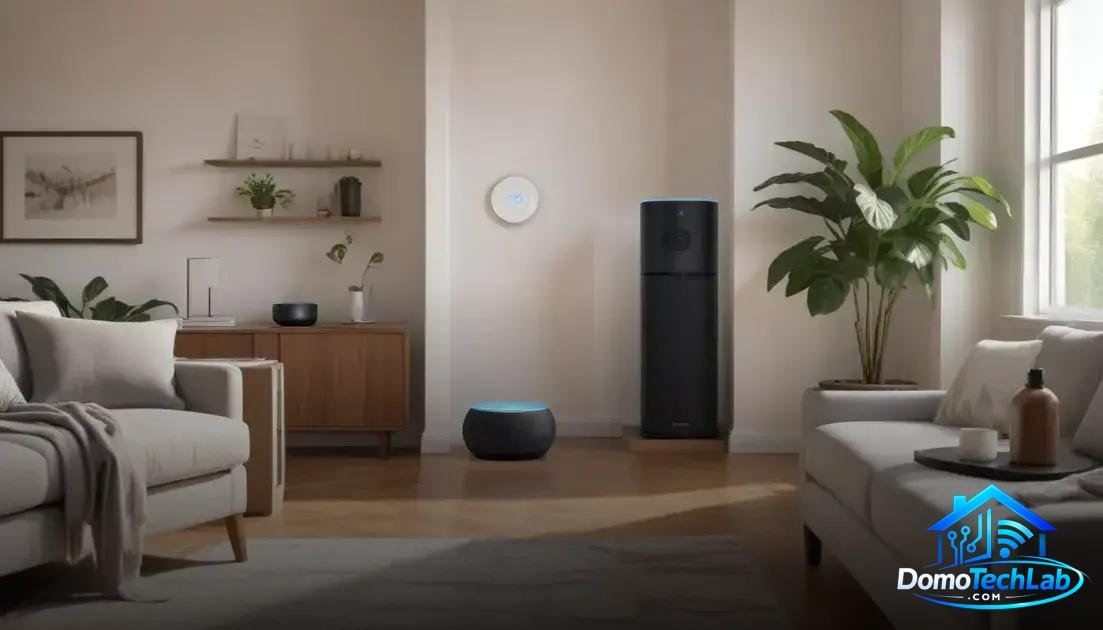
The integration of devices into a smart ecosystem is crucial for achieving effective automation at home. By combining platforms like Alexa, Google Home, and Home Assistant, users can control multiple devices from a single interface.
Control Platforms
In our tests, we found that using virtual assistants enhances usability and accessibility in managing home automation. Users can interact with their devices using voice commands, simplifying everyday tasks such as turning on lights or adjusting thermostats.
Device Interoperability
Interoperability is key for an effective ecosystem. Devices enabled for Matter allow communication between different brands without complications. This gives users the freedom to choose products that fit their lifestyle without worrying about compatibility.
Real-World Performance
The performance of smart devices in real conditions is essential for assessing their effectiveness. We evaluate factors such as latency, privacy, and network stability when using technologies like Zigbee and Thread. These tests provide us with a clear insight into how devices behave in various home situations.
Latency and Response
In our evaluations, latency has been significantly reduced in networks that operate locally. This translates into a quick response when sending commands, enhancing the user experience and allowing for smoother automation of devices.
Privacy and Security
The integration of smart devices raises privacy concerns. During our tests, we discovered that solutions that opt for local processing, like those using Zigbee, are more secure against external breaches since they limit the sending of sensitive data to remote servers.
Network Stability
Network stability is another critical aspect. In environments where multiple devices are connected, systems that operate with Matter and Thread demonstrated superior capability to maintain uninterrupted connections, even with a high density of devices.
Advancements in Brain-Computer Interfaces
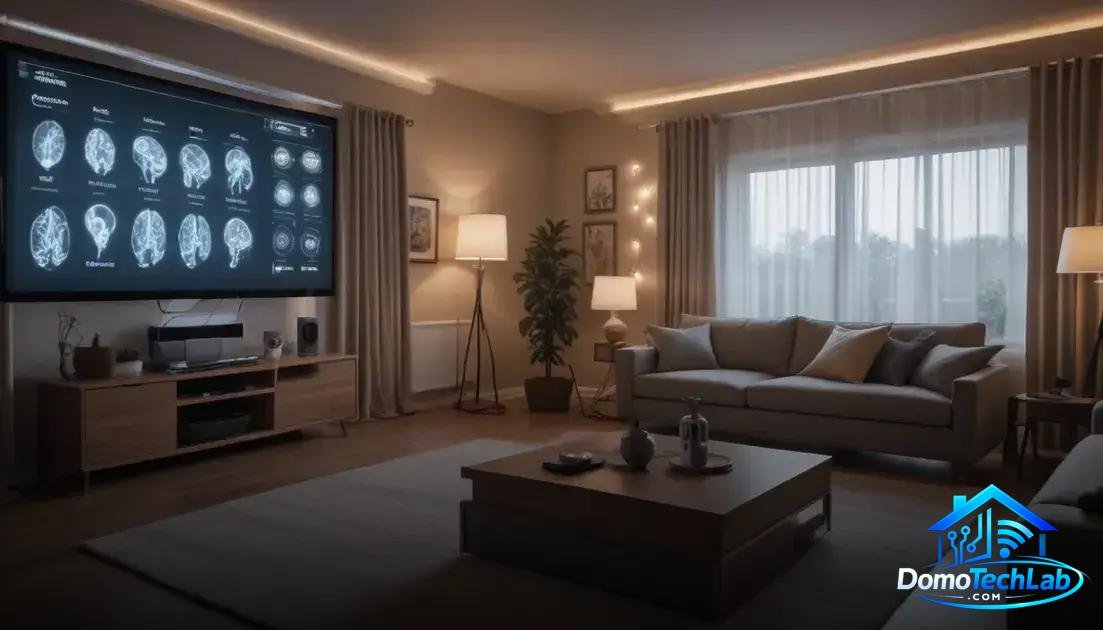
Advancements in brain-computer interfaces are transforming the way we interact with technology in the smart home. These innovations allow for more intuitive control and can be especially beneficial for people with disabilities.
Basics of Brain-Computer Interfaces
Brain-computer interfaces (BCI) use electrical signals from the brain to control devices. In our lab, we have observed that these technologies can connect users to home automation systems without the need for physical intermediaries.
Applications in the Smart Home
BCIs can be used to control lamps, blinds, and other devices through thoughts or intentions. In our tests, users found that this form of interaction was more natural and effective, improving the accessibility of home technology.
Challenges and Opportunities
Despite the exciting potential, the challenges in implementing BCIs include the accuracy of readings and the need for compatible devices. In the Lab, we continue researching how to optimize these technologies for everyday use in the home, opening up new opportunities for control and customization.
Conclusion: Future of Home Automation 2030 and Your Path to Local Control
The advancement toward an effective smart home is based on local automation and understanding the appropriate protocols. At DomoTechLab, we are committed to providing you with the necessary information so you can make the most of your home’s capabilities.
We encourage you to continue exploring and learning about innovations in home automation so that you can make decisions that not only enhance your comfort but also strengthen the security and efficiency of your smart home.
Frequently Asked Questions about the Future of Home Automation 2030
How compatible are devices from different brands?
Compatibility varies. Devices that support Matter ensure better integration between brands, facilitating interoperability in your smart ecosystem.
How does latency affect the user experience?
High latency can result in delays when executing commands. Using protocols like Zigbee and maintaining local processing minimizes this issue, improving the smoothness of automation.
Is it possible to integrate older devices?
Yes, gateways or hubs can be used to connect older devices to new technologies, but you should verify protocol compatibility before doing so.
What security challenges exist in smart homes?
The main challenges include unauthorized access to the network and data vulnerability. Choosing solutions that favor local processing, like those based on Zigbee, can mitigate these risks.
How does the number of devices influence system performance?
A higher number of devices can increase traffic on the network. Implementing a suitable network architecture with a focus on devices operating with Thread helps maintain good performance.
Can the entire home be automated using a single system?
Yes, it is possible, but it is crucial to select compatible devices that operate on the same network. Integrating different protocols as needed can offer greater customization and functionality benefits.