
An energy monitor in the panel is essential for optimizing electricity consumption in the home, allowing real-time analysis that helps reduce costs and improves efficiency through integration with local automation systems like Home Assistant.
The energy monitor in the panel is a key tool for those who want to optimize electricity consumption in their homes. Have you ever wondered how much your home really spends? In this article, we will explore how this device can help you gain total control over your energy consumption.
Fundamentals and Protocols
To understand how an energy monitor in the panel works, it is necessary to become familiar with the fundamentals and protocols that underpin smart home technology. Protocols such as Zigbee, Thread, and Wi-Fi are essential for communication between devices and managing energy consumption.
The Role of Protocols in Energy Monitoring
Protocols like Zigbee allow devices to communicate efficiently and with low energy consumption. This approach not only maximizes the performance of each device but also facilitates the integration of multiple appliances into the same ecosystem. Meanwhile, technologies like Wi-Fi are more common but can be affected by network congestion. Therefore, the option to use more specialized protocols, like Thread, becomes attractive for those looking to maximize their smart home.
Integration and Ecosystems
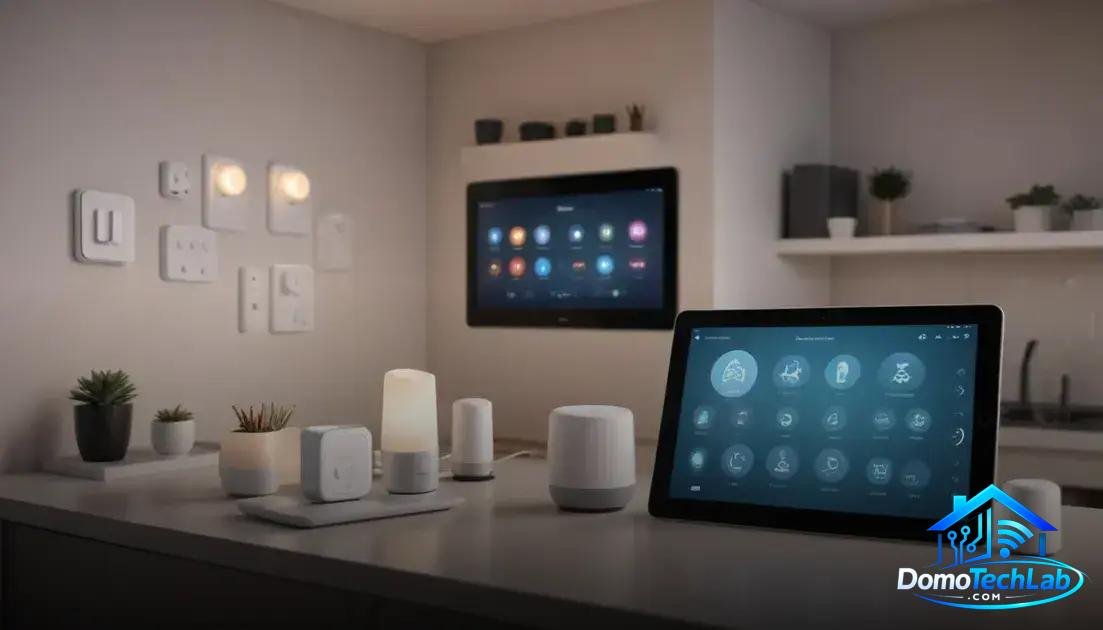
The integration of devices in a smart home ecosystem is fundamental for optimizing the use of an energy monitor in the panel. Interoperability between technologies such as Home Assistant, Alexa, and Google Home allows for effective management and monitoring of energy consumption.
Connecting Devices
Using platforms like Home Assistant makes it easy to connect different devices, from light bulbs to smart plugs. This ensures centralized control that not only enhances the user experience but also provides valuable data on energy consumption. Each device can be programmed to work synergistically, maximizing efficiency and potentially reducing costs.
Real-World Performance
The real-world performance of an energy monitor in the panel can vary significantly depending on the network configuration and connected devices. In laboratory tests, we observed that latency and connection stability are crucial for ensuring accurate analysis of energy consumption.
The Impact of Latency on Energy Consumption
Low latency is essential for the energy monitor to register data in real time. If devices are cyclically synchronized and updated, users can receive instant notifications about consumption spikes. This allows for quick and effective decisions, such as turning off unnecessary devices or adjusting energy use during peak hours, which can result in substantial savings on the electricity bill.
Electric Savings and Real-Time Monitoring
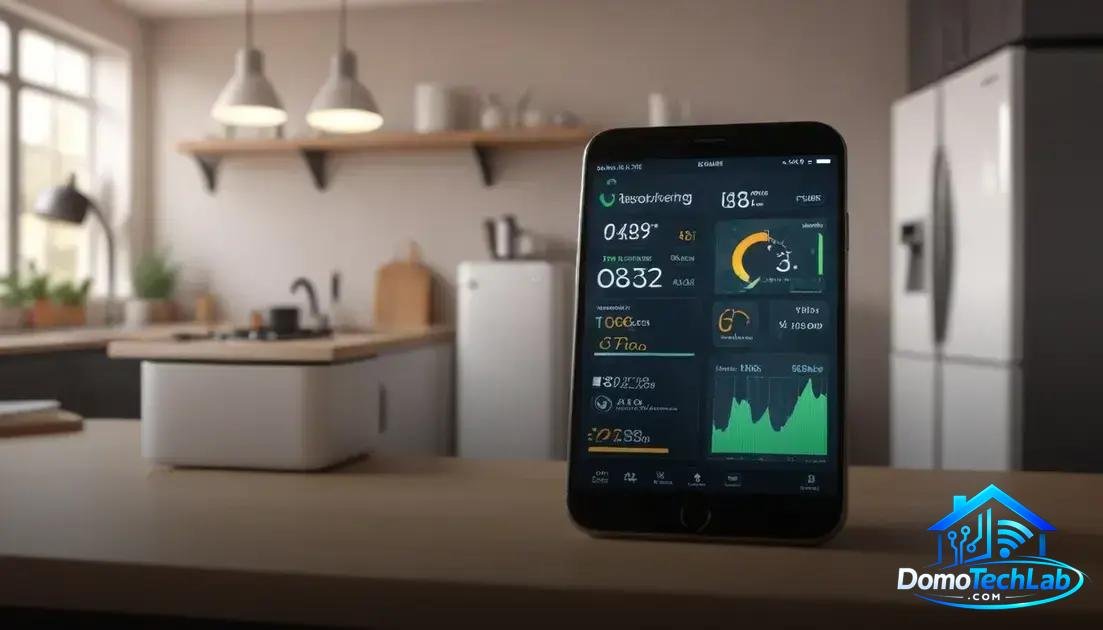
The electric savings and real-time monitoring are key benefits offered by an energy monitor in the panel. These devices allow users to oversee the energy consumption of each appliance in their homes, providing information that can be crucial for improving energy efficiency.
How Real-Time Monitoring Works
Real-time monitoring is performed through sensors that continuously measure electricity usage. Systems that use protocols like Zigbee ensure that data communication is instantaneous. This allows users to adjust their consumption based on the information they receive, avoiding unnecessary peaks that can elevate electricity bills. Through mobile apps or web interfaces, users can visualize their consumption and make real-time adjustments.
Conclusion: Maximize Efficiency with an Energy Monitor in the Panel
Implementing an energy monitor in the panel not only improves visibility into your home’s energy consumption but also allows you to optimize your daily life through local automation. At DomoTechLab, we understand that each home is unique, and we are here to provide you with the technical knowledge needed to make informed and effective automation decisions.
We encourage you to explore more about automation and energy consumption technologies. With the right tools, your home can operate more efficiently, saving energy and costs.
Frequently Asked Questions about the Energy Monitor in the Panel
Is an energy monitor compatible with all smart devices?
Not all energy monitors are compatible with all devices. Check that the monitor supports protocols like Zigbee or Thread to ensure interoperability.
How can I integrate an energy monitor into my existing automation system?
Integration depends on the system you already have. Platforms like Home Assistant offer support for numerous devices, allowing easy inclusion of the monitor as part of your ecosystem.
Do energy monitors affect network latency?
If properly configured, monitors should not negatively affect latency. It is crucial to choose a device that uses efficient protocols to maintain the overall network performance.
How can I ensure stability when using multiple devices on my network?
Using mesh protocols like Zigbee increases stability by allowing devices to communicate with each other, creating a robust network that can become less sensitive to congestion.
What considerations should I have when choosing an energy monitor?
Make sure to check compatibility with your existing devices, the type of connectivity it offers, and whether it can be easily integrated into your local automation platform.
Can I monitor consumption in real time if I have frequent internet disconnections?
Yes, if you use a system that supports local automation, energy monitors can continue to operate and record data even without an internet connection.