
Zigbee repeaters are essential for extending the coverage and stability of your local automation network, allowing for efficient integration of smart devices without relying on internet connectivity.
Want to improve coverage in your home? Zigbee repeaters might be the key to better connectivity. Let’s explore how these devices can optimize your smart network and solve common issues.
Fundamentals and Protocols
To understand the operation of a Zigbee network, it is crucial to know its fundamentals and the importance of the protocols involved. Zigbee operates on a mesh that allows devices to communicate with each other without needing to pass through a central router, which in turn increases network coverage and stability.
Core Protocols in Smart Networks
In addition to Zigbee, there are other protocols such as Thread and Wi-Fi, which offer different advantages. In our testing, Zigbee stood out for its low energy consumption and its ability to handle a large number of connected devices, creating a robust and efficient ecosystem. This mesh structure allows end nodes to act as repeaters, extending the signal range.
Integration and Ecosystems

The integration of devices within a Zigbee ecosystem is essential to maximize the functionality of your smart home. Using a hub compatible with Zigbee allows you to manage different devices such as smart plugs, bulbs, and sensors from a single platform.
Benefits of Efficient Integration
By incorporating voice assistants like Alexa or Google Home, you can control all your devices intuitively. This makes it easy to create automated routines that enhance energy efficiency and user comfort. The interoperability of Zigbee with other protocols such as Matter fosters an environment where various brands can coexist and offer advanced functionalities.
Real-World Performance
Evaluating the performance of a Zigbee-based system in real-world situations is crucial to understanding its effectiveness. In our tests, we found that latency remains low even with multiple connected devices, which is critical for local automation.
Latency and Privacy Analysis
During simulations, a quick response time was recorded in activating devices, such as bulbs and smart plugs, through voice commands or mobile applications. This aspect not only enhances the user experience but also strengthens privacy by processing data locally rather than relying on external servers.
Choosing the Right Repeater
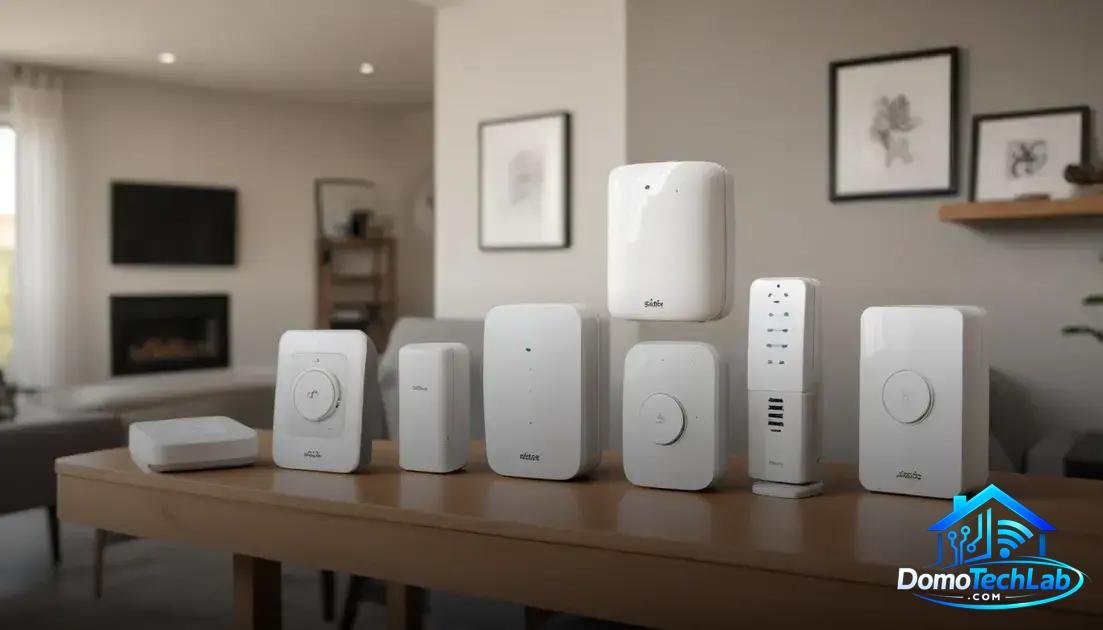
Selecting the right repeater for your Zigbee network is essential to ensure optimal coverage. There are various options available on the market, each designed to meet different needs and features.
Selection Criteria
When choosing a repeater, consider factors such as operation range, compatibility with other devices, and interference management capability. The best models offer advanced features, such as the ability to create mesh networks that allow constant communication between devices, thereby reinforcing network stability.
Conclusion: Optimize Your Home with Local Zigbee Automation
Implementing a Zigbee-based network provides a solid foundation for local automation, improving both the stability and privacy of your devices. At DomoTechLab, we are committed to guiding you in selecting the best devices and protocols to ensure your home operates optimally.
Continue exploring our recommendations and technical guides to maximize your smart home’s potential.
Frequently Asked Questions about Zigbee Repeaters
Can I use Zigbee repeaters from different brands?
Yes, as long as they are compatible with the Zigbee protocol, you can mix and match devices from different manufacturers without functionality issues.
How can I determine which repeater is right for my home?
You should consider the coverage you need and the number of connected devices. Opt for repeaters that offer mesh functions to effectively extend the network.
Do Zigbee repeaters affect network latency?
In general, Zigbee repeaters are designed to minimize latency. However, the quality of the repeater and its location can influence overall performance.
Is it possible to integrate Zigbee with other protocols like Wi-Fi or Thread?
Yes, they can be integrated through a compatible hub. This will allow you to manage devices from different protocols from a single platform.
What common issues might I face with Zigbee devices?
Common issues include interference with other devices and connection failures due to thick walls or long distances. Ensure that repeaters are strategically located to avoid these problems.
Do Zigbee devices work without an internet connection?
Yes, Zigbee devices can function locally without the internet, allowing for local automation and device control without relying on external servers.