
Circadian lighting enhances well-being by regulating biological rhythms through smart devices that automatically adjust color temperature and light intensity throughout the day.
Circadian lighting is more than just a trend; it’s an innovative approach that synchronizes your environment with your biological rhythm. Have you ever noticed how a warm light can make you feel more relaxed at the end of the day? In this article, we will break down how you can use lighting to improve your quality of life.
Fundamentals and Protocols of Circadian Lighting
Circadian lighting is based on the idea that exposure to different color temperatures throughout the day can influence our sleep-wake cycle. Using bulbs that simulate natural light is key to maximizing well-being.
Lighting Protocols
To implement circadian lighting systems, it is essential to have protocols like Zigbee and Thread. These protocols allow efficient communication between devices, ensuring that lighting automatically adjusts its intensity and color according to the time of day.
Device Setup
Using a compatible hub that supports these protocols facilitates integration. For example, by programming a smart plug to turn on a bulb at a warm color temperature at night, you could enhance your melatonin production and, consequently, your rest.
Integrating Lighting Systems in Smart Home
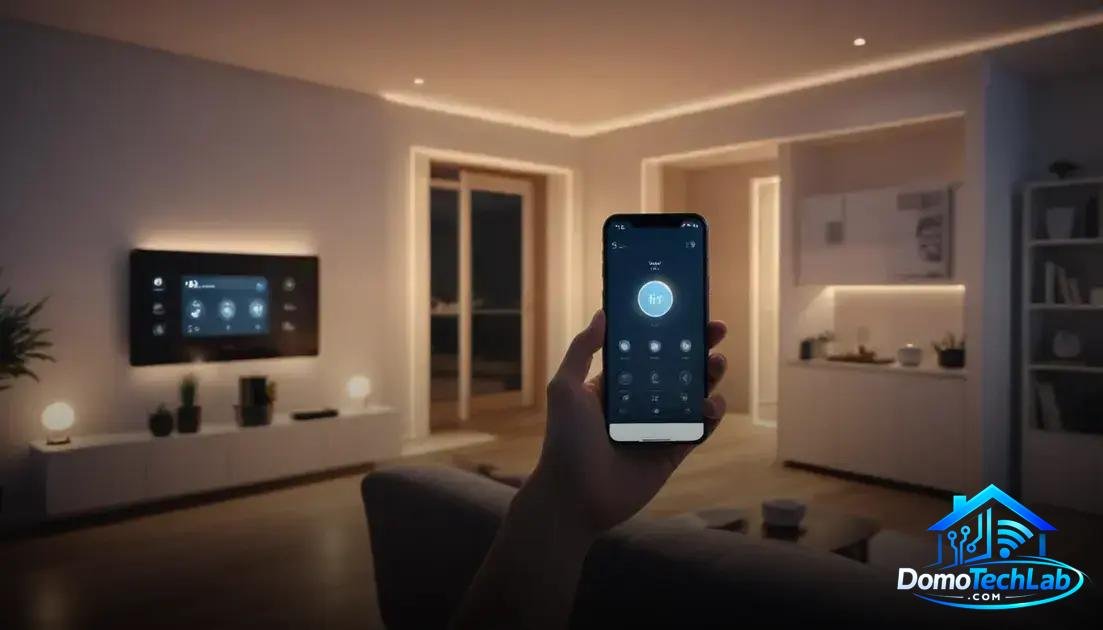
The integration of lighting systems in a smart home environment is crucial to maximize the potential of your devices. With the use of protocols like Zigbee, it allows bulbs and other devices to communicate effectively.
Local Automation
Setting up a gateway that supports these protocols allows you to control lighting from your smartphone. This is crucial to establish routines that respond to your daily needs, such as adjusting light intensity when you wake up or at sunset.
Device Compatibility
Selecting compatible devices ensures that all your smart switches and plugs work in harmony. For example, a circadian lighting system can be programmed to change color automatically, mimicking the natural cycle of the day.
Impact of Color Temperature on Sleep
The color temperature of bulbs plays a crucial role in sleep quality. Studies have shown that blue light, present in higher color temperatures, can interfere with melatonin production, the hormone responsible for regulating sleep.
Importance of Color Temperature
Using bulbs with a warmer color temperature at night helps to mimic the natural light of sunset, promoting a more relaxing environment. This type of lighting can facilitate the transition to sleep, thereby improving nighttime rest.
Sleep Settings
By programming your devices through a hub that supports local automation, you can adjust lighting to appropriate temperatures based on the time of day. For example, a smart plug can turn on warm lights half an hour before bed, contributing to an environment conducive to restful sleep.
Improving Biological Rhythm with Technology
Modern technology offers valuable tools to improve biological rhythm. Implementing circadian lighting systems allows you to synchronize your home environment with your natural needs. This can have a significant impact on your health and productivity.
Using Smart Lighting
Smart bulbs that are compatible with protocols like Zigbee and Thread offer customizable settings. By automatically adjusting light intensity and color throughout the day, you can help your body adapt to natural light cycles, promoting better rest and more daytime energy.
Automation and Well-being
Through a hub or gateway, it is possible to establish routines that fit your lifestyle. A smart plug can be programmed to turn off bright lights at night, creating an environment conducive to restorative sleep. This approach not only enhances your physical well-being but also your overall mood.
Conclusion: Leverage Circadian Lighting for Your Daily Well-being
Adopting circadian lighting technologies not only improves the quality of your sleep but also optimizes your biological rhythm. At DomoTechLab, we understand the importance of local automation to maximize the effectiveness of your smart home.
We encourage you to explore more about integrating these systems into your home and to experience the benefits they offer for yourself. Make informed decisions and transform your space to create an environment that enhances your well-being.
Frequently Asked Questions about Circadian Lighting
Which devices are compatible with circadian lighting?
Smart bulbs that support protocols like Zigbee and Thread are ideal. Make sure your hub or gateway is also compatible with these standards.
Do I need a specific gateway for my lighting system?
Yes, a gateway that supports the used protocols ensures smooth communication between devices, allowing for effective settings and automations.
How can I optimize my circadian lighting setup?
You can program your devices to change their color temperature and brightness automatically at different times of the day, using a hub that permits this local automation.
Can I integrate circadian lighting with other smart home systems?
Yes, most smart lighting systems can integrate with voice assistants like Alexa or Google Home, enabling unified control of your environment.
What challenges might I face when installing circadian lighting?
The main challenges include device compatibility and system configuration. Ensure that all components are compatible and review technical documentation before installation.
Does circadian lighting really improve sleep quality?
Yes, various studies suggest that proper regulation of color temperature and light intensity can help improve melatonin production, favoring more restorative sleep.