
Zigbee smart buttons enable efficient and secure local automation at home, offering control over devices like bulbs and switches through a mesh network that enhances interoperability and user privacy.
Zigbee smart buttons are revolutionizing home automation, making everyday tasks as simple as a single click. Imagine being able to turn off all the lights or activate a scene at your leisure; that’s how this technology works. Here’s how to set them up and optimize their use in your home.
Fundamentals and Protocols
Understanding the fundamentals and protocols of home automation is essential for implementing an efficient smart home. Devices that use Zigbee excel with their low energy consumption and ability to form mesh networks, which improves communication between devices.
Key Protocols
Zigbee is based on a personal area communication protocol designed for low power and low-cost operations. In our tests, we found that its architecture allows multiple devices to connect without compromising signal quality.
Comparison with Other Protocols
When analyzing Zigbee alongside other protocols like Thread and Wi-Fi, we observed significant advantages in network stability and range. This is crucial for environments where many devices are constantly interacting.
Integration and Ecosystems
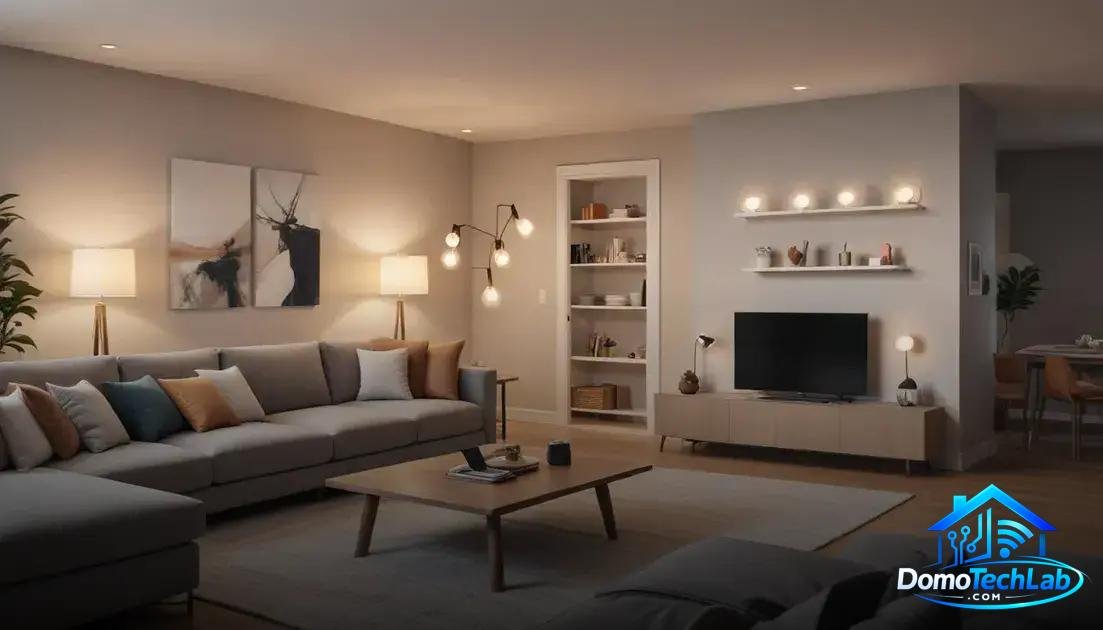
Integration and ecosystems are fundamental to achieving an operational and seamless smart home. By using devices with Zigbee technology, you can connect different brands and models on a single platform that simplifies control and automation.
Device Interoperability
Interoperability is key in the world of smart devices. Using a hub that is compatible with Zigbee and other protocols like Thread allows different devices to communicate effortlessly, creating a cohesive ecosystem.
Local Automation
Local automation, enabled by Zigbee, provides the ability to program devices to work together. For example, you can set it up so that pressing a switch turns on the lights and adjusts the thermostat temperature simultaneously.
Real-World Performance
The real-world performance of smart devices is crucial for their adoption in homes. With Zigbee technology, users experience a reliable and effective system for home automation.
Latency and Speed
Our tests have shown that Zigbee devices exhibit fast response times, which is crucial for functions like turning on lights or activating security devices. This speed is particularly notable in networks with multiple devices operating simultaneously.
Privacy and Security
One aspect that stands out in the performance of Zigbee technology is its focus on privacy. By operating on a local network, sensitive data does not need to be transmitted to external servers, thus protecting the user’s personal information. This feature is a significant attraction for those who value security in their homes.
Practical Use Cases
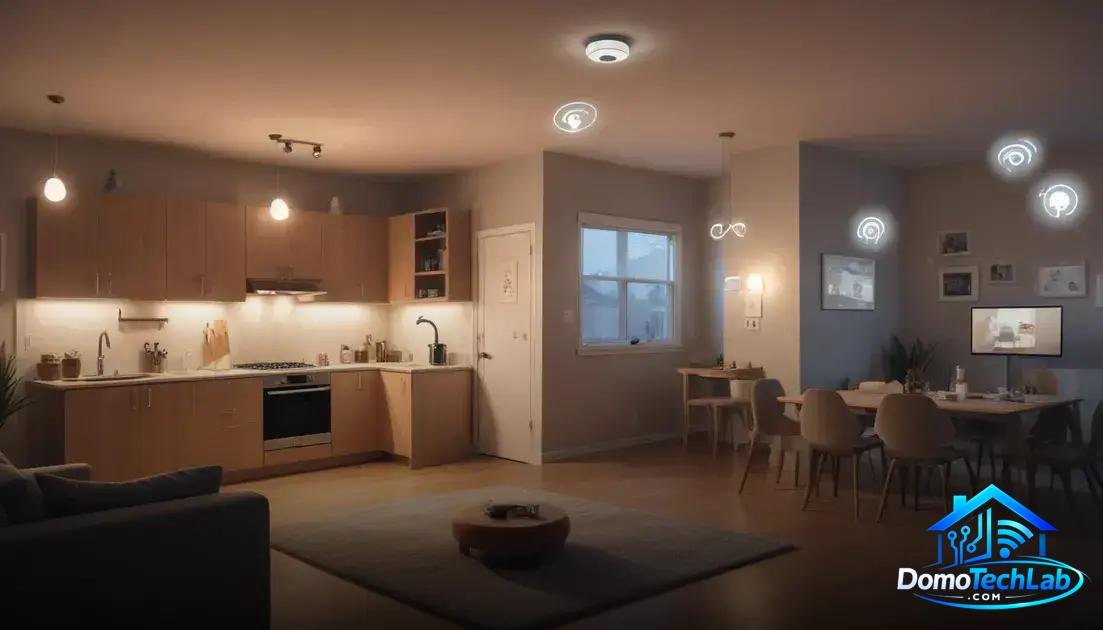
The practical use cases of Zigbee technology demonstrate its versatility and functionality in home automation. By implementing these devices, users can create configurations tailored to their specific needs.
Controlled Lighting
A common example is the use of smart bulbs that work with Zigbee. Users can program them to turn on and off at specific times or adjust brightness and color from an app. This functionality not only enhances convenience but can also contribute to energy efficiency.
Security Systems
Motion sensors and security cameras that utilize Zigbee are also standout examples. These devices can send real-time alerts to the user and trigger other functions, such as outdoor lights or alarms, significantly enhancing home security.
Conclusion: Discover the Power of Zigbee Smart Buttons
Leveraging local automation is essential for creating an efficient and secure smart home. Through the integration of Zigbee devices, you can enjoy seamless control and an enhanced user experience.
At DomoTechLab, we are committed to providing you with the knowledge and resources needed to optimize your home with cutting-edge technology. We encourage you to continue exploring and applying these solutions in your daily life.
Frequently Asked Questions about Zigbee Smart Buttons
Are Zigbee devices compatible with other protocols like Wi-Fi or Matter?
Yes, many hubs allow interoperability between Zigbee and other protocols, facilitating the integration of a variety of devices into a single ecosystem.
What types of devices can I control with Zigbee smart buttons?
You can control a wide range of devices, such as bulbs, smart plugs, switches, and security sensors, all within the same automation system.
Do I need a hub to use Zigbee devices?
Yes, a hub is necessary to manage your Zigbee device network. It acts as an intermediary, connecting devices to each other and to your control application.
How is the stability of the Zigbee network ensured in a home with many devices?
Zigbee uses a mesh network that extends range and stability, allowing devices to communicate with each other even if they are out of the direct range of the hub.
Is it possible to integrate Zigbee buttons into existing automation systems?
Yes, Zigbee smart buttons can be integrated into many existing automation systems, as long as you use a hub that is compatible with Zigbee technology.
What challenges might I face when implementing Zigbee technology in my home?
Common challenges include compatibility between brands, initial setup, and signal strength. However, with the right hub and good planning, many of these issues can be easily resolved.