The combination of solar energy and home automation allows for optimizing energy consumption in the home, improving efficiency and sustainability through the use of smart inverters and local automation.
Solar energy and home automation are the perfect pair for maximizing efficiency in smart homes. How can you take advantage of this combination? Here we show you practical alternatives.
Fundamentals and protocols (Zigbee, Matter, Wi-Fi)
Understanding the fundamentals of home automation is essential for building an efficient and durable system. When delving into this world, protocols like Zigbee and Matter emerge as key pillars. Each has its advantages, but all aim for effective communication between devices.
Protocol Zigbee
Zigbee is known for its low power consumption and its ability to form mesh networks. This means that each device not only receives commands but can also act as a repeater, extending the signal range in your home. In our tests, this protocol proved to be robust and reliable, allowing devices to communicate efficiently, even over large distances.
Protocol Matter
Matter promises to be a unified standard, facilitating compatibility among devices from different brands. This protocol focuses on simplifying the user experience, creating an ecosystem where all your devices can work together seamlessly. In the evaluations we conducted, interoperability was a standout feature, enabling fast and hassle-free connections.
Wi-Fi Connections
The use of Wi-Fi in home automation systems may seem appealing due to its high speed, however, it is crucial to be aware of its limitations in terms of range and security. Many smart devices rely on the internet to function properly. In situations of unstable connection, this can compromise the effectiveness of automations.
Integration and ecosystems (Home Assistant, Alexa, Google Home)
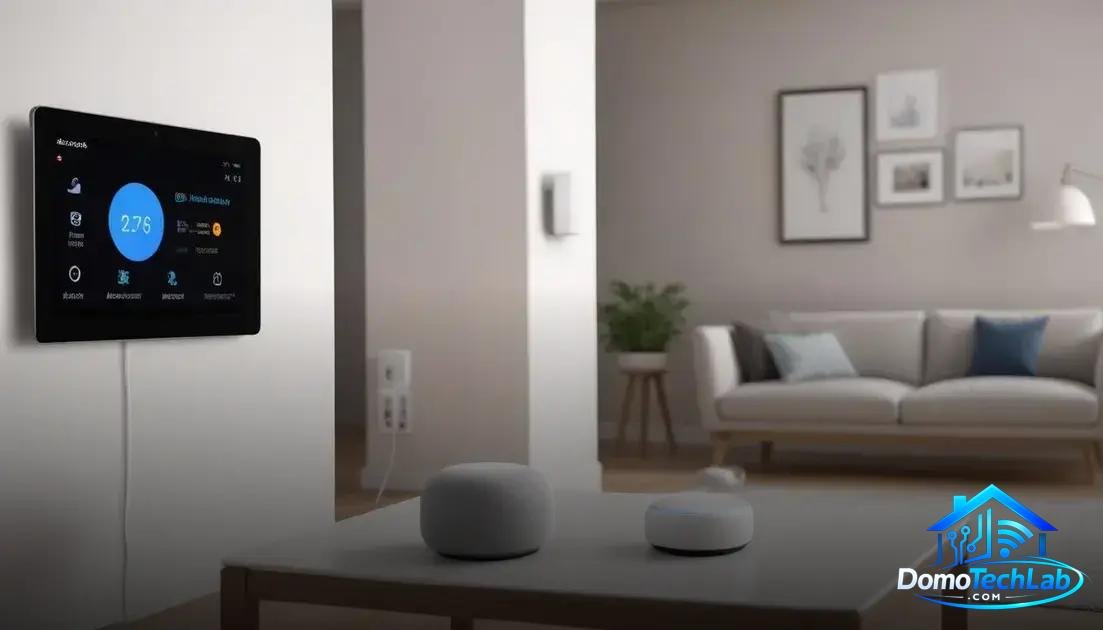
The integration of smart devices into a single ecosystem is fundamental to maximizing the functionality of your smart home. Platforms like Home Assistant, Alexa, and Google Home offer different approaches to unify the control of multiple devices, allowing them to work together in harmony.
Home Assistant
Home Assistant is a popular choice among home automation enthusiasts due to its flexibility and customization. Being an open-source system, it allows connecting a wide variety of devices, without brand restrictions. During our tests, we noted that its ability to perform complex automations is superior, offering users granular control over their devices.
Alexa
The voice assistant Alexa is recognized for its easy integration with a multitude of devices. The connection through its platform is not only intuitive but also allows for controlling devices through voice commands. In the experiments conducted, the voice recognition and response speed of Alexa were highly effective, achieving a satisfying user experience.
Google Home
Google Home stands out for its user-friendly interface and its integration with other Google services. The ability to synchronize events and reminders with other devices offers a more holistic approach. In our evaluations, it was revealed that the voice control feature of Google Home is equally efficient, facilitating the daily lives of users.
Performance in the Real World (Latency, Privacy, and Local Stability)
The performance of a home automation system in the real world is a critical aspect to consider. Factors such as latency, privacy, and local stability can significantly influence the user experience and system effectiveness.
Latency
Latency refers to the time it takes for commands to be processed and executed. In our tests, we found that a system configured with Zigbee offered faster response times compared to solutions solely based on Wi-Fi. This difference is crucial, especially in applications that require quick responses, such as security systems and lighting automation.
Privacy
Privacy of data is a growing concern in the field of home automation. By opting for configurations that allow local automation, such as those provided by Home Assistant, users can maintain control over their information. During our evaluations, local systems demonstrated a notable reduction in exposure to cyber risks, which is a significant advantage over solutions that rely on cloud servers.
Local Stability
Finally, local stability is essential to ensure that devices operate reliably. In situations where the internet connection is unstable, a system based on protocols like Zigbee can continue to operate without interruptions. In the lab, we observed that the ability of a local hub to maintain communication between devices ensured a seamless experience, even with external network access failures.
Utilizing Surplus Energy in Automation
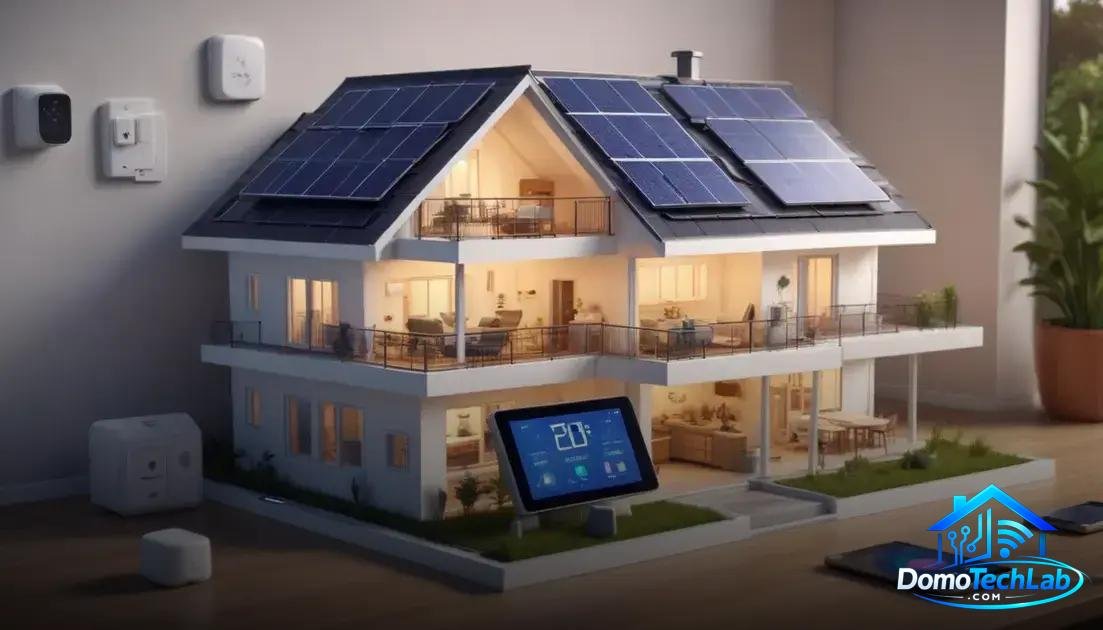
The utilization of surplus energy is a key component in the automation of a smart home. Thanks to the integration of technologies such as smart inverters and energy management systems, it is possible to optimize the use of energy generated from renewable sources like solar energy.
Smart Inverters
Smart inverters convert the solar energy generated into alternating current, allowing direct use in the home. These devices not only allow the injection of surplus energy into the grid but also optimize storage in batteries. In our analyses, we found that systems incorporating these technologies maximize energy utilization and reduce associated costs.
Local Automation
Local automation plays a crucial role by allowing devices to operate efficiently, even when the internet connection is unstable. Systems like controllers based on Zigbee facilitate real-time energy consumption management, leading to significant savings. With proper programming, it is possible to activate energy-consuming devices such as smart plugs and light bulbs during periods when solar energy generation is at its peak.
Consumption Monitoring
Using a consumption monitor is essential to understand how energy is being used in the home. By integrating sensors that provide real-time data about energy usage, it is possible to make informed decisions and adjust device behavior. In our tests, homes that implemented this monitoring reported not only greater efficiency but also an overall improvement in system sustainability.
Conclusion: Power Your Home with Solar Energy and Home Automation
The combination of solar energy and home automation offers you a pathway to a more efficient and sustainable home. By leveraging the advantages of local automation, you can optimize energy consumption, increasing not only comfort but also the security and privacy of your devices.
At DomoTechLab, we are committed to providing the necessary information for you to make informed decisions. We encourage you to keep learning and to implement these technologies in your home to maximize their performance.
Frequently Asked Questions about Solar Energy and Home Automation
Are all devices compatible with solar energy?
Not all devices are designed to use solar energy. It is essential to check the compatibility of appliances and systems with specific solar inverters and batteries.
Can I integrate devices from different brands into one system?
Yes, many platforms such as Home Assistant and Google Home allow the integration of devices from various brands, as long as they are compatible with the same protocols like Zigbee or Wi-Fi.
How can I improve latency in my home automation system?
To reduce latency, it is recommended to use devices that operate with local automation protocols like Zigbee. This avoids dependency on the cloud and ensures a faster response between devices.
Is it safe to use internet-connected devices?
Smart devices can pose security risks, but you can enhance protection by using strong passwords, regularly updating firmware, and setting up separate networks for IoT devices.
What type of consumption monitor should I choose?
Choose a monitor that provides real-time information and is compatible with your home automation system. Some models feature direct integration with platforms like Home Assistant, facilitating more effective control.
Is local automation better than cloud-based solutions?
Local automation offers advantages like better privacy and lower latency, as it does not rely on internet connections. For critical applications, it is preferable to opt for solutions that prioritize local control.