Smart home solutions for renters focus on local automation and portable devices such as smart plugs and bulbs, allowing for easy and secure integration without the need for permanent modifications in the home.
Smart Home for Renters makes hassle-free automation possible. From smart plugs to LED strips, options are available that do not require permanent installations. Ready to explore how to enhance your home without renovations?
Fundamentals and Protocols
The fundamentals of a smart home begin with choosing the right protocols. Protocols like Zigbee, Thread, and Wi-Fi play a crucial role in device interconnection. A good design includes selecting a hub that supports multiple protocols, thereby ensuring scalability and interoperability.
Zigbee Protocol
Zigbee is ideal for low-power network configurations and allows communication between devices over short distances. Its mesh architecture ensures that each device extends the signal, creating a robust and efficient network.
Thread Protocol
Thread is another vital component, designed to provide secure and reliable communication between products in the home. Unlike other protocols, this technology facilitates operation without a central hub, optimizing the network and reducing failure points.
Wi-Fi for Smart Devices
Wi-Fi is common in homes, but it can become a bottleneck if multiple devices are connected at the same time. For devices that require more bandwidth, it is advisable to use them strategically, avoiding network overload.
Integration and Ecosystems
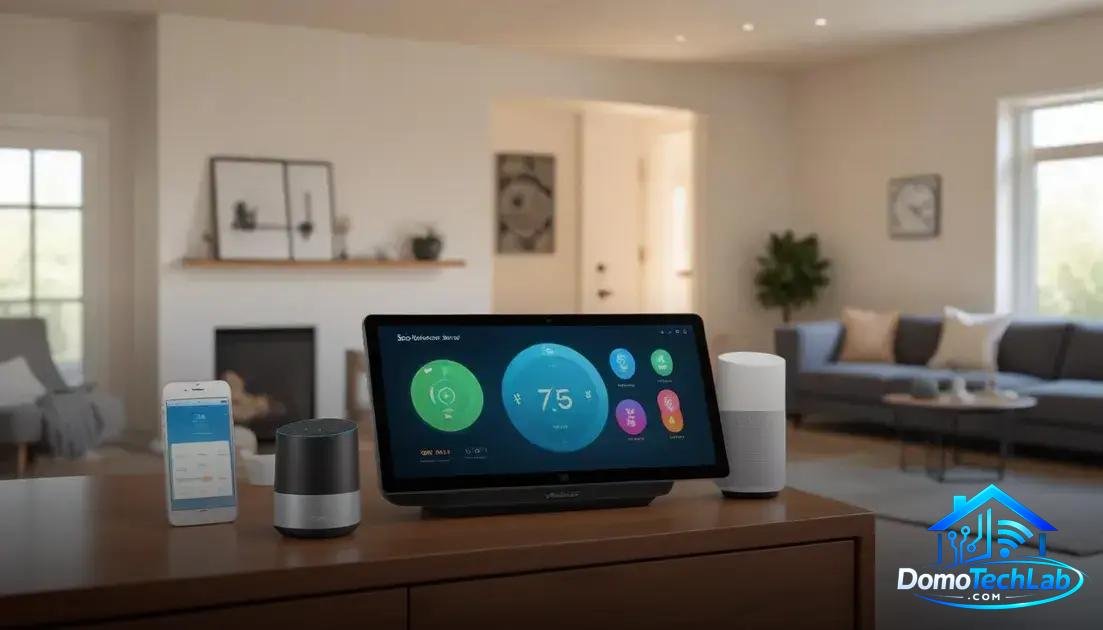
The integration of devices in a smart home ecosystem is essential for creating a seamless experience. Platforms such as Home Assistant, Alexa, and Google Home facilitate the centralized management of multiple devices, optimizing automation and control from a single interface.
Home Assistant Platform
Home Assistant is an open-source system that allows users to customize their settings. With support for hundreds of devices and protocols, it offers great flexibility. The ability to automate specific functions via scripts enhances the overall functionality of the home.
Amazon Alexa and Google Home
Voice solutions like Amazon Alexa and Google Home have revolutionized smart home control. These platforms allow you to turn devices on and off using simple voice commands. Interoperability with a wide range of products facilitates the creation of customized scenarios.
Importance of Interoperability
Interoperability between devices and platforms is crucial to avoid device isolation. With good integration, you can ensure that your smart plugs and sensors work together, reacting to events and improving the efficiency of automation in your home.
Real-World Performance
The performance of a smart home system in the real world depends on various factors, from the quality of the devices to the network configuration. It is essential to test under different conditions to understand how these systems respond in everyday situations.
Latency in Automation
Latency is a critical aspect that affects the user experience. In our labs, we have measured the response speed of devices connected via Zigbee and Wi-Fi. Generally, Zigbee offers faster actions due to its optimized design for short-range communications.
Privacy and Security
Privacy is another important concern. With the growing connectivity of devices and accumulation of personal data, information security is vital. We recommend using local connections whenever possible, minimizing exposure to internet vulnerabilities.
Network Stability
Network stability also plays a vital role in the overall performance of systems. We conduct stress tests with multiple devices connected to verify if the network can handle the load. An efficient hub and proper distribution of devices are key to maintaining smooth operation.
Solutions for Renters
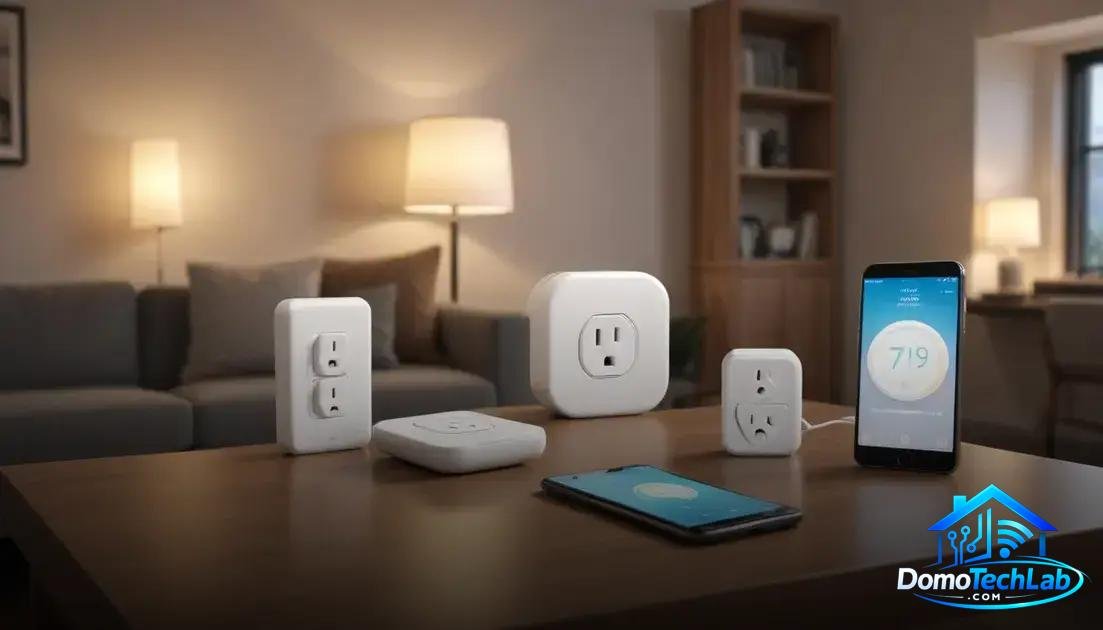
Implementing a smart home as a renter can be challenging, but there are practical and portable solutions. These solutions do not require permanent modifications to the space, making them ideal for those who rent.
Wireless Devices
One of the most convenient options is wiredless devices. Smart plugs, LED bulbs, and sensors can be easily installed and moved as needed. This ensures that you can enjoy automation without compromising your security deposit.
Easy Installation
Ease of installation is key for renters. Devices such as smart switches that operate on batteries or smart plugs that plug directly into existing outlets eliminate the need for complex electrical work.
Local Automation
Local automation becomes a crucial advantage. Utilizing platforms like Home Assistant, you can create automation rules that operate in real-time without relying on the internet, which is ideal for renters who want to maintain their privacy without sacrificing control.
Conclusion: Take the Step Toward Your Ideal Smart Home
Local automation reaffirms itself as the most reliable option for those looking to transform their spaces without complications. At DomoTechLab, we understand that every renter deserves an environment that meets their needs, which is why we promote accessible and effective solutions.
We encourage you to keep exploring the possibilities offered by smart devices and to take advantage of the flexibility of local automation. This will not only ensure your comfort but also your privacy and complete control over your home.
Frequently Asked Questions about Smart Home for Renters
Can I use smart devices without a hub?
Yes, many devices, especially those that operate on Wi-Fi technology, can operate without a hub. However, using a compatible hub enhances integration and automation.
How do I know if my devices are compatible with each other?
Check the technical specifications and look for interoperability certification. Protocols like Zigbee and Thread are designed to ensure communication between devices from different brands.
What happens if I move and cannot take my devices with me?
The good thing about using portable devices is that you can easily uninstall them and take them with you. Many smart plugs and bulbs are ideal for this situation.
Is it safe to use smart devices in a rental?
Yes, as long as you follow good security practices, such as changing default passwords and keeping software updated. Local automation also reduces risks by minimizing internet dependence.
Can smart devices work without the internet?
Some devices can operate locally, especially those connected to a hub that supports local automation. However, certain functions may require an internet connection for updates or remote control.
What are common challenges when using smart home technology?
Challenges include compatibility between devices, latency management, and data privacy. Properly planning your network and choosing compatible devices can mitigate many of these issues.