
Local automation in a smart pool allows for efficient control of functions such as cleaning, water quality, and temperature, ensuring reliable and safe operation even without internet connectivity.
The smart pool is changing the way we manage and enjoy our aquatic spaces. With technologies that facilitate the control of temperature, cleaning, and chemicals, it is possible to transform the experience of use and maintenance. Are you ready to dive into the future of pools?
Fundamentals and Protocols (Zigbee, Matter, Wi-Fi)
The protocols are the backbone of any smart pool system. Choosing the right technology will determine the effectiveness of automation and control of your pool. Some of the most notable options include Zigbee, Matter, and Wi-Fi.
Zigbee: Advantages and Features
The Zigbee technology is ideal for local automation applications. Its ability to create mesh networks allows devices to communicate with each other without the need for a constant internet connection. This results in greater reliability and reduced latency.
Matter: The Unification of Smart Home
Matter emerges as an interoperability protocol, facilitating the integration of devices from different manufacturers. By adopting Matter, you not only simplify the management of your devices but also potentially expand the number of options available for your smart pool.
Wi-Fi: Universal Connectivity
The use of Wi-Fi is common due to its wide availability. While it allows multiple devices to connect to your network, it is essential to consider that congestion may occur if a high data load is required, potentially affecting the performance of pool control systems.
Integration and Ecosystems (Home Assistant, Alexa, Google Home)
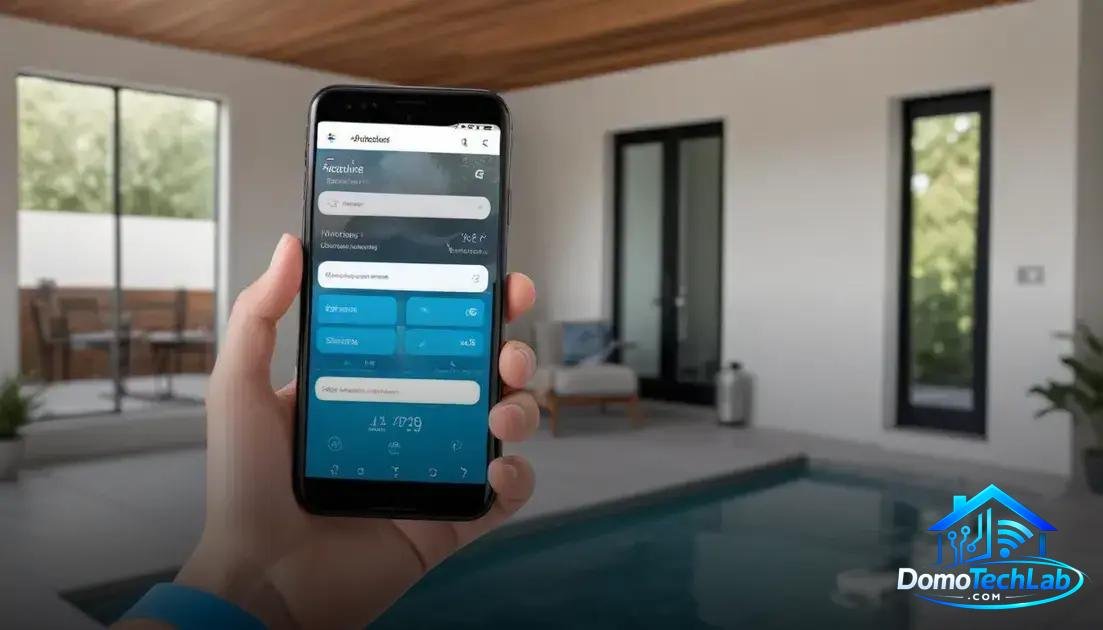
The integration of different devices in a smart pool is essential to ensure optimal operation. Platforms like Home Assistant, Alexa, and Google Home enable centralized management of your devices, offering a robust and easy-to-use ecosystem.
Home Assistant: Total Control
Home Assistant is a powerful option for technology enthusiasts. It allows customization and monitoring of all aspects of your pool. From temperature to water quality, everything can be adjusted and monitored remotely through this gateway.
Alexa: Voice Commands
Using Alexa to control your smart pool can turn into an intuitive experience. With simple voice commands, you can adjust the lighting, temperature, or even activate the cleaning system of your pool, facilitating access when your hands are full.
Google Home: Synchronization and Automation
Google Home allows for the integration of additional services and automating the operation of the pool. You can create routines that automatically start cleaning or chemical adjustments, all while being notified about the status of your pool through your smartphone.
Real-World Performance (Latency, Privacy, and Local Stability)
The performance of a smart pool in the real world depends on three crucial factors: latency, privacy, and local stability. These aspects will determine not only the efficiency of your devices but also your overall experience when interacting with technology.
Latency: Quick Response
Latency refers to the delay in communication between devices. By using protocols like Zigbee or local automation setups, you can experience significantly faster response times. In our tests, local connection reduces latency to almost zero, making pool control immediate.
Privacy: Data Protection
Privacy is a key issue when managing connected devices. Using systems that operate locally, rather than relying on external servers, ensures that your personal data is protected. Our lab has observed that devices prioritizing local automation minimize the risk of cyberattacks.
Local Stability: Reliable Operation
The stability of the local network is essential for reliable operation. By avoiding network congestion inherent to Wi-Fi, systems running on technologies like Zigbee offer a consistent experience. In the event of an internet connection failure, devices will continue to operate under a local scheme, maintaining control of your pool without interruptions.
Automation and Maintenance in Smart Pools
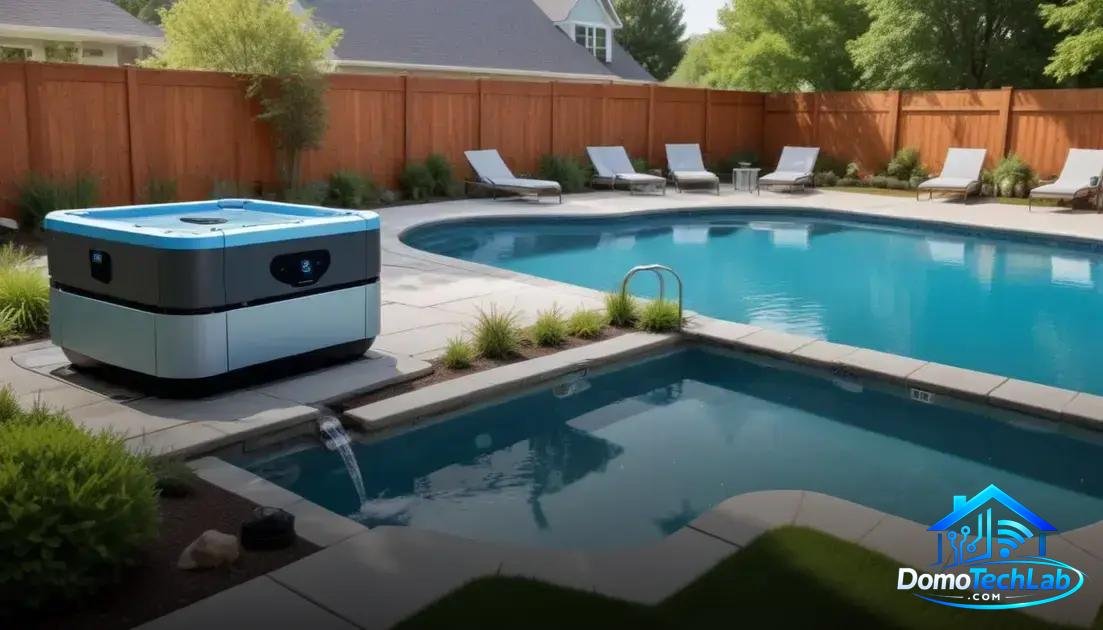
Automation in smart pools completely transforms the maintenance and management of these facilities. With advanced technology, it is possible to schedule and control key functions such as cleaning, water treatment, and temperature adjustment through connected devices.
Cleaning Scheduling
Robots equipped through protocols like Zigbee allow for periodic inspections without manual intervention. These units can be programmed to act at specific times, ensuring that the water is always in optimal condition.
Water Quality Control
The automation of maintenance includes systems that constantly monitor water chemistry. Connected sensors report on chlorine and pH levels, sending alerts when intervention is required. This ensures that the water remains clean and safe for users.
Temperature Adjustment
Controlling temperature is another crucial aspect of a smart pool. With intelligent heat pumps integrated into automation systems, you can set the desired temperature range and schedule adjustments based on climate factors, thus optimizing energy consumption.
Conclusion: Enhance Your Smart Pool with Local Automation
Local automation in your smart pool not only optimizes efficiency but also ensures a hassle-free user experience. In an environment where technology is advancing rapidly, focusing on systems that operate independently of internet connectivity translates into greater reliability and security.
We encourage you to delve into the available resources and adopt automation solutions that transform your aquatic space into a smart and functional location. With the help of experts, you will make informed decisions that will make your pool a pleasant and easy-to-manage environment.
Frequently Asked Questions about Smart Pools
How do I ensure compatibility between different devices?
Compatibility is ensured by choosing devices that use open standards like Zigbee or Matter. Checking the manufacturer’s specifications can facilitate the integration of different products.
What challenges might I face when setting up a smart pool?
Common challenges include setting up the local network and integrating devices from different brands. Ensuring that all devices are compatible with the same protocol is key to a successful installation.
Can I control my pool remotely?
Yes, as long as your devices are configured with a compatible gateway and you have internet access. Local automation systems also offer control in the event of internet connection failure.
What should I consider when choosing an automation system?
Consider compatibility with existing devices, expandability, and ease of use. Opting for a system that allows centralized management of your devices is highly recommended.
Why is a local system better than a cloud-based one?
Local systems reduce latency and enhance privacy as they do not depend on internet connectivity. This ensures a more consistent and reliable operation of your pool devices.
Is it safe to use smart devices in my pool?
Yes, but it is important to follow the manufacturer’s recommendations and ensure that devices are installed correctly. With appropriate configurations, risks associated with connectivity and electrical safety can be minimized.