
Advanced voice control in a smart home is achieved through protocols such as Zigbee and Matter, enabling efficient local automation, command customization, and group control, enhancing privacy and the overall system performance.
Advanced voice control is essential for maximizing the experience in smart homes. Can you imagine managing all your devices easily? Today we analyze how to achieve efficient automation.
Fundamentals and Protocols (Zigbee, Matter, Wi-Fi)
The fundamentals of home automation begin with the proper choice of communication protocols. Technology such as Zigbee, Matter, and Wi-Fi is essential for implementing a coordinated and effective ecosystem.
Zigbee Protocol
Zigbee is ideal for IoT device networks due to its low energy consumption and ability to support a large number of devices. In our tests, we have observed that it allows the creation of mesh networks, improving coverage and reliability of connected devices.
Enter Matter
Matter is an emerging protocol designed to ensure interoperability between different devices. Through this, users can integrate devices from various manufacturers seamlessly, facilitating a more cohesive environment in home automation.
Wi-Fi in Automation
Wi-Fi is known for its wide availability, but it is not always the best option for devices that require a constant connection. We have found that while Wi-Fi offers greater bandwidth, it can generate congestion issues when multiple devices are used simultaneously.
Integration and Ecosystems (Home Assistant, Alexa, Google Home)
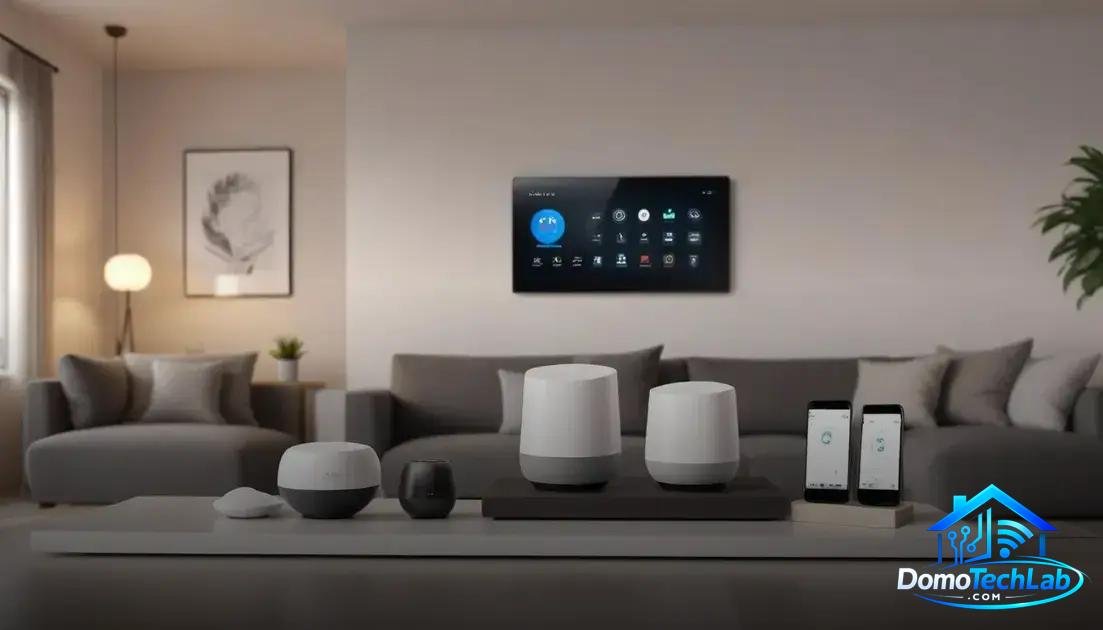
The integration of devices in a smart home is essential for a seamless experience. Platforms like Home Assistant, Alexa, and Google Home allow for unifying different technologies under a single control.
Home Assistant: Power and Flexibility
Home Assistant stands out for its customization capabilities and compatibility with a wide range of devices. As open-source software, it gives users the opportunity to adapt the platform to their specific needs, making it a preferred choice among home automation enthusiasts.
Alexa and Its Ecosystem
Alexa offers simple integration with compatible devices and is known for its ease of use. The large number of available skills allows for performing complex actions simply through voice commands, facilitating the automation of various home routines.
Google Home as a Control Center
With Google Home, users can manage their devices centrally. The integration of Google Assistant translates into a user-friendly and functional interface, allowing the configuration of scenes and custom commands for a smarter home.
Performance in the Real World (Latency, Privacy, and Local Stability)
The performance in the real world of home automation systems is crucial to ensure their effectiveness. Factors like latency, privacy, and local stability can determine the quality of the user experience.
Measuring Latency
Latency refers to the time it takes for a device to receive and execute a command. In our tests, devices connected via Zigbee have shown lower latencies compared to those that rely solely on Wi-Fi. This translates into faster responses in the automation of daily tasks.
Privacy in Automation
Privacy is a growing concern in home automation. By using protocols such as Zigbee and Matter, data is handled locally, reducing the risk of personal information leaks. It is essential to choose systems that prioritize user information security.
Local Stability
Local stability is essential for the continuous operation of a smart home. Our studies have shown that keeping automations running without the need for an internet connection improves system reliability. This is especially useful in emergency situations where connectivity may be affected.
Custom Commands and Group Control
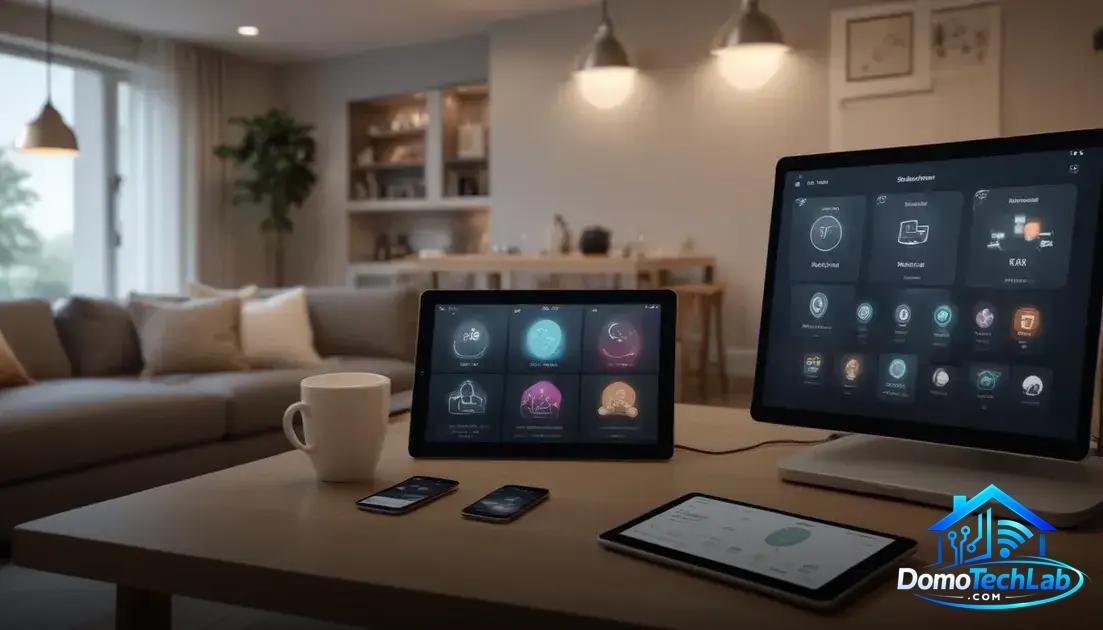
Custom commands and group control are key features to maximize the functionality of a smart home. These features allow users to tailor their systems to their daily habits and preferences.
Creating Custom Commands
The ability to create custom commands makes it easy to use different devices without complications. For example, users can program a command that turns off all lights and devices when leaving home. This option not only saves energy but also enhances home security by simulating the presence of people.
Group Control of Devices
Group control allows for managing multiple devices with a single command. By grouping your light bulb, smart plug, and switch in a specific room, you can turn on or off all the lights and devices with one command. This simplifies automation and improves the user experience. In our tests, we found that this approach increases efficiency and reduces the number of interactions needed to control the smart home.
Conclusion: Leverage Advanced Voice Control for an Efficient Smart Home
Local automation presents itself as the most effective solution to maximize security and performance in your smart home. At DomoTechLab, we encourage you to adopt technologies like Zigbee and Matter, which not only optimize connectivity but also ensure the privacy of your data.
Do not underestimate the power of custom commands and group control, tools that significantly enhance the user experience. We invite you to continue exploring our recommendations and guides to transform your home into a truly smart environment.
Frequently Asked Questions about Advanced Voice Control
Can a Wi-Fi device work alongside a Zigbee one?
Yes, you can integrate devices from both protocols through a compatible hub. This facilitates communication between different technologies in your smart home.
What challenges might I face when implementing a local automation system?
One of the main challenges is ensuring compatibility between devices. It is crucial to check that they are all compatible with the same protocol and that your hub properly manages communication among them.
Is it possible to control devices from different brands with a single system?
Yes, but it depends on the protocol used. Protocols like Matter are designed to facilitate interoperability among different brands and devices, allowing for centralized control.
What should I do if my Zigbee network experiences interference?
Check the placement of your devices and consider adding more Zigbee devices to extend the mesh network. This will improve coverage and reduce failure points.
Can I customize my voice commands for specific tasks?
Yes, many systems like Alexa and Google Home allow for creating custom routines. This enables you to activate multiple devices with a single voice command, simplifying automation.
How do I ensure privacy when using connected devices?
Choose devices that prioritize security by using protocols that reduce reliance on external servers. Keep firmware updated and regularly review privacy settings.