
A smart garden optimizes irrigation and water resource usage by integrating devices with Zigbee technology, local control, and weather forecasts, thus improving plant health and reducing water consumption.
Smart garden is the solution many seek to optimize water usage. Imagine a system that only waters when it actually needs it, saving resources and effort. In this article, we will unpack the technologies behind a smart garden and how to implement them effectively.
Automation Fundamentals and Protocols
To create a smart garden, it is essential to understand the automation protocols that facilitate device integration. Choosing technologies like Zigbee or Thread is crucial, as they allow for efficient communication between moisture sensors, irrigation controllers, and other devices.
Protocols and Their Role in Garden Automation
Protocols such as Zigbee ensure that devices communicate over a low-power network, ideal for technologies requiring constant connection without draining the battery. On the other hand, Thread provides a secure mesh network that allows devices to connect to each other without a central server, increasing network robustness.
Practical Implementation Examples
A moisture sensor connected via Zigbee can automatically activate when it detects that the soil is dry. By integrating an irrigation controller, the system can optimize watering based on water usage patterns and weather forecasts, reducing expenditure and improving plant performance.
Integration of Smart Devices in the Home
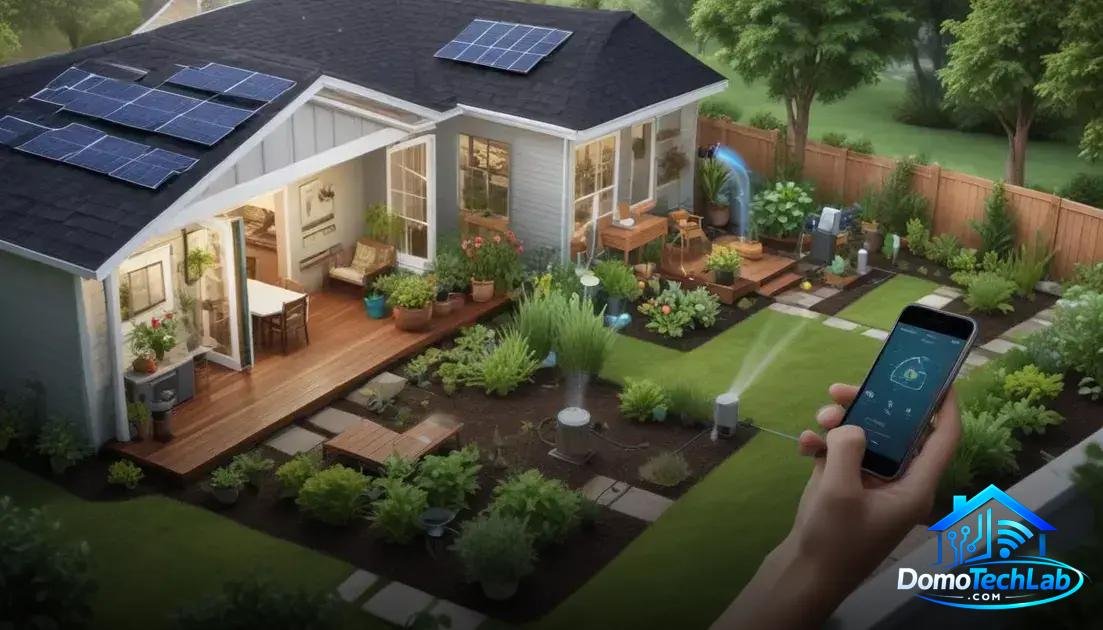
The integration of smart devices in the home is essential to maximize the efficiency of a smart garden. By combining different automation technologies, synergies can be achieved that optimize both irrigation and maintenance of the green space.
Device Interconnection
Using a hub as a gateway allows different devices, from moisture sensors to irrigation controllers, to operate in a coordinated manner. This is especially important to ensure that water is distributed only when needed, based on information gathered from the sensors.
Automation Ecosystems
Integrating platforms like Home Assistant or voice systems like Alexa and Google Home enables simple control and programming of irrigation. Users can create routines that initiate automatic watering based on weather conditions, optimizing water consumption and plant health.
Performance in Automatic Irrigation and Monitoring
The performance in automatic irrigation is vital to ensure that each plant receives the right amount of water. Utilizing advanced technology, irrigation systems integrated with sensors make garden care more efficient and effective.
Real-Time Monitoring
Moisture sensors play a crucial role in soil monitoring. By sending data to the local automation hub, irrigation can be adjusted based on current conditions. This not only saves water but contributes to the long-term health of the plants.
Results Evaluation
In our tests, we observed improved plant growth when using an automatic irrigation system in conjunction with weather forecasts. The ability to anticipate rainfall and adjust watering accordingly has proven vital for resource conservation and garden sustainability.
Water Savings in Gardens with Weather Forecast Integration
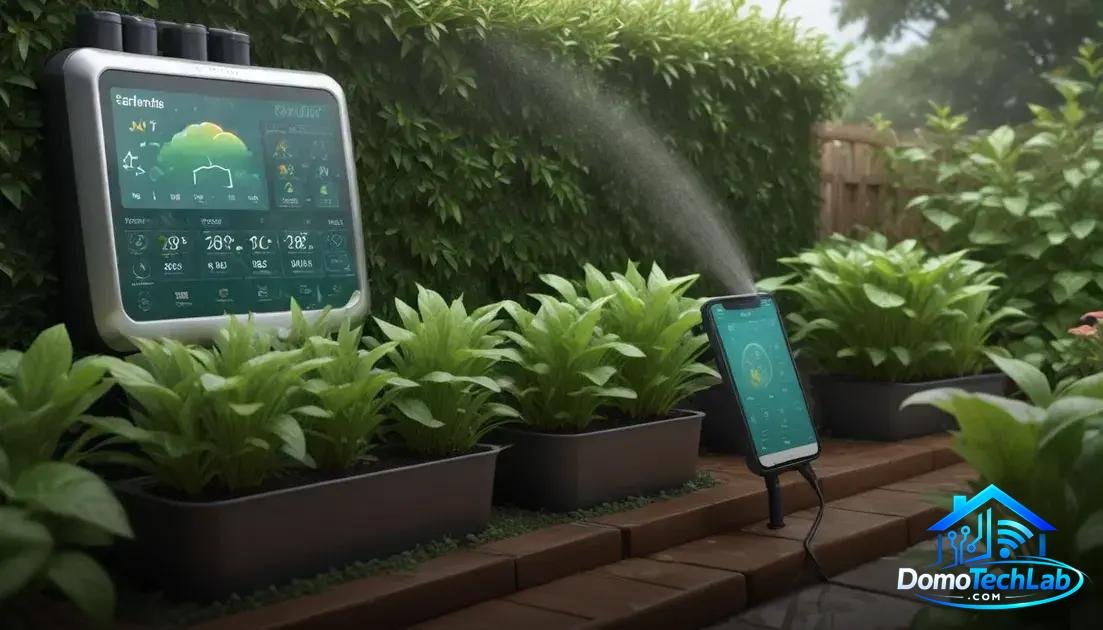
The water savings in gardens is a growing concern, especially in areas with changing climates. The integration of automated irrigation systems with weather forecasts can reduce waste and optimize water resource usage.
How Weather Forecasting Works
Smart irrigation devices can connect to weather forecast services, allowing the system to automatically adjust watering based on real-time weather conditions. If rain is anticipated, the system delays watering, thus preventing overwatering.
Long-Term Benefits
Automating irrigation based on weather data not only minimizes water consumption but also improves plant health. By avoiding unnecessary watering, optimal growth is promoted, and costs associated with water are reduced, creating a more sustainable environment.
Conclusion: Optimize Your Smart Garden with Local Automation
Implementing a smart garden not only simplifies plant care but also promotes efficient use of water resources. The key lies in local automation, which ensures that your devices operate effectively without relying on external connections.
At DomoTechLab, we provide support and technical knowledge to help you make informed decisions. We encourage you to continue exploring how to maximize technology in your garden and enjoy a more sustainable and automated environment.
Frequently Asked Questions about Smart Gardens
Can I integrate non-Zigbee compatible devices?
Yes, you can use a gateway or hub that supports multiple protocols. This allows you to connect devices from different brands and technologies into a unified network.
What to do if the irrigation system is unresponsive?
Check the hub connection and ensure that the moisture sensors are correctly installed. Also, verify that the system software is up to date to avoid compatibility issues.
Is it possible to automate irrigation based on local weather conditions?
Yes, by integrating a weather forecast service into your system, you can automatically adjust watering according to predicted rain and soil moisture to optimize water use.
How many devices can I connect to a single Zigbee hub?
A Zigbee hub can support up to 200 devices, depending on the capacity of the specific model. This allows for extensive control of your garden and other areas of the home.
How can I improve the signal of devices in a large garden?
To extend the signal, you can use repeater devices that enhance the Zigbee network. Alternatively, consider installing a second gateway if the area is very large.
Can smart devices be controlled without the internet?
Yes, many systems allow for local control without needing an internet connection. This is ideal for maintaining the operation of your smart garden even in the event of network failures.