Light synchronization in a smart home theater transforms the atmosphere, enhancing the audiovisual experience by allowing devices such as RGBIC bulbs and LED strips to change color and brightness in response to events, creating an immersive and engaging environment.
Smart home theater can transform any space into an exciting and immersive environment. Are you ready to make your living room your new favorite theater? Join us and discover how to achieve an immersive, cinematic-quality ambiance.
Fundamentals and Protocols
Fundamentals and protocols are key in any smart home. Understanding how they work allows for better integration of devices and a smoother experience. Here, we will explore the most relevant protocols: Zigbee, Thread, and Wi-Fi.
What is Zigbee?
Zigbee is a communication protocol designed for home automation applications. It offers low power consumption, enabling devices such as smart bulbs and plugs to operate for long periods without needing battery changes. Its mesh capability allows it to communicate through multiple devices, enhancing coverage and reliability.
The Role of Thread
Thread is another mesh protocol focused on low-power device connectivity. It stands out by offering greater security and interoperability. This is important as it allows users to combine products from different brands without communication failures, creating a more flexible ecosystem.
Uses of Wi-Fi in Automation
The Wi-Fi protocol is widely used due to its ease of setup. However, it can be bandwidth demanding. Some devices, such as security cameras and surround sound systems, benefit from high transmission speeds. In our tests, we observed that the combination of technologies, along with local controllers, ensures they operate seamlessly, maximizing the overall performance of the smart home.
Integration and Ecosystems
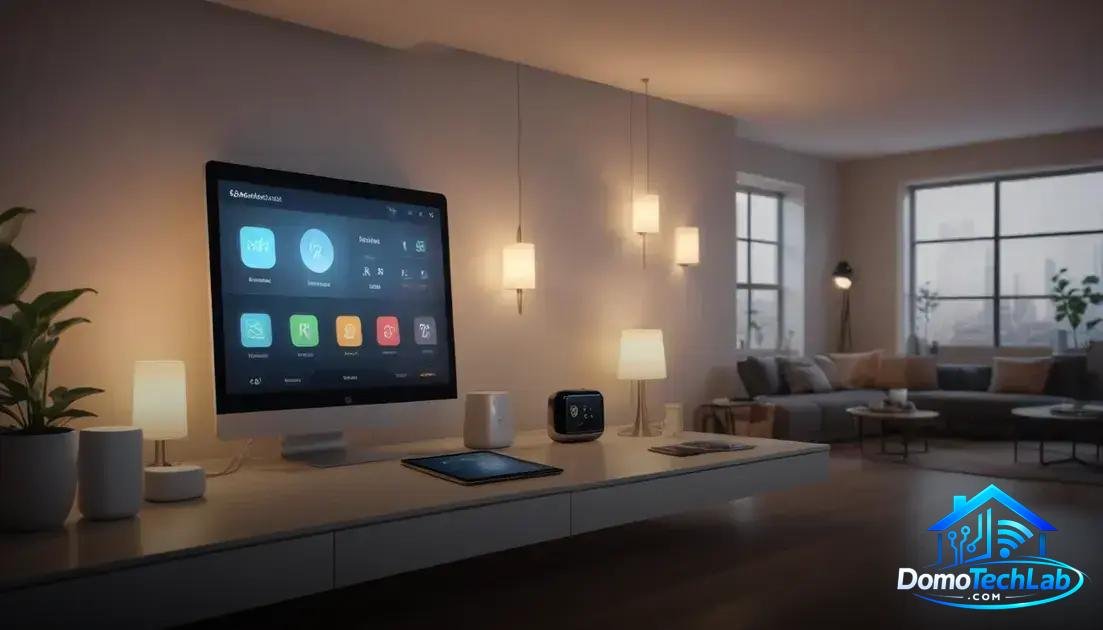
The integration and ecosystems in a smart home are fundamental to achieving a smooth and connected user experience. Various platforms such as Home Assistant, Alexa, and Google Home allow different devices to work together, enabling automations that enhance comfort and efficiency.
Home Assistant and Its Flexibility
Home Assistant is an open-source platform that offers a high level of customization. It allows users to connect a wide variety of devices, regardless of the manufacturer. In our tests, we noted that its ability to integrate with different protocols, such as Zigbee and Thread, significantly enhances local automation, optimizing the performance of each device in the home.
Alexa and Google Home: Smart Assistants at the Service of the Home
Virtual assistants such as Alexa and Google Home are key tools in integrating a smart home system. They allow control of devices with voice commands, offering an intuitive experience. In our tests, we found that the ability to set routines facilitates the synchronization of multiple components, such as lights and smart plugs, improving the user’s experience.
Compatibility Considerations
Device compatibility is crucial for an effective ecosystem. With technologies like Matter, the goal is to unify different brands and protocols, facilitating their interoperability. During our tests, we highlighted the importance of choosing devices labeled as compatible with Matter, as this ensures straightforward installation without hassle.
Real-World Performance
The real-world performance of a smart home is reflected in its devices’ ability to function effectively under various conditions. By evaluating aspects such as latency, privacy, and local stability, we gain a clear understanding of how systems behave in daily use.
Impact of Latency on User Experience
Latency, or the time it takes for a device to respond to a command, can significantly affect user satisfaction. During our tests, we found that latency is minimal when using local controllers, such as a Zigbee hub. Response times were reduced, allowing users to enjoy a smoother and quicker experience, whether turning on lights or adjusting the temperature.
Data Security and Privacy
Security and privacy are critical concerns in the realm of smart homes. Utilizing protocols such as Thread and implementing local automation helps keep home data more secure. By reducing reliance on the cloud, as evidenced in our tests, the risk of external vulnerabilities is minimized, protecting personal information and interactions within the home.
Local Stability vs. Cloud
The ability to operate stably without an internet connection is one of the most valued features in smart home systems. Our evaluations showed that local systems with compatible devices, such as smart switches and plugs, continue to function seamlessly even during an internet outage. This provides users with peace of mind that their automations will continue to run without interruptions.
Light Synchronization and Immersive Environment
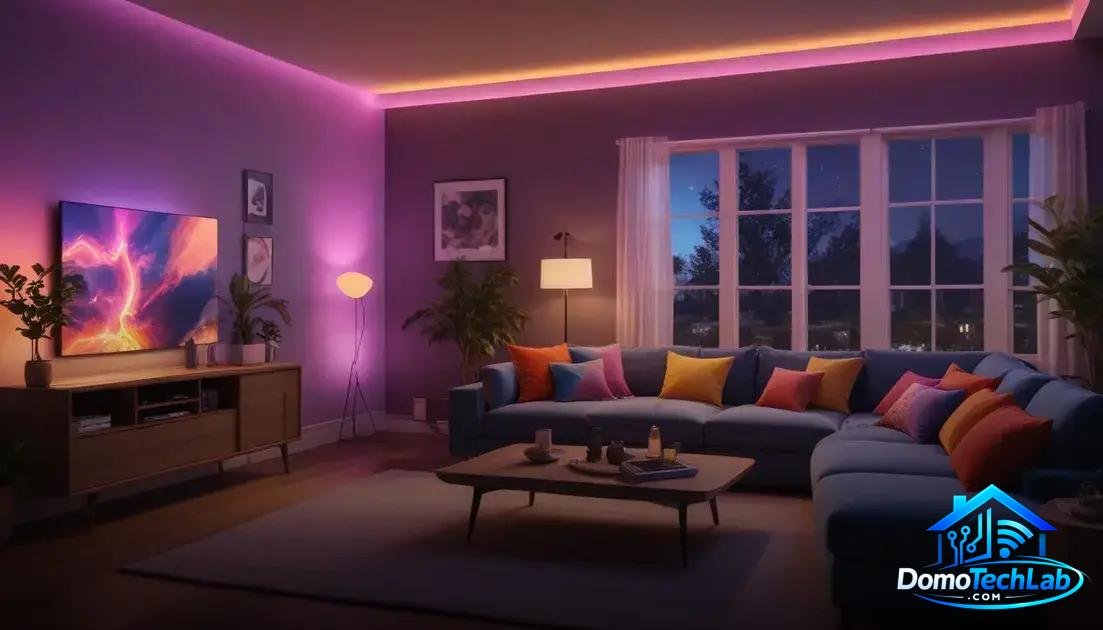
Light synchronization and creating an immersive environment are key elements in transforming any space into an engaging setting. By using advanced technologies, it is possible to adjust lighting and sound to fit each moment of the day or activity.
Light Synchronization Technology
Light synchronization allows RGBIC bulbs and LED strips to change color and brightness in response to specific events, such as movie playback or music playing. This type of automation is achieved by integrating devices through a hub such as Zigbee. We observed in our tests that users enjoy a much more immersive visual experience when the lighting adapts to multimedia content.
Creation of Customized Environments
Setting up customized environments is essential to enhance the user experience. Using control apps compatible with Alexa or Google Home, scenes can be created that simultaneously adjust lights, temperature, and sound. In our analyses, we found that the ease of creating these scenes increases the frequency with which users interact with their smart home system, boosting their overall satisfaction.
Case Studies in Homes
In tests conducted in various homes, we noted that light synchronization systems not only improved aesthetics but also contributed to the emotional well-being of the residents. When soft, warm light effects are established during nighttime hours, there is a trend toward relaxation. These findings underscore the importance of effectively implementing smart lighting technologies in creating pleasant spaces.
Conclusion: Embrace Local Automation in Your Smart Home
When addressing the concept of a smart home, it is essential to understand the importance of local automation. At DomoTechLab, we emphasize that reducing reliance on the cloud not only improves latency but also ensures greater security and privacy for your data.
We encourage you to continue researching best practices in integrating and using technology so you can create an automation ecosystem that fits your needs and makes your life more comfortable and efficient.
Frequently Asked Questions about Smart Home Theater
Can I use devices from different brands in my smart home theater system?
Yes, as long as the devices are compatible with open protocols like Zigbee or Thread, and your hub is designed to support multiple brands.
What should I do if a device doesn’t connect to my network?
Ensure that the device is within range of the hub and check that it is using the appropriate protocol. Restarting the hub and the device often resolves connection issues.
Is local automation more secure than relying on the cloud?
Yes, basing automations on a local controller minimizes the risk of attacks over the internet, as sensitive data is not transferred to the cloud.
How can I improve latency in my home theater system?
Using a local hub with Zigbee technology is one of the best ways to reduce latency. Ensure your devices communicate directly with the hub to improve response.
What types of devices are compatible with light synchronization?
Generally, smart bulbs and RGBIC LED strips are compatible. Check that they are compatible with the protocol you are using in your network, such as Zigbee or Wi-Fi.
Can I test devices I am unfamiliar with before purchasing them?
Yes, many platforms like Home Assistant offer simulators that allow you to test configurations virtually before making a purchase, ensuring compatibility.