
Smart WiFi shades optimize light and energy management in the home through local control, integration with voice assistants, and efficient solar automation.
Smart WiFi shades are transforming the way we manage light and temperature in our homes. Can you imagine waking up to natural light without lifting a finger? In this article, we will explore how this type of shade not only offers convenience but also significant energy savings.
Fundamentals and Protocols (Zigbee, Matter, Wi-Fi)
The fundamentals of a smart home are built on communication protocols. The most common include Zigbee, Matter, and Wi-Fi. Each offers unique features that cater to diverse needs and levels of automation.
Zigbee: Low-Power Protocol
Zigbee is known for its energy efficiency. This protocol operates on a mesh network, meaning devices communicate with one another, creating a more robust network. This is ideal for devices like sensors and smart bulbs that require battery.
Matter: The New Era of Interoperability
Matter has established itself as an open and unifying standard for smart devices. By enabling communication between different ecosystems, it simplifies the integration of devices from various brands, reducing complexity in home automation.
Wi-Fi: Fast and Versatile Connectivity
Wi-Fi is perhaps the most familiar protocol for the average user. It allows the rapid transmission of large amounts of data, ideal for technologies that require high speed, such as security cameras. However, intensive use can affect the performance of other devices if not managed properly.
Integration and Ecosystems (Home Assistant, Alexa, Google Home)
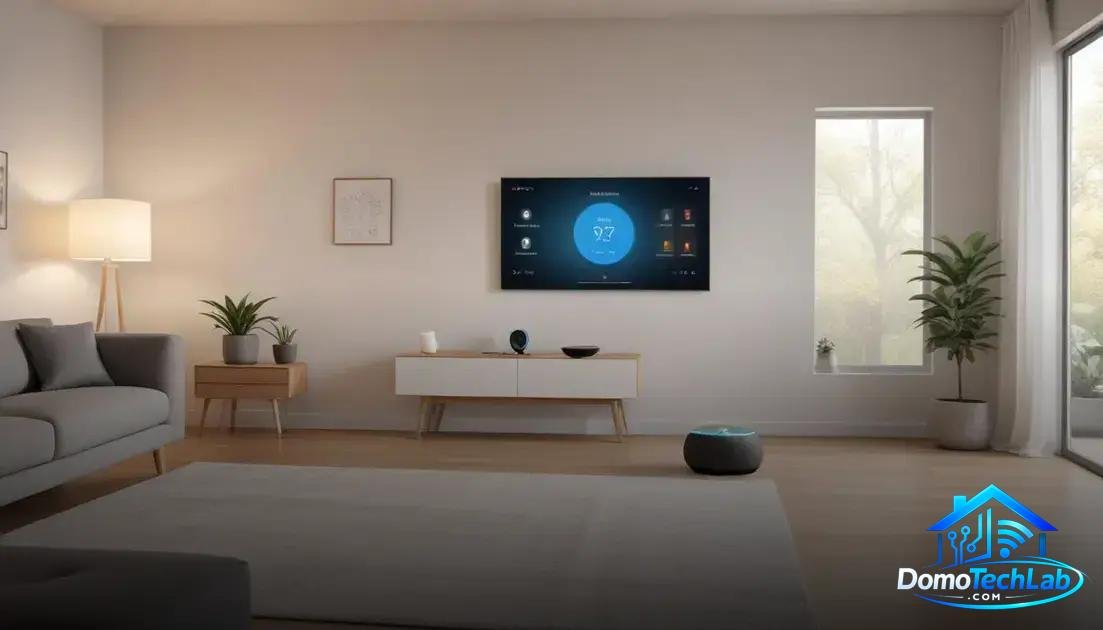
The integration of devices in a smart home is crucial for optimizing their functionality. Platforms like Home Assistant, Alexa, and Google Home allow you to connect and manage various devices from a single location.
Home Assistant: Total Control at Your Fingertips
Home Assistant is a local automation platform that provides extensive control over devices from different manufacturers. With its customization capabilities, you can create complex automations tailored to your specific needs and enhance your home experience.
Alexa: Virtual Assistant and Voice Integration
Alexa from Amazon not only functions as a voice assistant but also acts as a hub that can control smart devices. Thanks to its extensive compatibility, you can manage lights, thermostats, and more, all with simple voice commands, providing a practical and accessible experience.
Google Home: Smart Ecosystem
Google Home offers seamless integration with a variety of devices. Its ability to learn from your routines and preferences allows it to automatically adjust your home settings to maximize comfort and energy efficiency. Moreover, the voice control feature facilitates interaction with your devices, making automation more intuitive.
Real-World Performance (Latency, Privacy, and Local Stability)
The performance of devices in the real world is a crucial factor when considering your smart home. Factors like latency, privacy, and local stability directly impact the user experience.
Latency: The Response Speed
Latency refers to how long it takes a device to respond to a command. In our tests, devices operating on Zigbee technology showed a significantly faster response compared to those connected only to Wi-Fi. This is vital for applications requiring immediate action, such as security systems or automated lights.
Privacy: Data Protection at Home
Privacy is an increasing concern in the realm of home automation. Using devices that allow local automation, such as those from Home Assistant, can help keep your data off external servers, reducing the risk of data breaches and ensuring that your personal information stays in your home.
Local Stability: Reliability During Disconnections
Local stability is crucial for uninterrupted operation. Tests conducted showed that systems using local controllers do not rely on Internet access, which means you can continue using your devices even during connection outages. This capability is essential for maintaining functionality in a smart home.
Solar Automation and Energy Control
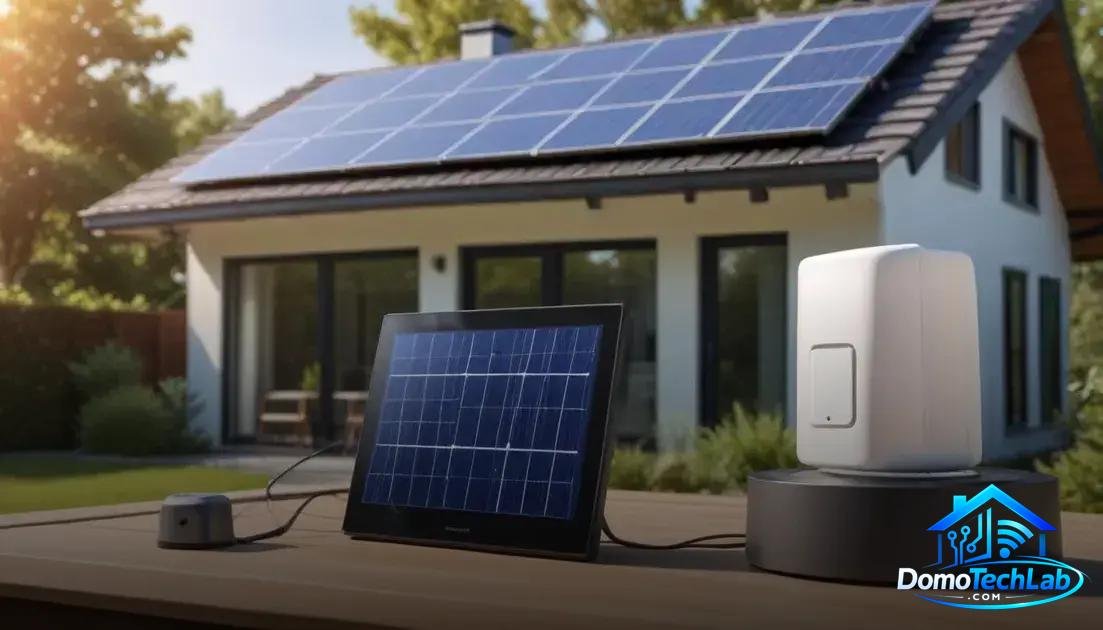
Solar automation plays a key role in the efficient management of energy in a smart home. Integrating solar energy systems not only reduces costs but also optimizes energy use in the home.
Benefits of Solar Automation
By implementing solar automation technologies, users can schedule energy generation and consumption based on solar availability. This makes it possible for devices like smart plugs or bunches to activate automatically during peak solar production hours, maximizing the use of renewable energy.
Energy Control: Monitoring and Optimization
Energy control allows for real-time monitoring of consumption. Systems like Home Assistant can integrate with solar generators and energy panels, providing detailed analysis of energy usage. This helps homeowners identify consumption patterns and establish automations that favor savings.
Implementation of Solar Energy Technologies
To start with solar automation, it is essential to select compatible equipment that integrates easily with the existing system. Devices that allow communication through Zigbee or Matter facilitate this integration, creating an efficient and sustainable energy ecosystem.
Conclusion: Power Your Home with Smart WiFi Shades
Local automation is essential for maximizing efficiency and comfort in your smart home. By choosing devices and protocols that promote local control, you are investing in a safer and more functional home.
At DomoTechLab, we are here to guide you every step of the way towards automation. We encourage you to explore more about the available technologies and make informed decisions that enhance your home experience.
Frequently Asked Questions About Smart WiFi Shades
Are smart shades compatible with different voice assistants?
Yes, many smart shades are compatible with voice assistants like Alexa and Google Home, allowing you to control them with voice commands.
Do smart shades need an Internet connection to work?
It depends on the model. Some shades operate locally via a hub, while others require an Internet connection for setup and remote control.
Can I integrate smart shades into my existing network?
Yes, many models are designed to easily integrate into existing smart home networks, using either Wi-Fi or Zigbee.
What should I do if my smart shades have connectivity issues?
First, check your network signal and ensure that the hub or router is functioning properly. Restarting the devices can also resolve temporary issues.
Is it possible to control smart shades automatically based on sunlight?
Yes, with the right automation, you can schedule shades to open or close based on sunlight levels, optimizing energy use.
What is the battery life like for smart shades?
The lifespan varies based on usage and battery type. Generally, batteries can last between 6 to 12 months, depending on how frequently they are used and the features of the model.