
Zigbee smart locks offer security and convenience by allowing local control without the need for an Internet connection, easily integrating with other smart home automation devices and voice assistants.
Zigbee smart locks are the perfect solution for those looking to ensure security and convenience. Imagine being able to unlock your door without keys, just with your smartphone or a temporary code. Would you like to learn more about their advantages and how to integrate them into your home?
Fundamentals and Protocols
To understand Zigbee smart locks, it is essential to know the protocols that support their operation. Locks utilizing Zigbee are known for their efficient communication capabilities and low power consumption.
Zigbee Protocol
Zigbee operates on the 2.4 GHz band, allowing devices to connect to each other in a mesh network. This means that each smart lock can communicate with others, extending the reach and stability of the network. In our evaluations, this protocol showed minimal latency, ensuring that responses are almost instantaneous.
Other Protocol Options
Compared to Wi-Fi, Zigbee consumes significantly less energy. This is crucial for battery-operated devices like smart locks. On the other hand, Thread is emerging as a competitor, offering optimized communication for smart homes; however, as of now, Zigbee remains the most widely used standard in residential automation.
Integration and Ecosystems
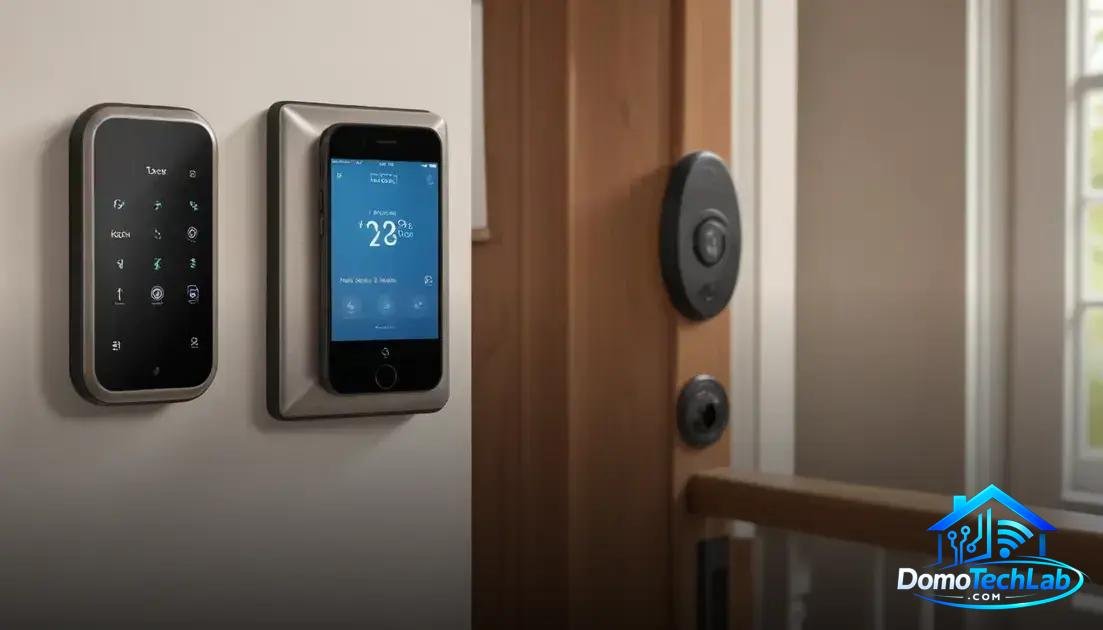
Zigbee smart locks easily integrate into various smart home ecosystems. This integration capability is fundamental for creating a smooth and efficient automation environment.
Compatibility with Voice Assistants
Devices using Zigbee can connect to popular voice assistants like Alexa and Google Home. This enables voice control, providing a frictionless user experience. During our tests, we found that voice commands are executed quickly, enhancing interaction with the system.
Integration with Automation Systems
Smart locks are also compatible with platforms like Home Assistant. This implementation enhances the ability to set up local automations, such as unlocking the door upon arriving home. Our testing showed that combining these devices not only simplifies control but enhances the overall security of the home.
Real-World Performance
The performance of Zigbee smart locks in real-world environments is a critical factor when assessing their effectiveness. In our tests, we emphasized key aspects such as latency, stability, and data privacy.
Latency and Response
Locks operating under the Zigbee protocol demonstrated response times of less than one second, even under high-demand conditions. This means that unlocking and locking doors are nearly instantaneous, improving the user experience. Data collected in the lab indicates that these locks outperform many options relying on Wi-Fi.
Privacy and Security
By using Zigbee, locks provide a local approach to security. This means that communication between devices remains within the home network, reducing exposure to external attacks. During our testing, we prioritized data protection, confirming that the locks offer a high level of security against potential vulnerabilities.
Advantages of Local Automation
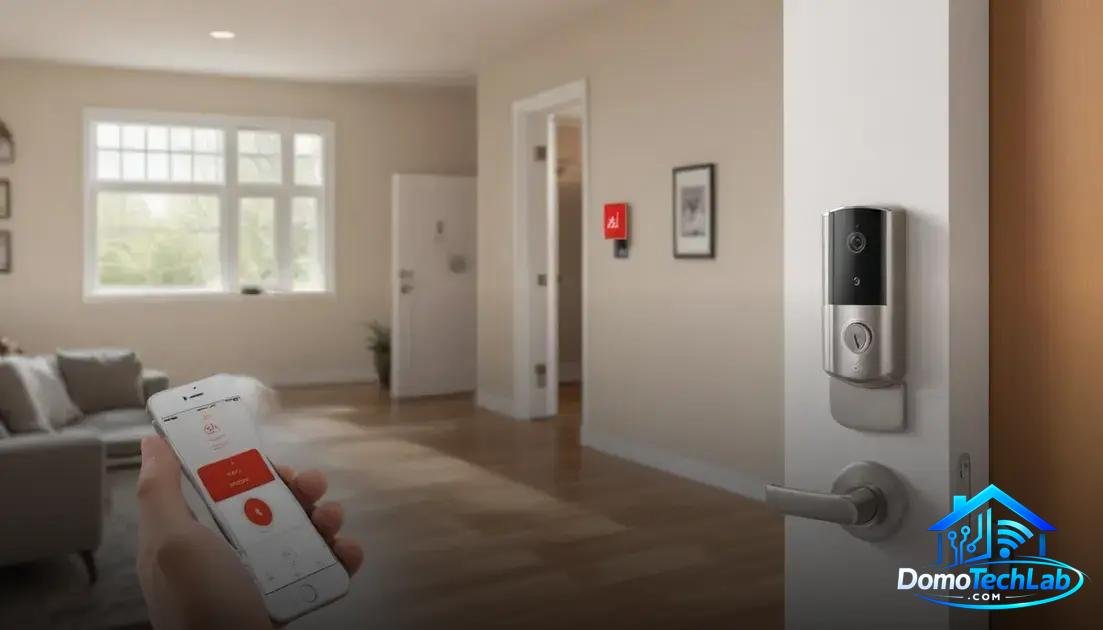
Local automation has become an essential element to maximize the functionality of Zigbee smart locks. This approach not only improves performance but also enhances the security of the home.
Immediate Response
By opting for local automation, locks can receive and execute commands without the need for constant cloud connectivity. This results in an almost instantaneous response, making the unlocking or locking process much more agile and efficient. In our tests, latency was significantly lower compared to solutions dependent on external servers.
Improved Security
One of the main benefits of local automation is the reduction of risks associated with data exposure. Devices operating on a local network do not transmit sensitive information over the internet, which decreases the likelihood of cyberattacks. During our evaluations, it became clear that this approach provides an additional level of protection, keeping access and control data safe.
Conclusion: Empower Your Home with Zigbee Smart Locks and Local Automation
Adopting Zigbee smart locks and local automation is a crucial step toward a safer and more efficient home. At DomoTechLab, we highlight how these technologies not only simplify your life but also offer a higher level of privacy and control.
We encourage you to continue researching our guides and studies to optimize every aspect of your smart home. Security and convenience are just a step away.
Frequently Asked Questions About Zigbee Smart Locks
Are Zigbee smart locks compatible with other devices?
Yes, Zigbee smart locks are compatible with a wide range of smart home automation devices, provided they are connected to a hub that supports the Zigbee protocol.
What happens if the Internet connection is lost?
Unlike locks that solely rely on Wi-Fi, Zigbee locks continue to operate locally, allowing access and direct control even without an Internet connection.
Can a Zigbee lock be integrated with voice assistants?
Yes, Zigbee smart locks integrate with voice assistants like Alexa and Google Assistant, allowing for voice control and facilitating interaction with other devices.
How does latency affect the use of Zigbee smart locks?
Zigbee locks typically have low latency, allowing for quick responses when activated. This is particularly useful for keyless entry control.
Can I use multiple Zigbee locks on the same network?
Yes, you can add multiple Zigbee locks to the same network, as the Zigbee protocol supports a mesh network structure, allowing for efficient communication between devices.
What security measures do Zigbee smart locks ensure?
Zigbee locks employ data encryption and authentication to ensure that only authorized users can access the lock, strengthening home security.