
The comparison between Amazon Alexa and Google Home reveals that the choice of the right platform depends on device compatibility, the importance of local automation, and individual user needs to achieve an efficient and secure smart home.
From voice commands to automation, Amazon Alexa vs Google Home are two of the most popular options on the market. But which one better suits your needs? Let’s explore their features and differences.
Fundamentals and Protocols
Fundamentals and protocols are essential to establishing an efficient smart home ecosystem. Protocols like Zigbee, Thread, and Wi-Fi offer different advantages. By having a good understanding of these, you can choose devices that best integrate and work together.
Zigbee and Its Robustness
Zigbee is known for its ability to create mesh networks, allowing devices to communicate with each other even if one of them fails. This provides a level of reliability that is ideal for large homes where the signal may weaken.
Thread: The Future of Connectivity
Thread is emerging as a strong competitor thanks to its low power consumption and ability to connect multiple devices without the need for a central hub. This facilitates the creation of a simplified and efficient ecosystem.
Wi-Fi and Its Accessibility
The use of Wi-Fi provides the advantage of easy integration with existing devices. However, it can be highly dependent on router capacity, which may limit performance in a home with many connected devices.
Integration and Ecosystems
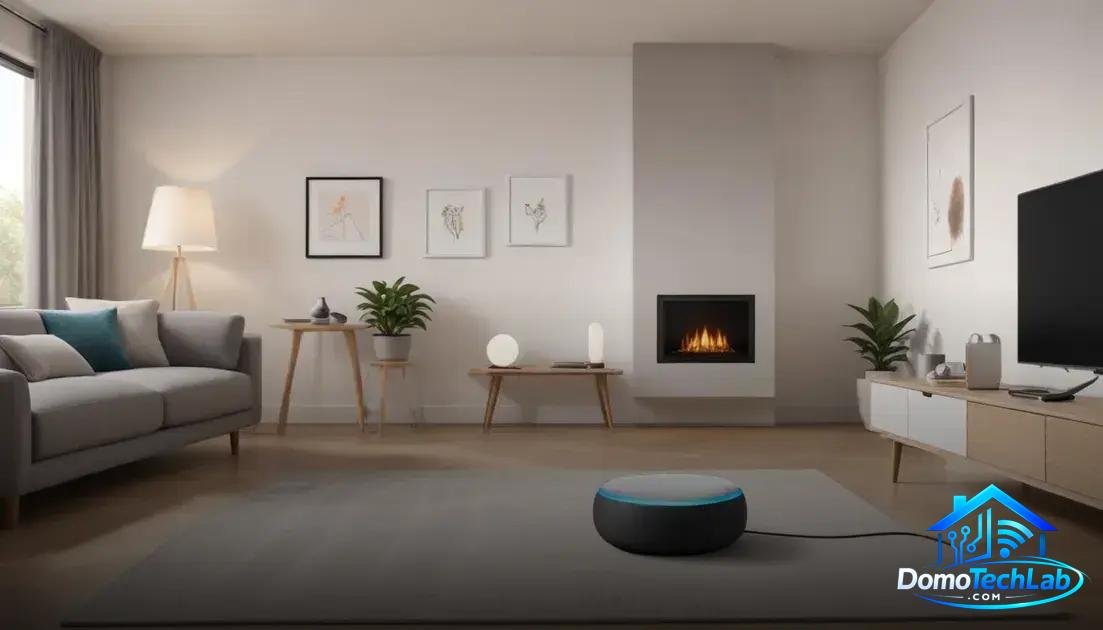
The integration of devices in a smart home ecosystem is key to achieving seamless automation. Using platforms like Amazon Alexa or Google Home allows you to manage all your devices from a single interface.
Amazon Alexa: A Versatile Ally
Amazon Alexa offers compatibility with a wide range of devices, from smart plugs to light bulbs and security systems. This platform benefits from an extensive skill library that allows users to customize their experience.
Google Home: The Power of Search
Google Home, by leveraging Google’s powerful infrastructure, allows for seamless integration with third-party services. This makes it easy to access your smart home via voice commands, making interaction intuitive and natural.
Interoperability with Matter
The Matter standard promotes interoperability between different brands and platforms. This means you can connect devices that were previously limited to a specific ecosystem, creating a more cohesive and flexible home.
Real-World Performance
The performance of a smart home system in real-world situations can vary significantly depending on the technology used. Evaluating factors such as latency, stability, and privacy is crucial for understanding how your smart home will behave.
Latency in Local Automation
Lab testing shows that latency becomes a critical factor when we rely on the cloud. Implementing devices that function with local control, such as those using Zigbee, reduces this latency significantly, resulting in faster responses to commands.
Data Privacy
With growing concerns about data privacy, it’s vital to choose devices that prioritize security. Solutions that operate locally, away from external servers, ensure that sensitive information stays in your home and is not exposed to online risks.
Long-Term Stability
The stability of a smart home depends on the quality of devices and their interoperability. A well-designed ecosystem, whether based on Zigbee or Thread, ensures consistent performance and reduces the chances of disconnections or communication failures between devices.
Final Considerations
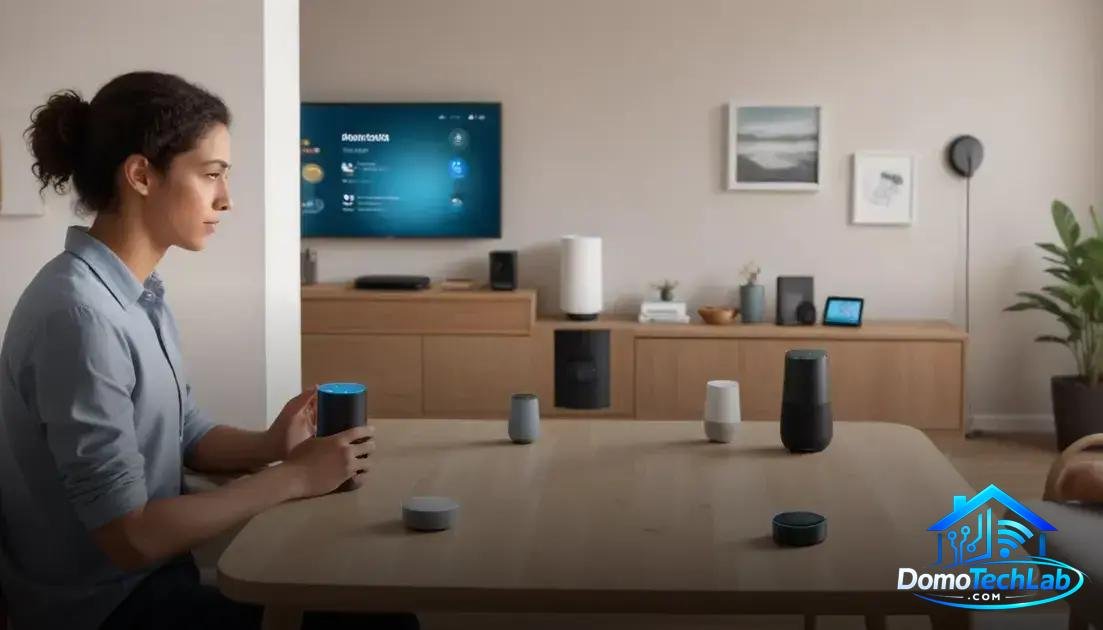
The final considerations when choosing between Amazon Alexa and Google Home are fundamental for optimizing your smart home. Evaluating how each platform handles integration, performance, and privacy will help you make an informed decision.
Assessing Needs
Before deciding, identify your needs and priorities. Some users may prefer the variety of devices compatible with Alexa, while others might lean towards the superior search technology and assistance of Google Home.
Scalability and Future of the Ecosystem
As the smart home market evolves, standards like Matter will be crucial for scalability. Make sure to choose devices and platforms that adapt to future technologies and are compatible with multiple protocols like Zigbee and Thread.
The Importance of Community and Technical Support
An active community and good technical support can make a difference in your experience. Research the platforms and rely on trusted peers and online resources to help resolve issues.
Conclusion: Amazon Alexa vs Google Home and Your Smart Home
The decision between Amazon Alexa and Google Home not only affects how you interact with your home but also the effectiveness of local automation. At DomoTechLab, we emphasize the importance of choosing devices that prioritize security and speed through the use of technologies like Zigbee and Thread.
We encourage you to dive deeper into understanding protocols and ecosystems to create a space that works for you. Local automation is not just a trend: it is the smartest way to ensure a home that adapts to your needs and provides peace of mind.
Frequently Asked Questions about Amazon Alexa vs Google Home
Are all devices compatible with Amazon Alexa and Google Home?
Not all devices are compatible with both platforms. It is crucial to check compatibility in the product specifications before purchasing.
How does latency affect the automation of my smart home?
Latency can cause commands to take time to execute. Using local automation devices, like those operating with Zigbee, can significantly reduce this issue.
Which ecosystem is more secure for my data privacy?
Both platforms offer security features, but local automation minimizes cloud dependency, helping to protect your data from unauthorized access.
Can I integrate devices from different brands into my system?
Yes, as long as they are compatible with the same protocol, such as Matter, which allows interoperability between different brands and products.
What challenges might I face when setting up a smart home?
Common challenges include device compatibility, network setup, and software update management. It is advisable to read specific guides and create an integration plan.
Is it possible to use both systems (Alexa and Google Home) in the same home?
Yes, it is possible. However, managing different assistants and devices may be tricky, so it is advisable to select a primary ecosystem and add compatible devices from the other platform carefully.