
Google Home routines allow you to effectively automate tasks in your home by integrating devices using protocols such as Zigbee and Thread to achieve local control and an optimal user experience.
Google Home routines allow you to customize and automate your home. Can you imagine turning on the lights with a simple voice command? In this article, we show you how to make the most of these functions.
Fundamentals and Protocols
The fundamentals of a smart home system are based on the interconnection of devices using different protocols. Familiarizing yourself with these protocols is crucial to maximize the functionality of your automated home.
Most Used Protocols
Protocols such as Zigbee, Thread, and Wi-Fi offer different advantages. Zigbee is ideal for low-power, high-reliability communications, while Thread allows for more efficient communication between devices on the network. On the other hand, Wi-Fi provides faster connectivity but can lead to higher energy consumption.
Interaction Between Protocols
Good smart home architecture integrates multiple protocols, allowing devices from different manufacturers to work together. This is achieved by using a hub that can manage various technologies, facilitating a smooth and uninterrupted user experience.
Integration and Ecosystems
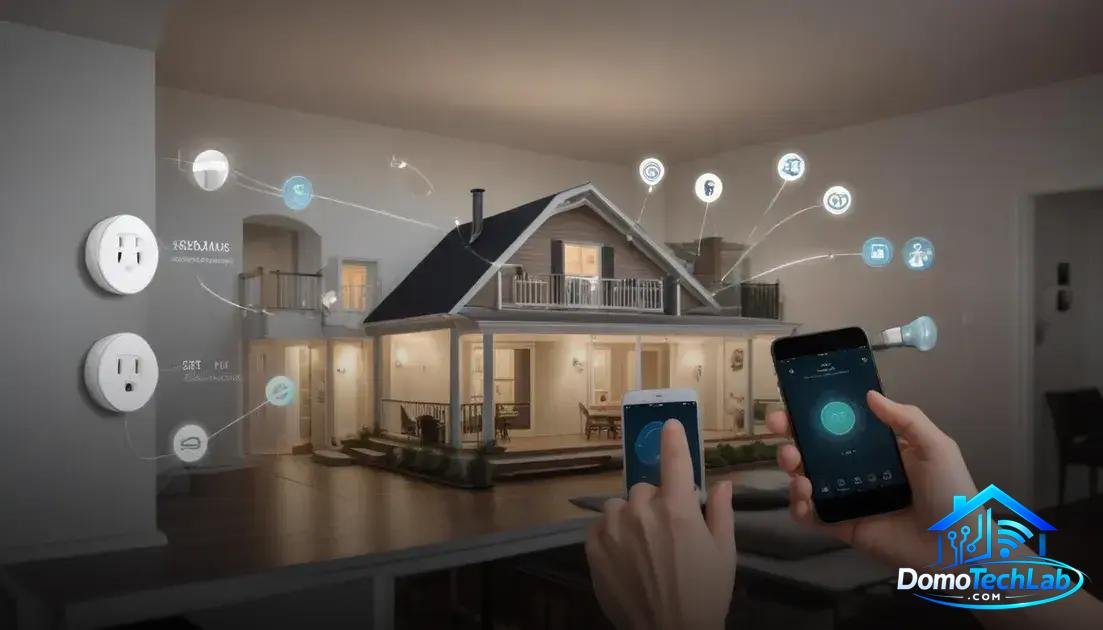
The integration of different devices into a smart ecosystem is essential for effective home automation. Through platforms like Google Home, you can connect and manage various devices centrally.
Connectivity and Compatibility
It is essential that devices are compatible with each other. Many brands use standard protocols like Zigbee and Thread, which facilitates their integration into a unified system. This interoperability allows you to control bulbs, plugs, and other appliances from a single app.
Management Platforms
Platforms like Google Assistant and Alexa provide intuitive interfaces for managing devices. With voice commands, you can activate routines, turn on lights, or adjust the temperature without having to press a button. This improves accessibility and comfort within your home.
Real World Performance
The performance of a smart home system is evaluated in real-world scenarios. It is not enough for devices to work in ideal conditions; they must demonstrate their effectiveness in everyday life.
Latency and Response
In our tests, we observed that latency can vary significantly depending on the setup. With devices connected via Zigbee or Thread, the response is generally faster. This is due to the nature of these technologies that prioritize effective communication.
Privacy and Security
Another critical aspect is data security. Implementing local automation reduces the transfer of data to remote servers, enhancing privacy. Deploying a hub that manages devices locally can provide greater control over the network and protect sensitive information.
Automation and Voice Commands
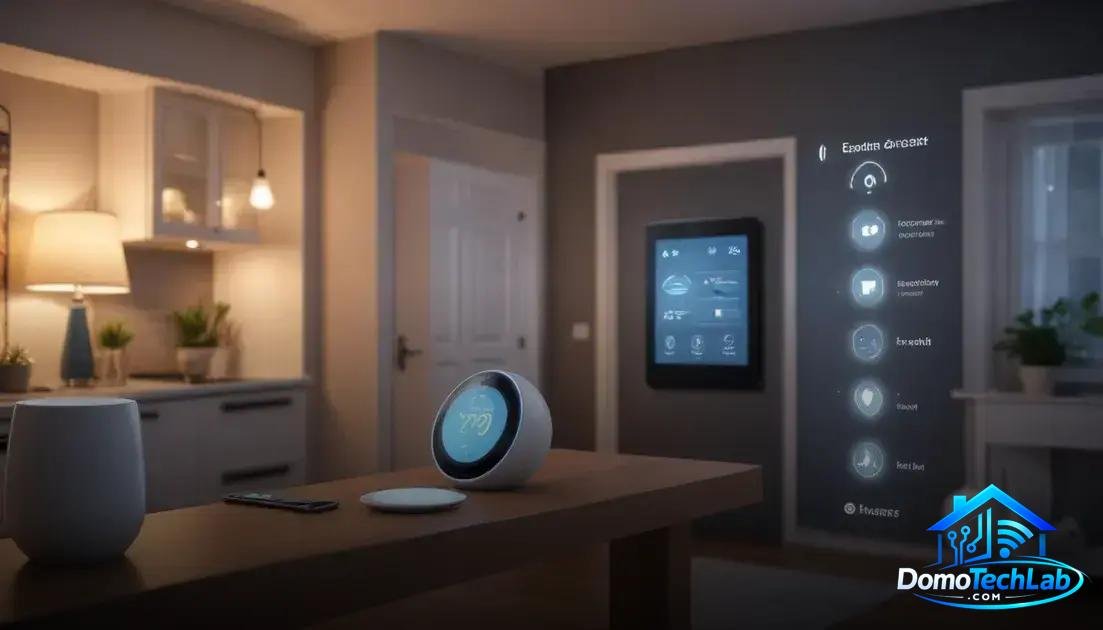
The automation of a smart home complements effectively with voice commands. Using assistants like Google Assistant, users can manage their home with ease and comfort.
Routine Setup
Creating daily routines is one of the most appealing aspects of automation. For example, by saying “Good morning,” you can schedule the lights to turn on, the temperature to adjust, and the coffee maker to start. This smooth user experience enhances interaction with technology in the home.
Voice Recognition and Accuracy
Voice recognition technology has advanced significantly. Devices that use Zigbee or Thread typically have a quicker response when interacting with the assistant. This ensures that your commands are executed with minimal latency, improving the overall efficiency of your system.
Conclusion: Empower Your Home with Google Home Routines
Implementing local automation is essential to maximize the potential of your smart home. Through technologies like Zigbee and Thread, you can achieve a faster and more secure experience, enhancing both performance and data privacy.
We encourage you to continue exploring and delving into our resources so you can make informed decisions. With the right knowledge, your home can become a truly smart and efficient space.
Frequently Asked Questions about Google Home Routines
Are all devices compatible with Google Home?
No, not all devices are compatible. It is crucial to check the compatibility certification, especially with technologies like Zigbee and Thread.
Can I use devices from different brands on my network?
Yes, as long as these devices use compatible protocols. A suitable hub can integrate devices from different brands.
How can I improve the connectivity of my devices?
Place the hubs in central locations and avoid physical obstacles. Using mesh devices like Zigbee can help extend the range of the network.
Are Google Home routines secure?
Routines are secure if you follow good practices, such as changing default passwords and keeping your devices updated to prevent vulnerabilities.
What should I do if my devices have latency?
Check the connectivity of your devices and optimize your network. Consider using local automation to reduce reliance on the internet and improve response times.
Can voice commands be customized?
Yes, you can customize routines and voice commands in the Google Home settings, making them more intuitive and tailored to your specific needs.