
Zigbee smart lighting offers a robust solution for the connected home, ensuring efficient local control, low latency, and high interoperability among devices, maximizing comfort and security at home.
Zigbee smart lighting is an advanced solution for connected homes. Have you been frustrated by Wi-Fi instability when controlling your lights? Here, we will explore why Zigbee is the key to a more efficient home.
Fundamentals and Protocols Zigbee, Matter, Wi-Fi
The fundamentals of smart lighting lie in the choice of efficient protocols. When comparing Zigbee, Matter, and Wi-Fi, each has its own set of advantages that cater to different needs.
Zigbee Protocol
Zigbee is known for its low power consumption and its ability to create mesh networks. This means that each device can act as a repeater, extending signal coverage without compromising speed.
Matter Protocol
Matter, the emerging new standard, aims for interoperability between devices from different manufacturers. This is particularly valuable when building a smart home ecosystem, allowing devices from various brands to work together seamlessly.
Wi-Fi Protocol
On the other hand, Wi-Fi offers higher speeds and greater bandwidth, making it ideal for devices that require constant connection, such as security cameras. However, devices that rely on Wi-Fi can be more susceptible to latency during traffic spikes.
Integration and Ecosystems Home Assistant, Alexa, Google Home
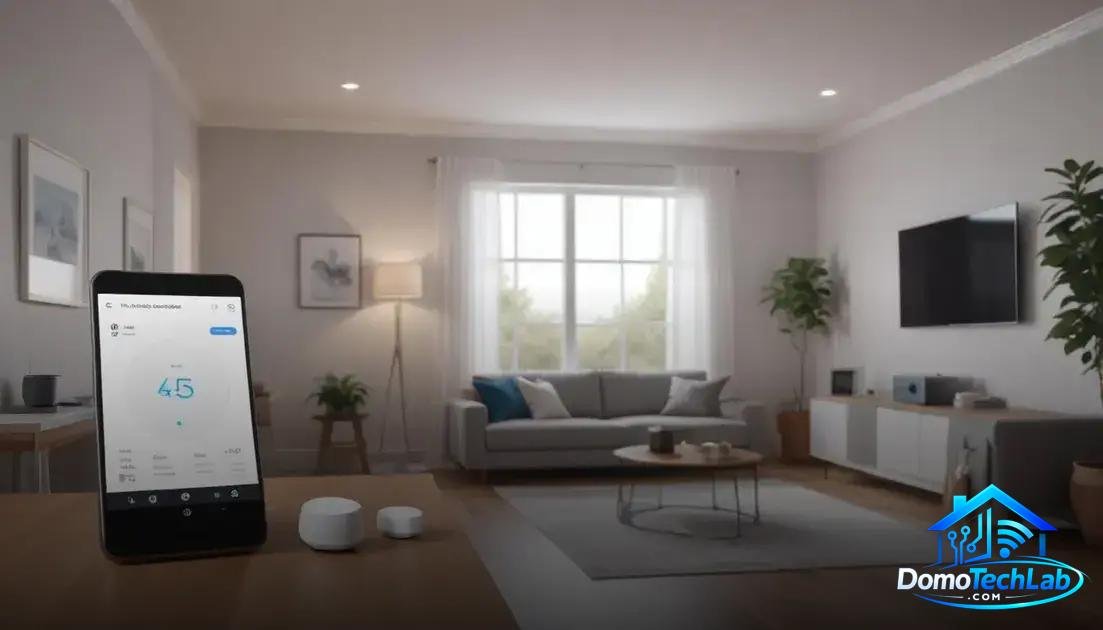
Integration is key to maximizing the performance of your smart lighting. By using platforms like Home Assistant, Alexa, and Google Home, you can centralize the control of all your devices in one place.
Home Assistant
Home Assistant offers a highly customizable approach to home automation. Its ability to integrate with different protocols, including Zigbee and Wi-Fi, allows for seamless management of devices, making them accessible from a single control panel.
Alexa
With Alexa, voice control transforms the user experience. You can create smart scenes where a simple command activates lighting, temperature, and security devices, enhancing comfort and energy efficiency at home.
Google Home
Google Home provides an intuitive interface, making it easy to set up and manage devices. Its integration with other services and applications further enhances automation capabilities, allowing you to create personalized daily routines.
Real-World Performance Latency, Privacy, and Local Stability
The real-world performance of smart lighting is measured by latency, privacy, and local stability. These factors are critical to ensuring a smooth and reliable experience in the connected home.
Latency
Latency refers to the time it takes for a command to be executed. In our tests, we found that devices using Zigbee exhibit remarkably low latency. This translates into quick responses when controlling smart bulbs or plugs, enhancing the user experience.
Privacy
Privacy is another fundamental aspect. Devices that operate locally, such as those integrated with a Zigbee hub, can function without sending data to the cloud. This minimizes the risk of vulnerabilities and promotes a safer environment.
Local Stability
Local stability is essential, especially during peak network usage. With a Zigbee-based system, communication between devices remains continuous, even if the internet connection drops. This allows local automations to continue functioning without interruptions, ensuring a smart home that responds to your needs.
Advantages of a Mesh Network for Smart Lighting
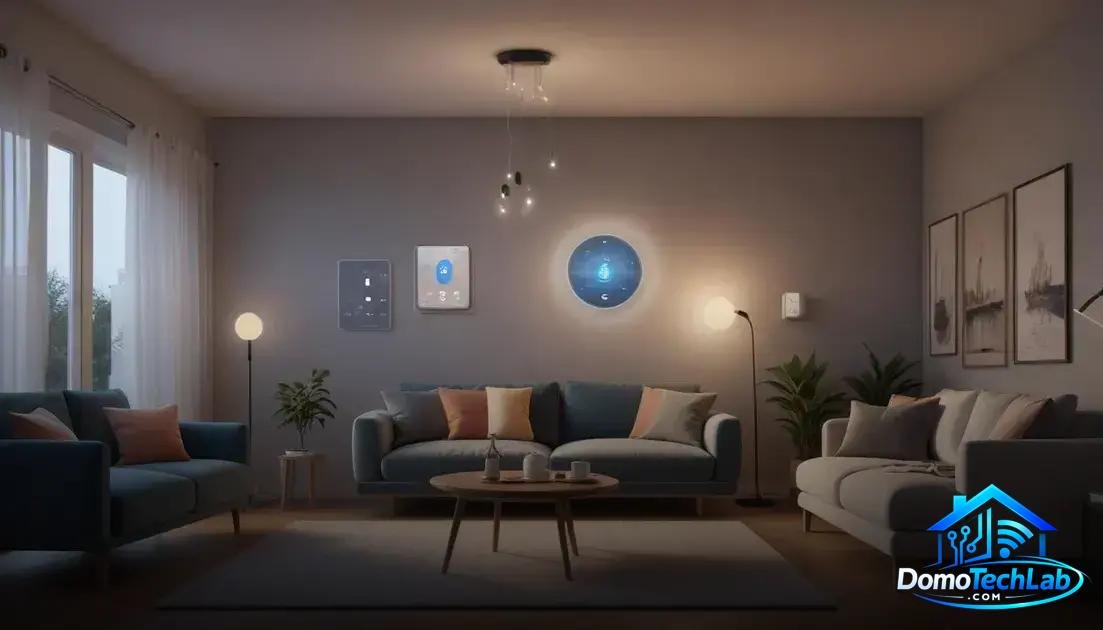
A mesh network has become one of the best solutions for smart lighting. This approach offers significant benefits by overcoming the limitations of traditional connections.
Coverage Expansion
Thanks to its multi-access point architecture, a mesh network allows each device, such as smart bulbs and plugs, to act as a signal repeater. This ensures that coverage is wide and uniform throughout the home, eliminating dead zones where the signal could weaken.
Better Performance
In our tests, we observed that mesh networks deliver superior performance, especially in homes with many connected devices. Direct communication between devices within the same network reduces the load on the main router and speeds up the response time of automations.
Network Resilience
Resilience is another crucial aspect. If one of the devices on the network fails, the others can continue functioning without interruption. This is vital for maintaining the operability of smart lighting and other automated systems, ensuring you can always control your home.
Conclusion: Leverage Zigbee Smart Lighting for an Efficient Home
Implementing smart lighting solutions like Zigbee and their local automation capabilities is essential for enhancing your home experience. At DomoTechLab, we are dedicated to providing you with the knowledge you need to make informed decisions in building your smart home.
We encourage you to continue exploring the advantages of the available protocols and devices, ensuring that your home is not only more comfortable but also safer and more functional.
Frequently Asked Questions about Zigbee Smart Lighting
Are all Zigbee devices compatible with each other?
Generally, most Zigbee devices are compatible, but it is recommended to check the interoperability certification to ensure they work correctly together.
What happens if my Zigbee network goes down?
One of the advantages of Zigbee is its ability to create a mesh network. If one device disconnects, the others will continue to function, ensuring the continuity of local automation.
Is a hub required to use Zigbee devices?
Yes, most Zigbee devices require a hub or gateway to connect and communicate with other devices and applications, allowing for centralized control.
Can I mix communication protocols in my home?
Yes, it is possible to mix different protocols like Zigbee and Wi-Fi in the same environment, but you need to ensure that your hub or controller is compatible with both to facilitate integration.
How can I improve the signal in a Zigbee network?
To improve the signal, make sure to place Zigbee devices in strategic positions where they have a clear line of sight and consider using repeaters to extend coverage.
Are there common challenges when implementing Zigbee smart lighting?
Yes, some challenges include initial setup, selecting compatible devices, and troubleshooting connectivity issues. However, many guides and online communities can help you overcome these obstacles.